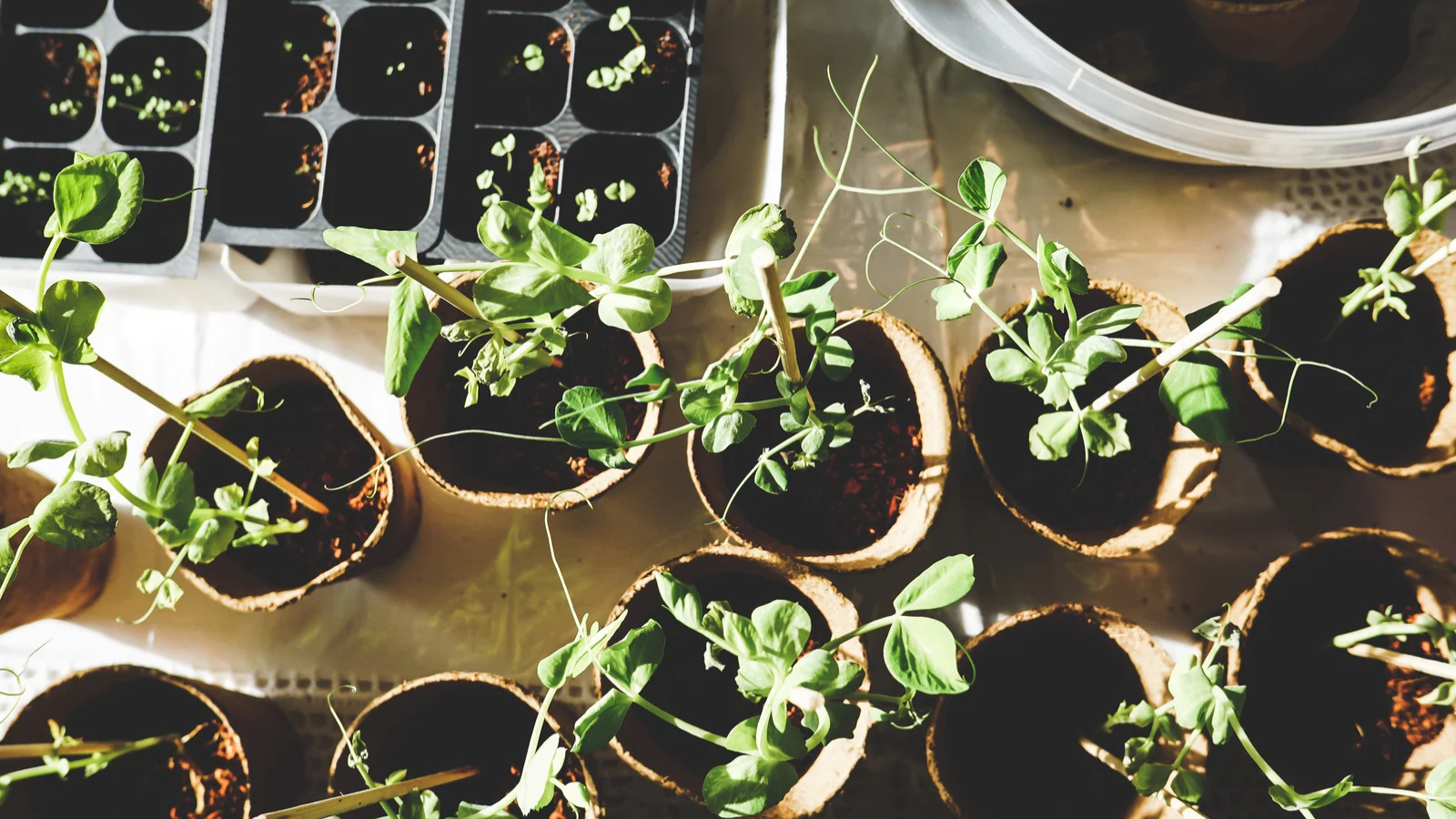
Most gardeners know plants need nitrogen, phosphorus, and potassium. Far fewer know that a plant spends a surprising amount of its own energy turning that nitrogen into something it can actually build with — amino acids. Feed a plant amino acids directly and you skip a step it would otherwise pay for out of pocket.
That's the whole idea behind amino acid fertilizers and biostimulants. This guide covers what amino acids do inside a plant, which ones matter most, how to tell a good product from a marketing label, and exactly how and when to apply them so you actually see a difference.
What amino acids actually are
An amino acid is a small molecule with a nitrogen-containing amino group on one end and an organic acid group on the other. String them together and you get a protein. There are about 20 that plants use to build proteins, and every enzyme in your tomato plant — every reaction that moves a nutrient, splits a sugar, or builds a cell wall — is a protein assembled from those 20 pieces.
So when a plant runs short on amino acids, it isn't a vague "nutrition" problem. It's a manufacturing shortage. Enzymes don't get built, chlorophyll production slows, new growth stalls, and everything downstream gets slower.
Why "L-amino acid" is the phrase to look for
Amino acids come in two mirror-image forms, L and D. Biology runs almost entirely on the L-form — it's the only version a plant's protein-building machinery recognizes. D-forms are, at best, dead weight the plant has to deal with, and some research suggests high levels are actively counterproductive.
This matters because the manufacturing method decides which you get. It's the single most useful thing to check on a label, and we'll come back to it below.
Wait — don't plants make their own amino acids?
They do. Plants pull nitrogen out of the soil as nitrate or ammonium, then combine it with carbon skeletons from photosynthesis to build amino acids from scratch. It works, and it's how plants have always done it.
The catch is the bill. Nitrate has to be reduced to ammonium before the plant can use it, and that reduction consumes a large share of the reducing power and ATP the plant generated through photosynthesis. Every unit of nitrogen the plant converts itself is energy it didn't spend on roots, leaves, flowers, or fruit.
Under ideal conditions — warm soil, strong light, plenty of water, no pest pressure — a healthy plant covers that cost without complaint. The problem is that gardens rarely stay ideal. Amino acid production falls behind exactly when:
- Soil is cold in early spring, slowing both root uptake and enzyme activity
- Light is limited by cloud cover, short days, shade, or indoor growing
- Heat or drought closes stomata, cutting photosynthesis right when the plant needs energy most
- Roots are damaged or disturbed — transplanting, repotting, cultivation
- Fruit load is heavy and the plant is running a metabolic deficit to fill it
- Tissue was lost to hail, wind, pests, or disease and needs rebuilding fast
Those are the windows where applied amino acids do the most work. Roots have dedicated amino acid transporters and can take these molecules up intact, and small amino acids also move into leaf tissue through a foliar spray. Either way, the plant gets a finished component instead of raw material plus an energy bill.
Six things amino acids do in your garden
1. They deliver nitrogen in a form that's already halfway to useful
Amino acid nitrogen arrives pre-assembled into organic molecules. There's no nitrate reduction step to pay for, and unlike a soluble synthetic nitrogen salt, it isn't sitting in the soil water waiting to leach past the root zone with the next heavy rain.
2. They chelate micronutrients
This is the underrated one. Iron, zinc, manganese, and copper are notoriously hard for plants to absorb — especially in alkaline soil, where iron in particular locks up and leaves go pale between the veins. Amino acids wrap around those metal ions and hold them in a form roots and leaves take up readily. Glycine, the smallest amino acid, is used commercially for exactly this reason. If you've been fighting a stubborn micronutrient deficiency despite having the nutrient in your soil, availability — not quantity — is usually the problem.
3. They power stress recovery
Proline is the classic example. Plants accumulate it under drought, salt, and cold stress, where it works as an osmolyte — helping cells hold water and protecting proteins and membranes from damage. Cysteine and glutamic acid feed into glutathione production, a core part of a plant's antioxidant defense against the oxidative damage that heat and drought create. Supplying these before and after a stress event gives the plant a head start instead of making it build its defenses from zero mid-crisis.
4. They feed chlorophyll production
Glutamic acid is the starting point for the chlorophyll molecule in plants, as well as the main entry point for nitrogen into organic form. More available glutamic acid means a smoother chlorophyll supply chain — which shows up as deeper green foliage and better photosynthetic capacity, not just cosmetically greener leaves.
5. They're precursors to plant hormones
Tryptophan is the precursor to auxin, the hormone that drives root initiation and cell elongation. Methionine feeds the pathway that produces ethylene, which governs ripening. Arginine is a precursor to polyamines, involved in cell division and stress response. You aren't dosing hormones — you're making sure the plant has the raw materials to produce its own when it decides to.
6. They feed soil life
Applied as a drench, amino acids are an easily digestible carbon and nitrogen source for beneficial bacteria and fungi. A more active microbial population means faster breakdown of organic matter and better nutrient cycling — which is why amino acids pair naturally with humic substances and compost-based inputs. Our and both work well alongside an amino acid program for this reason.
Which amino acids matter most?
"Which amino acid is best for plant growth?" is one of the most common questions on this topic, and the honest answer is that a broad-spectrum blend beats any single one — proteins need all the pieces. But some do specific, well-documented jobs worth knowing:
| Amino acid | What it does | When it matters most |
|---|---|---|
| Glycine | Smallest and most mobile; excellent natural chelator of iron, zinc, manganese, copper | Micronutrient deficiency, alkaline soil, foliar feeding |
| Glutamic acid | Main entry point for nitrogen into organic form; precursor to chlorophyll | Pale foliage, rapid vegetative growth, greening up |
| Proline | Osmolyte that protects cells under water and temperature stress; unusually concentrated in pollen | Heat waves, drought, cold snaps, flowering and fruit set |
| Alanine | Abundant in plant protein hydrolysates; involved in stress metabolism | General stress support |
| Tryptophan | Precursor to auxin, the root-and-shoot growth hormone | Transplanting, cuttings, root establishment |
| Methionine | Sulfur-containing; feeds the ethylene pathway that governs ripening | Fruit maturation |
| Cysteine | Sulfur-containing; component of glutathione, a key antioxidant | Oxidative stress from heat, drought, pollution |
| Arginine | Very nitrogen-dense; precursor to polyamines | Nitrogen storage, cell division, stress recovery |
A quality product will list a full profile rather than one headline ingredient. Both of our amino acid formulas supply 18 L-amino acids, which covers the protein-building set plus the specialists above.
How amino acid products are made — and why it changes what you get
Every amino acid fertilizer starts with protein that gets broken down into individual amino acids. How that breakdown happens is the difference between a good product and a mediocre one.
Enzymatic vs. chemical hydrolysis
Enzymatic hydrolysis uses enzymes at moderate temperatures to cut proteins apart — essentially the same process a digestive system uses. It preserves the L-form and keeps sensitive amino acids like tryptophan intact.
Chemical (acid) hydrolysis uses strong acid and heat. It's faster and cheaper, but it converts a portion of the L-amino acids into unusable D-forms and destroys tryptophan outright. A product can be technically accurate in claiming a high "total amino acid" number while a meaningful share of that total is the form your plants can't use.
If a label advertises L-amino acids specifically, that's a good sign. If it only gives a total amino acid percentage with no mention of form, ask.
Plant-based vs. animal-based sources
Amino acid inputs come from plant proteins, or from animal by-products like feather meal, blood meal, fish hydrolysate, or leather hydrolysate. Fish hydrolysate is a genuinely good amino acid source — cold-processed fish keeps its amino acids and enzymes intact, which is part of why our works as well as it does, and you can read more in our guide to .
Plant-based hydrolysates have two practical advantages: no odor to manage, and no questions about what the source animal was exposed to. Leather hydrolysate in particular has drawn scrutiny over residual chromium from the tanning process. If you're growing food, garden with pets and kids around, or simply want a vegan input, plant protein is the cleaner starting point — and both of the products below are 100% plant-based for exactly that reason.
How to use amino acids for plants
Foliar spray
Spraying is the fastest route in. Small amino acids move into leaf tissue directly, which makes foliar the right choice for a mid-season correction or an acute stress response.
- Spray in early morning or evening, never in midday heat. Cooler temperatures and higher humidity keep the droplets on the leaf longer, and open stomata help uptake.
- Cover both leaf surfaces to the point of light wetting — not runoff.
- On waxy or hard-to-wet foliage, a wetting agent makes a real difference. Our is a natural option that helps sprays spread instead of beading up.
- Skip it if rain is expected within a few hours.
Soil drench and fertigation
A drench feeds roots and soil biology at the same time, and it's the better delivery method for sustained support rather than emergency response. Water it in at the base of the plant, or run it through drip or a hose-end feeder. Cold spring soil is a particularly good time for a drench — root uptake and enzyme activity are both slow, and amino acids give the plant a shortcut.
Timing that pays off most
- At transplant: drench at planting and again a week later. Root damage plus new-root demand is the single best window for amino acids.
- Before predicted heat or drought: apply 24–48 hours ahead. Building stress defenses in advance beats repairing damage afterward.
- At flowering and fruit set: supports pollen quality and the metabolic load of setting fruit.
- After any stress event: hail, wind, pest damage, a missed watering, a cold snap.
- Early spring, in cold soil: supports the first flush of growth before soil biology fully wakes up.
- Year-round for indoor plants and hydroponics, where light is limited and the plant's own production capacity is capped.
What not to do
- Don't treat it as an NPK replacement. Amino acids improve how well your fertilizer program works. They aren't the program. Keep feeding on your normal schedule.
- Don't overdo the nitrogen. Amino acid products carry nitrogen, and too much of it produces soft, floppy, pest-attractive growth at the expense of flowers and fruit.
- Don't tank-mix with strong oxidizers. Hydrogen peroxide, chlorine bleach, and similar products will degrade amino acids. Separate the applications.
- Don't skip a jar test before mixing with an unfamiliar product. Combine a small amount of both in a jar of water and watch for curdling or separation before you commit a full tank.
- Don't expect a visible response in 24 hours from a drench. Foliar shows up faster; soil applications work on a scale of days to a couple of weeks.
Our two amino acid formulas
We make two, and they solve different problems.
is the liquid, all-purpose option — a 100% plant-based concentrate supplying 18 L-amino acids with a balanced NPK of 4-3-3. Because it carries phosphorus and potassium alongside the amino acids, it works as a standalone feed-and-biostimulant for most gardeners. Label rates run roughly 3 oz per gallon of water for trees, shrubs, and ornamentals, 3–4 oz for vegetable gardens, and 4 oz for lawns, applied every one to two weeks through the growing season — weekly for indoor plants and hydroponics.
is the concentrated, nitrogen-forward option: a 100% water-soluble powder made from non-GMO plant protein, 14-0-0, at 80.7% total amino acids — including 16.8% glycine, 11.9% alanine, and 10.96% proline. That's a chelation-heavy, stress-tolerance-heavy profile in a powder that ships light and dilutes far. Roughly a teaspoon per gallon covers general use; 1–3 oz per gallon for containers, and ½–1 oz per gallon for turf per 1,000 sq ft. Choose this one when you want amino acids and nitrogen without adding more phosphorus or potassium to soil that already has plenty — see our if you're not sure which camp you're in.
Two more products in our line are meaningful amino acid sources in their own right: , cold-processed so the amino acids survive, and the , which adds the growth compounds in to that amino acid base.
Application rates above reflect current labels — always check the bottle or bag you have, since formulas get refined over time.
Can you make amino acids for plants at home?
You can, and it's a popular DIY project. The two common methods are fish amino acid (FAA) — oily fish scraps layered with an equal weight of brown sugar or molasses and left to ferment for a few weeks — and fermented plant or eggshell preparations using similar sugar-driven fermentation. Both genuinely produce amino acids.
What they don't produce is a known quantity. Homemade preparations give you no idea of concentration, so dosing is guesswork and burning foliage is easy. Uncontrolled fermentation means no guarantee about L-form retention, an unpredictable microbial population that may include pathogens you'd rather not introduce, and — with fish — a smell that will make you unpopular with neighbors. Fermenting animal protein in an open container also attracts flies, rodents, and raccoons.
If you enjoy the process and you're using it on ornamentals, go for it. For food crops, seedlings, or anything you'd be upset to lose, a hydrolyzed product with a stated amino acid profile is the lower-risk choice.
Frequently asked questions
Do amino acids really help plants grow?
Yes, but be clear on the mechanism. Amino acids aren't a growth stimulant that makes a well-fed, unstressed plant grow faster than its genetics allow. They remove a metabolic bottleneck. The bigger the bottleneck — cold soil, low light, heat stress, transplant shock, heavy fruit load — the more visible the result. On a thriving plant in perfect conditions, the effect is real but subtle.
Which amino acid is best for plant growth?
For raw growth, glutamic acid does the most work — it's the gateway for nitrogen into organic form and the precursor to chlorophyll. Glycine is the best chelator, so it's the pick for micronutrient problems. Proline is the stress specialist. In practice, a broad-spectrum L-amino acid blend outperforms any single one, because protein synthesis requires all of them.
How often should I apply amino acids?
Every one to two weeks during active growth is a reasonable general rhythm, weekly for indoor plants and hydroponics, plus targeted applications around transplanting and predicted stress. Follow your product's label rather than a general rule.
Can I use amino acids with my regular fertilizer?
Yes — that's the intended use. Amino acids improve nutrient uptake, so they make your existing program more efficient. Jar-test any unfamiliar combination first, and keep them away from strong oxidizers like hydrogen peroxide.
Are amino acid fertilizers safe for vegetables and herbs?
Plant-based amino acid products are non-toxic and safe for edible crops. Rinse produce before eating as you would with any garden input, and observe the label's guidance on applications close to harvest.
Will amino acids fix yellow leaves?
Sometimes — and it depends on the cause. If yellowing comes from an iron or manganese deficiency caused by nutrients being locked up in alkaline soil, an amino acid chelate can genuinely correct it, because it makes the nutrient available rather than adding more of it. If the cause is overwatering, root rot, or plain nitrogen deficiency, amino acids alone won't solve it. Our post on walks through diagnosing which one you're looking at.
The bottom line
Amino acids sit in an underused spot in most gardeners' routines: not a fertilizer, not a hormone, but the component your plant would otherwise spend real energy manufacturing. Supply them and you free that energy up for the parts of the plant you actually care about — and you get natural micronutrient chelation and better stress tolerance as part of the deal.
Start with the stress windows. Drench at transplant, spray ahead of a heat wave, feed through flowering and fruit set. That's where the difference is easiest to see — and once you've seen it, working amino acids into the regular rotation is an easy call.
Ready to try them? is the simplest place to start for most gardens, and is the concentrate for growers who want the most amino acids per dollar. Both are 100% plant-based and backed by GS Plant Foods — trusted by growers since 2008.
Share:
GS Plant Foods vs. Neptune's Harvest: Fish Fertilizer Compared