

Plants are more than just greenery; each species has its own personality, preferences, and quirks. Just as humans have different diets and tastes, plants respond differently to nutrients in their soil.
Understanding these “plant personalities” can transform the way you care for your garden or indoor collection, leading to stronger growth, vibrant foliage, and abundant flowers or fruits.
The Nitrogen Lovers: Energetic and Fast-Growing
Some plants are true nitrogen lovers. Fast-growing leafy vegetables, grasses, and vigorous houseplants like pothos or philodendrons thrive when nitrogen is readily available.

Nitrogen fuels rapid growth and lush green leaves, giving these plants an energetic and expansive presence. Overfeeding them with nitrogen, however, can result in overly lush leaves with weak stems, so it’s important to balance their needs with careful observation.
These plants are the extroverts of the plant world, always stretching toward light and showing vitality in every shoot.
Flowering Plants: Ambitious and Showy
Flowering plants often have very different priorities.
Roses, orchids, tomatoes, and other bloom-heavy species need nutrients that support reproduction rather than just leaf growth.
Phosphorus is critical for strong root development and stimulating flowers or fruit. Providing too much nitrogen during their blooming phase can actually reduce the number and quality of flowers, making timing and balance essential.

Flowering plants are ambitious and showy—they reward patience and precise care with bursts of beauty that feel almost theatrical.
Root Vegetables and Bulbs: Quiet Strength
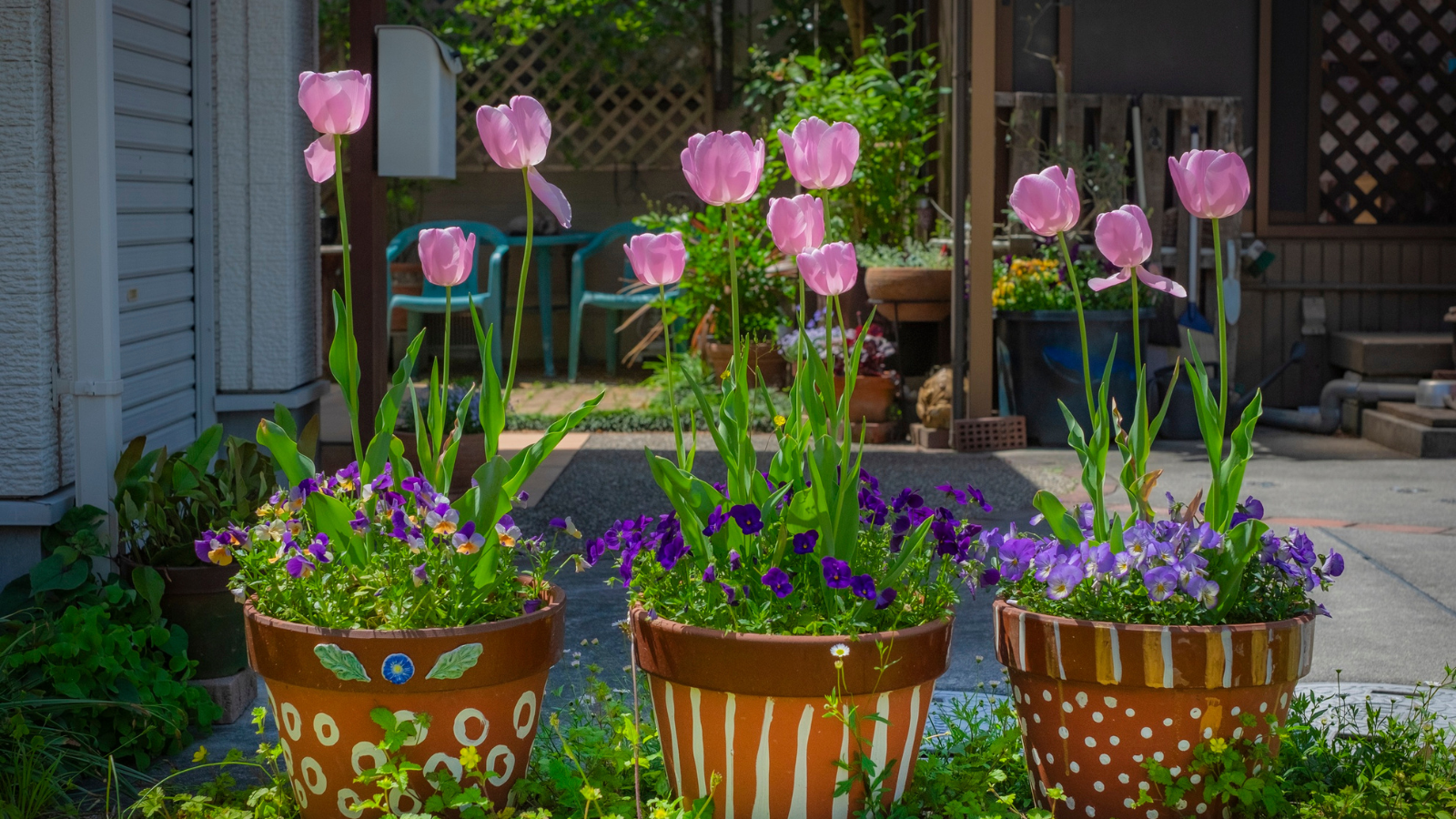
Root vegetables and bulbs, including carrots, beets, and tulips, focus primarily on underground development.
These plants are naturally drawn to phosphorus and potassium, which strengthen roots and improve overall resilience.
Excess nitrogen in the soil encourages leafy growth above the surface, which can compromise the quality of the roots themselves. Root-oriented plants are the introverts of the garden world—they quietly invest energy below ground, building a strong foundation for long-term success.

Leafy Greens and Tropicals: Aesthetes of the Garden
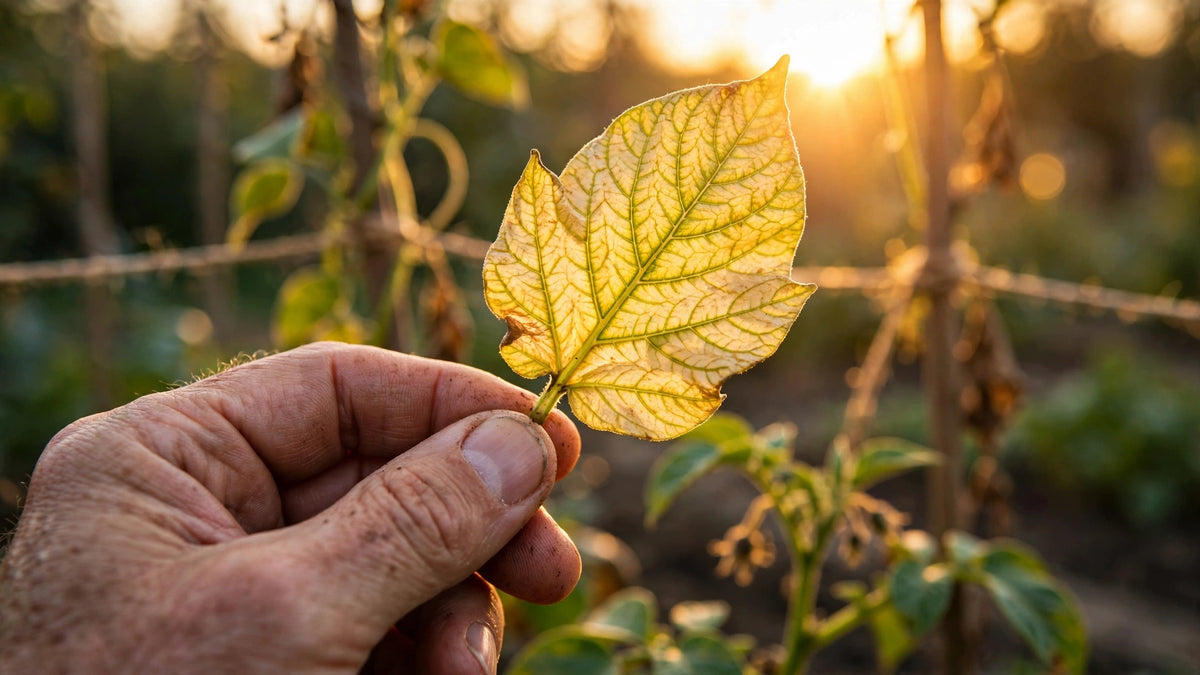
Leafy greens, ferns, and tropical houseplants have their own unique preferences. While nitrogen is important for their growth, they also rely heavily on micronutrients like magnesium and iron to maintain deep green foliage.
Yellowing or pale leaves often indicate a deficiency in these essential minerals rather than a lack of nitrogen.

These plants are the aesthetes of your garden, demanding attention to subtle details to achieve the rich, luxurious green that signals health and vitality.
Succulents and Drought-Tolerant Plants: Stoic Survivors
Some plants are naturally adapted to survive in nutrient-poor or challenging environments. Succulents, cacti, and other drought-tolerant species thrive with low levels of nitrogen but benefit from adequate potassium and phosphorus to maintain structure and resilience.

Over-fertilization can lead to weak or overly soft growth.
These resilient species are the stoics of the plant kingdom—they are low-maintenance, patient, and capable of thriving in adversity when provided the right conditions.
Listening to Plants: Matching Fertilizer to Personality
Matching fertilizer to a plant’s personality requires careful observation. Leaf color, growth rate, and flowering habits all offer clues to whether a plant is receiving the nutrients it needs.
Different stages of growth—early leaf development, flowering, or dormancy—demand different nutrient balances, and micronutrients like magnesium, calcium, and iron often determine whether a plant simply survives or truly thrives. By paying attention to each plant’s signals, you can tailor your fertilization strategy so that every plant reaches its full potential.
Ultimately, caring for plants is an exercise in listening. While they cannot speak, their leaves, stems, and blooms communicate clearly if you take the time to observe.
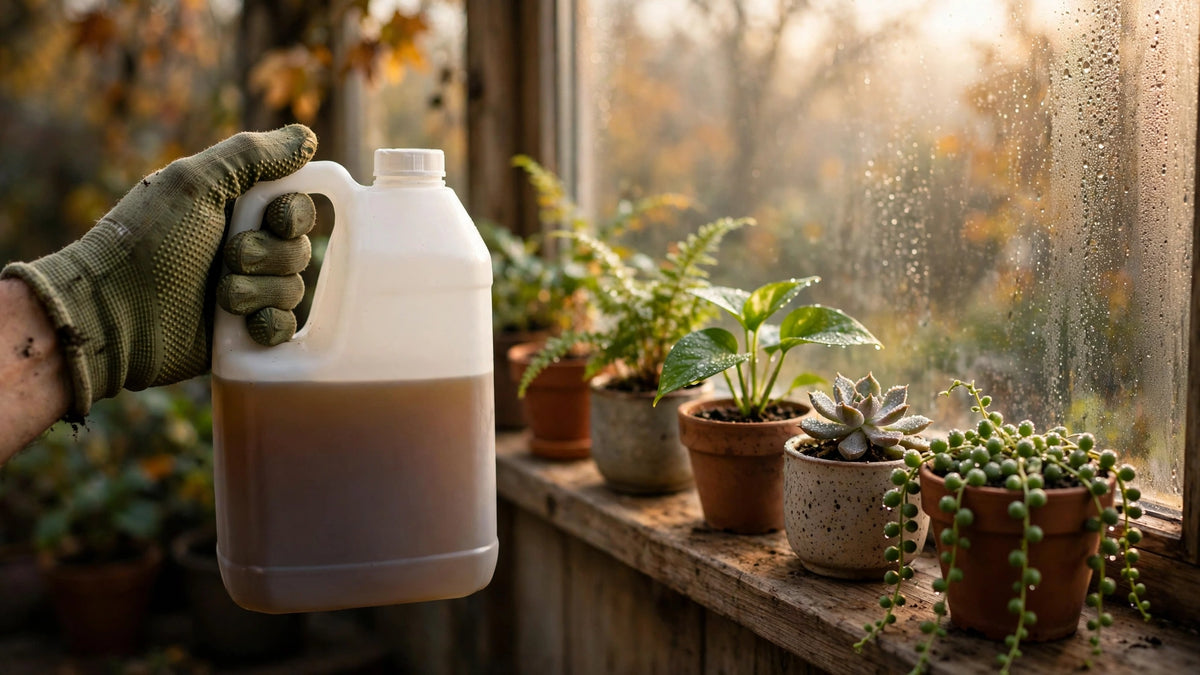
Understanding plant personalities and nutrient preferences allows gardeners to move beyond routine fertilization, creating a harmonious environment where every plant can flourish. The secret is simple: know your plant, understand its nature, and provide the nutrients it craves—using GS Plant Foods fertilizers to give them exactly what they need.
The results are worth the effort—a vibrant, diverse garden full of life and energy.
Share:
Seasonal Care Guide for Fruit Plants: From Planting to Harvest
How to Keep a Lawn Healthy in Winter: Fertilizer Application & Care Tips