

Key Takeaways
-
Frost forms when temperatures drop near or below freezing, causing ice crystals to damage plant cells, especially in tender annuals, seedlings, and warm-season vegetables.
-
The most effective frost protection combines breathable covers, such as frost cloth or sheets, with proper anchoring to trap soil warmth and shield plants from cold air.
-
Simple care habits like watering before frost, applying mulch, and moving containers to sheltered spots significantly improve your plants' ability to withstand cold nights.
-
GS Plant Foods' organic fertilizers and kelp-based products help stressed plants recover naturally after cold damage, supporting healthier growth throughout the season.
What Frost Does to Your Plants
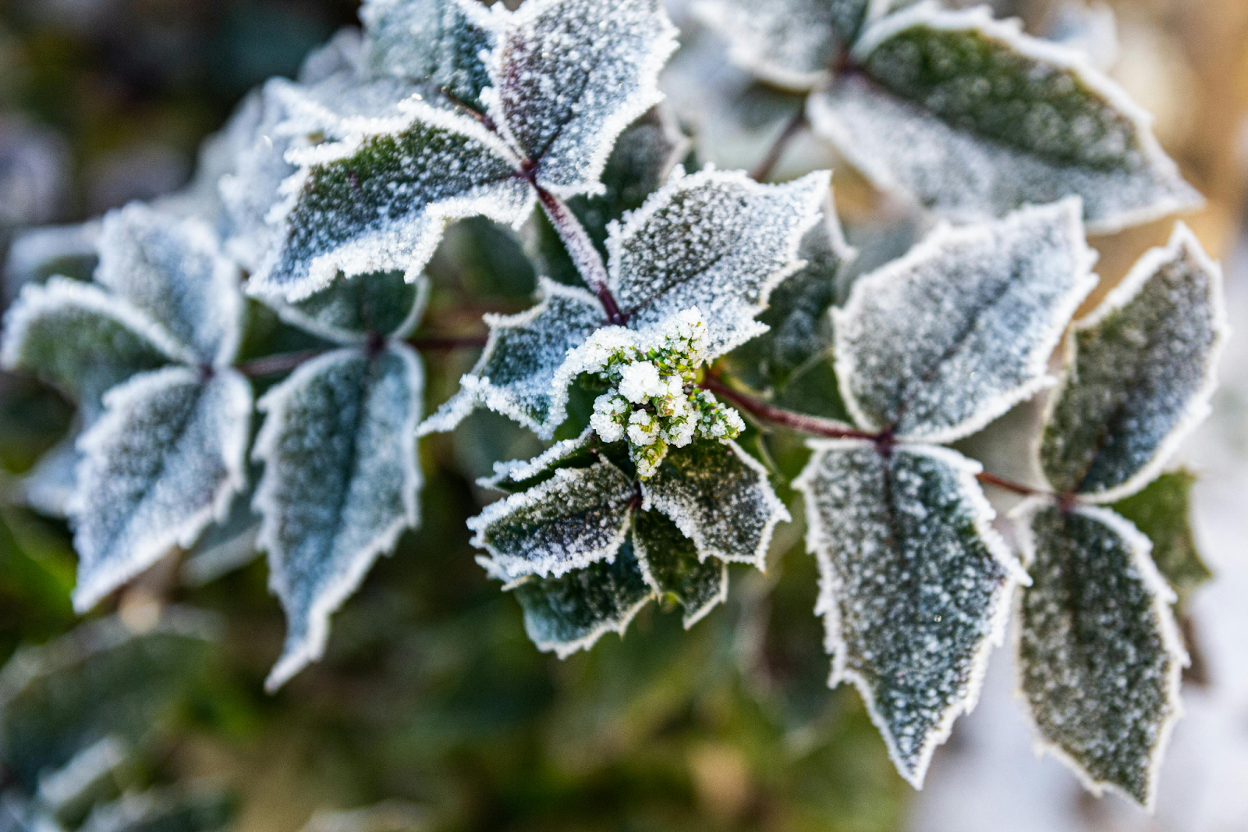
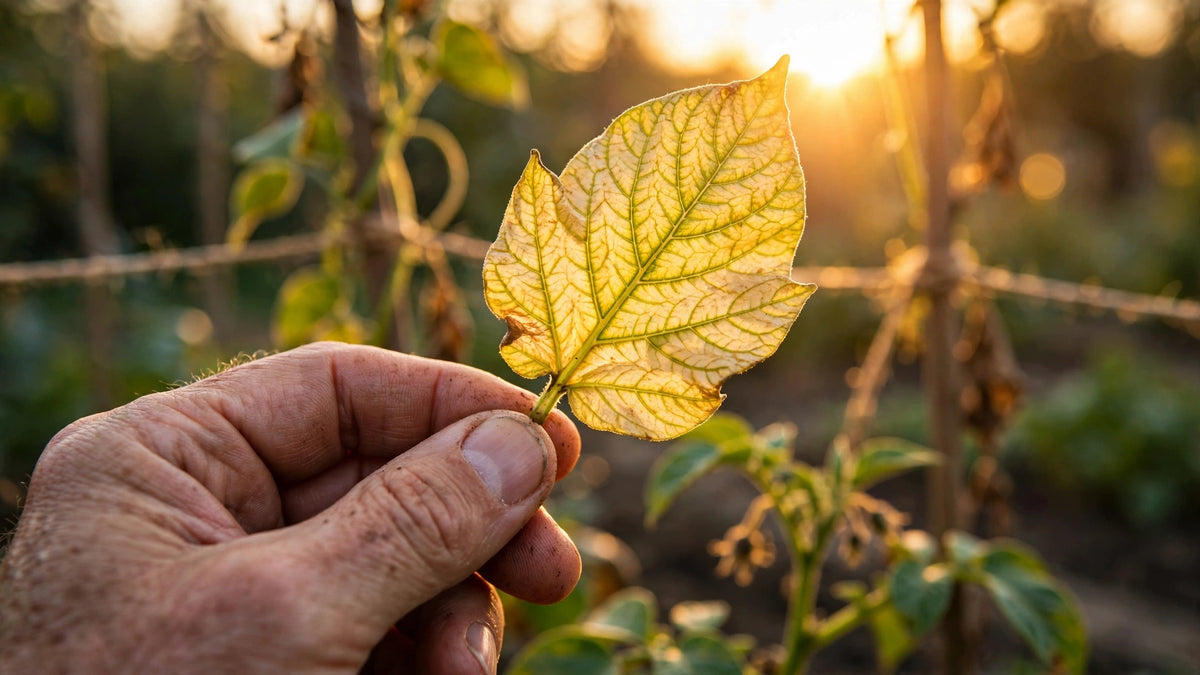
When temperatures drop near or below freezing overnight, moisture in the air crystallizes directly onto leaves, stems, and buds. These ice crystals rupture plant cells from the inside out, causing leaves to turn black or translucent, stems to become mushy, and tender new growth to collapse completely within hours.
Not all plants react the same way to cold. Mature hardy perennials and cool-season vegetables like kale and spinach can handle light frost. Still, tropicals, young seedlings, and most annuals suffer severe damage when temperatures dip even briefly below freezing.
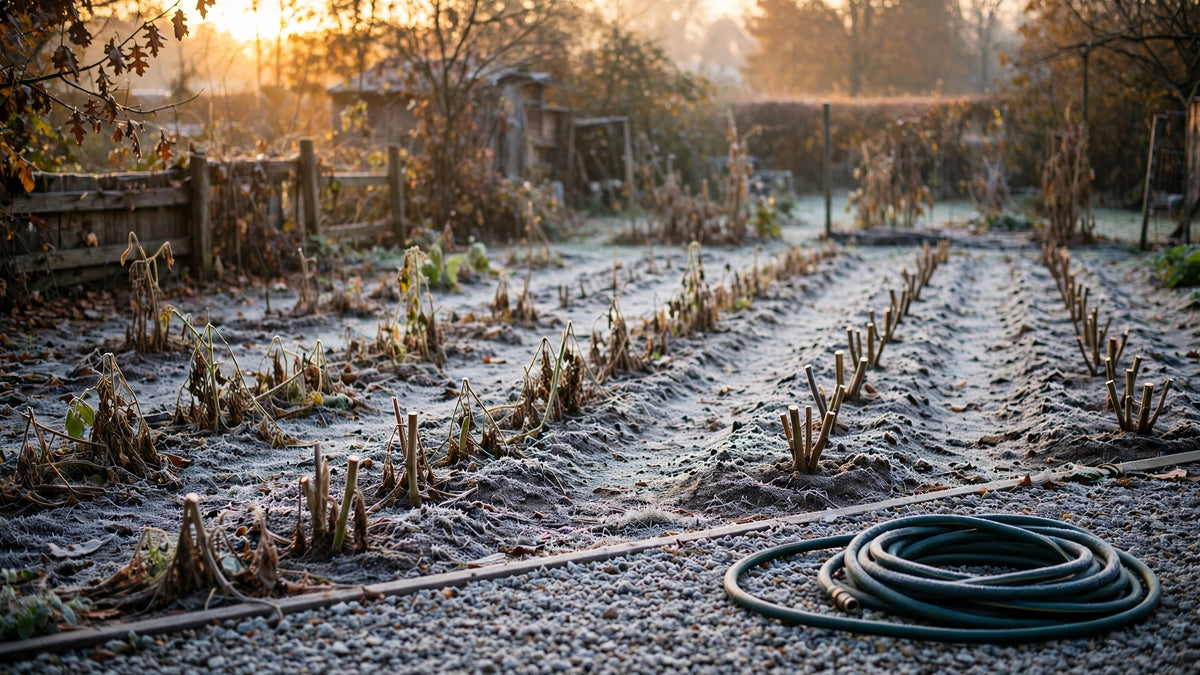
Frost often shows up unexpectedly during spring and fall transition periods, catching gardeners off guard. Having a solid protection plan ready before the forecast turns threatening saves you from midnight scrambles and lost plants.
|
GS Plant Foods: Organic Fertilizers That Actually Work 12+ Years Proven Results | Trusted by 1M+ Customers | Pet & Kid-Safe
Grow Naturally Without Compromise:From bestselling Liquid Fish to proprietary blends like Green Envy, GS Plant Foods delivers professional-grade nutrition using kelp, humic acid, and seaweed extracts. Whether you're nurturing orchids, reviving your lawn, or caring for houseplants, their organic formulas absorb faster and reduce runoff—giving you visible results without harsh chemicals. Why Gardeners Choose GS:
Your plants deserve nutrition that works as hard as you do. |

When Frost Protection Really Matters

Light frosts occur between 32°F and 36°F and affect sensitive plants, while hard freezes at 28°F or lower can damage even moderately hardy plants.
You don't need to rush outside with blankets every time the temperature drops. Light frosts typically occur between 32°F and 36°F and might only damage the most sensitive plants. A hard frost or freeze means temperatures drop to 28°F or lower for several hours, when even moderately hardy plants start to suffer severe damage.
Your garden's layout creates microclimates that either amplify or protect against cold. Low-lying areas act as cold-air sinks, open areas exposed to wind lose heat faster, and raised beds with drier soil cool down more quickly than in-ground beds. Plants near walls or under eaves benefit from radiated heat and wind protection.
Focus your energy on protecting plants in the coldest spots first. Anything newly planted, container plants, and anything actively blooming deserve priority coverage when frost threatens.
Best Frost Covers & How to Use Them Properly
The foundation of adequate frost protection is creating a loose tent over your plants that traps warmth radiating up from the soil while blocking ice formation and cold wind.
Frost Cloth & Horticultural Fleece
This specially designed non-woven fabric is the gold standard for frost protection. It's lightweight and breathable, allowing some light and moisture through, so you can leave it on for several days if needed. Frost cloth typically provides a 4–8 degree buffer, often just enough to keep plants above the damage threshold.
Set up stakes or wire hoops over your plants first, then drape the frost cloth over the supports so it doesn't rest directly on leaves. Secure all edges to the ground using landscape pins, bricks, or soil to prevent cold air from sneaking underneath.
Sheets, Blankets & Light Fabrics
Clean cotton sheets or lightweight blankets work surprisingly well for short cold snaps. Skip heavy comforters that can crush plants. Support the fabric with a frame so it doesn't flatten foliage, and make sure edges touch the ground all around. These are best for one or two cold nights rather than extended coverage.
Burlap & Specialty Covers
Burlap and light canvas provide insulation while allowing air circulation, making them ideal for wrapping shrubs and small trees. You can layer them for deeper protection during particularly brutal cold snaps.
Using Plastic Cautiously
Never let plastic touch plant leaves directly, as cold plastic can cause freeze damage. If you use plastic, always set it over hoops or frames with clearance, ideally layered over frost cloth. Remove it once temperatures rise and the sun hits the covers to prevent overheating.
Remember three rules: covers must reach the ground to trap warm air, they should be loosely tented rather than pressed against foliage, and they must be anchored securely.
Cloches, Mini-Greenhouses & DIY Solutions
Individual plants benefit from dedicated cloches that trap warm air and keep frost off the leaves. You can purchase rigid plastic or glass cloches, or get creative with household items. A large, clear plastic storage tote inverted over seedlings creates an instant mini-greenhouse. Cut the bottom off a gallon milk jug, remove the cap for ventilation, and place it over tender herbs or young transplants. For row crops and raised beds, simple wire hoops covered with frost cloth create low tunnels that provide reliable protection over multiple plants at once.
Essential Care Tips Beyond Covers
Water Before Frost Hits
Moist soil holds and releases heat far more effectively than bone-dry soil. When frost is forecast, water your beds and containers thoroughly in the afternoon so moisture has time to soak in. Aim for evenly moist soil, not waterlogged conditions.
Mulch to Protect Roots
A 2–4 inch layer of organic mulch around the base of perennials, shrubs, and young trees insulates the soil surface and buffers rapid temperature swings. Straw, shredded leaves, and wood chips all work well. Keep mulch pulled back slightly from plant crowns to prevent moisture buildup.
Move & Group Container Plants
Containers are the most vulnerable plants during frost because roots are surrounded by cold air. Move pots against house walls, under porches, or into garages. Grouping containers creates a microclimate where plants share warmth. Wrap grouped pots with blankets or bubble wrap for extra insulation.
Which Plants Need Protection First

Container plants, warm-season vegetables, and newly planted specimens need frost protection first as temperatures drop below freezing.
When time is tight, prioritize these plants:
-
Warm-season vegetables like tomatoes, peppers, squash, and beans will die at the first freeze.
-
Tropical and subtropical ornamentals, such as hibiscus, citrus, and houseplants that summer outdoors, cannot tolerate frost.
-
Newly planted perennials, shrubs, and trees haven't established deep root systems yet.
-
Seedlings and young transplants with tender growth and shallow roots.
-
All container plants need protection because their exposed root systems are vulnerable.
Cold-hardy greens and established hardy perennials usually don't need coverage unless a severe hard freeze is expected.
Your Night-Before-Frost Action Plan
-
Check the Forecast: Confirm the expected low temperatures and whether you're facing a light frost or a hard freeze.
-
Prioritize Vulnerable Plants: Make a list of what absolutely must be covered: tender annuals, warm-season vegetables, tropicals, newly planted perennials, and all containers.
-
Water Soil: If the soil is dry, give beds and containers a thorough watering in the afternoon to maximize heat retention.
-
Add Mulch: Rake or add mulch around the base of vulnerable plants to insulate roots.
-
Set Up Supports: Place stakes or hoops around plants before draping covers to prevent foliage from being crushed.
-
Drape & Secure Covers: Lay frost cloth or sheets over supports, ensuring fabric reaches the ground on all sides. Anchor edges securely.
-
Protect Containers: Cover small plants with cloches or buckets. Move pots to sheltered locations and group them.
-
Remove Covers Next Morning: Once temperatures climb above freezing, remove covers to allow light and air back in. Check plants for damage, but avoid heavy pruning immediately.
How GS Plant Foods Supports Your Garden Through Cold Stress

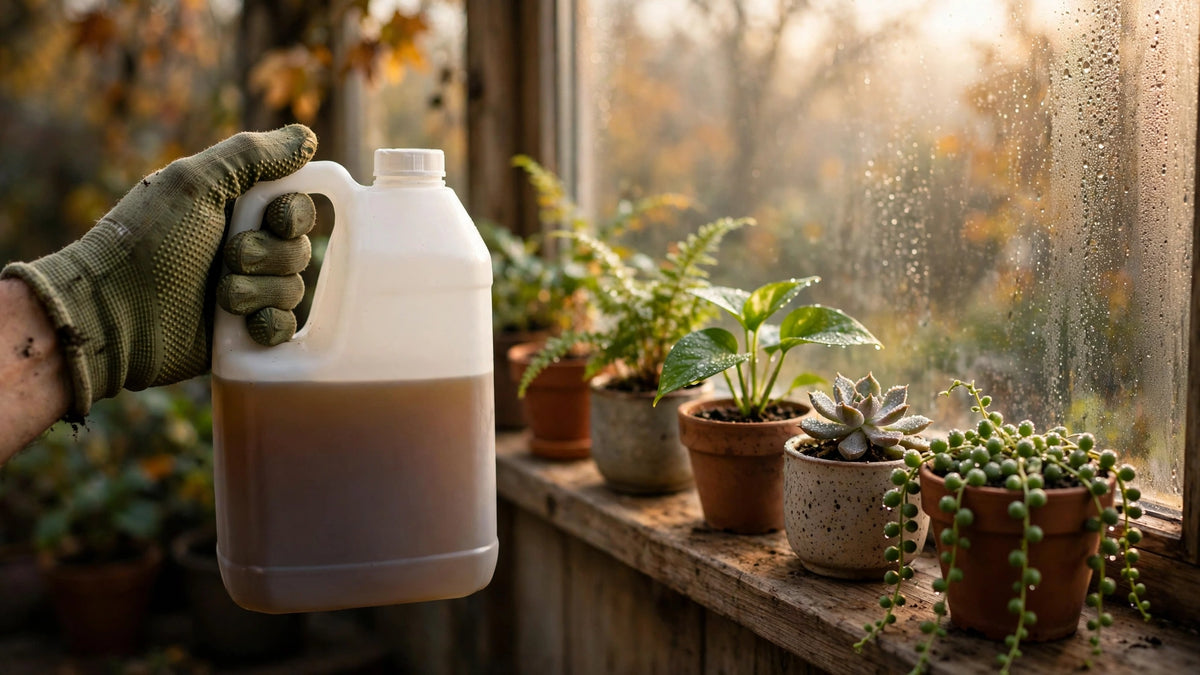
Organic kelp extract provides natural plant hormones and minerals that support stress recovery and stimulate new growth after frost damage.
Even with perfect frost protection, plants that experience temperature stress need nutritional support to recover and continue thriving. That's where GS Plant Foods' organic approach makes a real difference.
Our story started with reviving struggling orchids using organic inputs, and that same philosophy applies to helping frost-stressed plants bounce back. Organic kelp extract provides natural plant hormones and minerals that support stress recovery and stimulate new growth. The amino acids in fish hydrolysate provide readily available building blocks for protein synthesis, helping plants repair damaged tissues more quickly.
Humic and fulvic acids improve nutrient uptake efficiency when plants are working hard to recover. These natural compounds help roots absorb and utilize available nutrients more effectively, meaning plants derive greater benefit from each feeding.
Our organic line bridges the gap between traditional organics and synthetic fertilizers. The formulations are more efficient than pure organics, generate less runoff, and are safer around pets than harsh chemical alternatives.
Consider stocking your garden shed with our products, as our organic formulations are also safe for pets that might investigate your garden beds, giving you peace of mind along with adequate plant nutrition.
Check out our collection today!
Frequently Asked Questions (FAQs)
Can frost-damaged plants recover on their own?
Many plants can recover from light frost damage if the growing point wasn't killed. Damaged leaves may die back, but healthy stems often produce new growth within a few weeks.
Avoid pruning damaged tissue immediately because seemingly dead growth sometimes recovers. Supporting recovery with gentle organic fertilizers such as kelp extract and fish hydrolysate helps plants generate new growth more quickly.
What temperature should I start protecting my plants?
Start preparing for protection when forecasts predict temperatures below 36°F, especially for tender plants.
Actual frost typically forms around 32°F, but tender annuals, tropicals, and young seedlings can suffer damage at temperatures slightly above freezing. Watch for frost warnings and factor in your garden's microclimates.
Is it better to cover plants overnight or leave covers on all day?
Remove covers once temperatures rise above freezing and the sun comes out, unless another cold night is forecast. Leaving covers on during warm, sunny days can overheat plants and reduce the light they need.
If multiple freezing nights are expected with cool daytime temperatures, breathable frost cloth can remain in place, but plastic covers should be removed daily.
Can I use fertilizer right after a frost event?
Wait a few days after frost damage before applying fertilizer to give plants time to stabilize. When you do fertilize, choose gentle organic options rather than harsh chemical fertilizers.
Kelp-based products support stress recovery with natural plant hormones and trace minerals. Avoid high-nitrogen synthetic fertilizers immediately after frost because they can push tender new growth vulnerable to additional cold snaps.
How does GS Plant Foods support plants recovering from cold damage?
GS Plant Foods offers organic fertilizers specifically designed to support plant health through environmental stress. All our products are formulated with organic ingredients that are safer for pets and the environment compared to harsh synthetic alternatives.
*Disclaimer: The information in this article is for general educational purposes only. Always follow product label instructions carefully and consult with a lawn care professional or local extension service for advice specific to your region and grass type. Individual results may vary based on climate, soil conditions, and grass species. For specific product recommendations and application rates, visit GS Plant Foods.
Share:
How to Keep a Lawn Healthy in Winter: Fertilizer Application & Care Tips
Houseplant Winter Care: Watering, Light & Protection Tips