
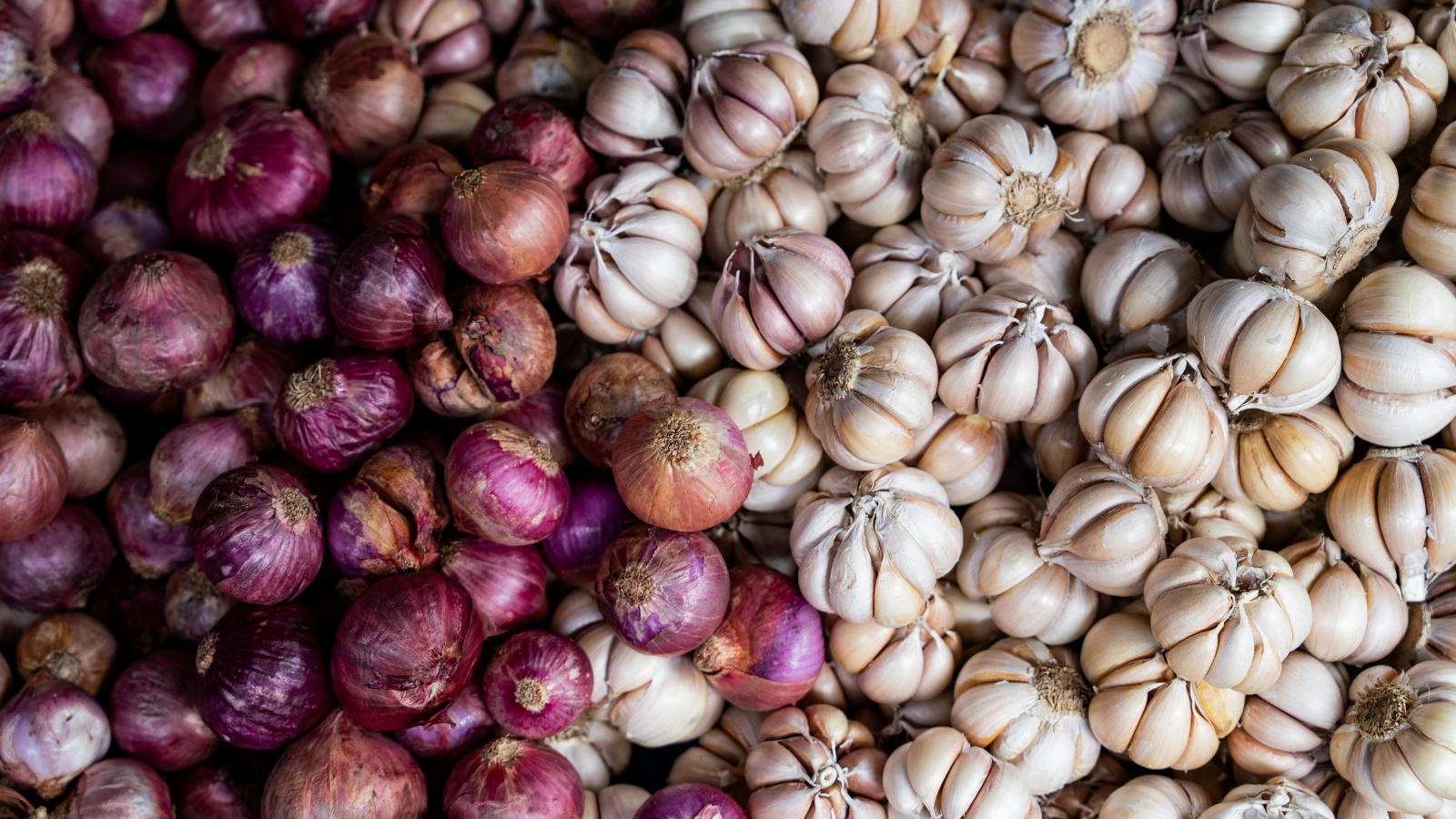
There is nothing quite like the sharp, crisp bite of a homegrown onion. Whether you are tossing them into a summer salad, caramelizing them for a rich soup, or grilling them alongside your favorite vegetables, growing your own onions is an incredibly rewarding experience.
However, many gardeners end up disappointed when harvest time rolls around, pulling up tiny, golf-ball-sized bulbs instead of the heavy, baseball-sized giants they dreamed of. The secret to growing massive onions isn’t just in the planting—it is entirely in the feeding.

Onions are heavy feeders with incredibly shallow root systems, meaning they need the right nutrients delivered at precisely the right time.
If you are ready to elevate your garden game, read on for the ultimate guide to planting and fertilizing onions for bigger, healthier bulbs.
Setting the Stage: Preparing to Plant
Before we talk about fertilizer, you need to give your onions a fighting chance with the right environment.
-
Sunlight: Onions need full sun. Choose a spot in your garden that gets at least 6 to 8 hours of direct sunlight a day.
-
Soil: They prefer loose, well-draining soil with a pH between 6.0 and 7.0. Heavy clay soils will restrict bulb expansion, so be sure to amend your soil with plenty of organic matter or compost before planting.
-
Choosing Your Onions: You can plant seeds, transplants, or sets (small dormant bulbs). Transplants and sets are the easiest for beginners and typically yield the largest bulbs in a shorter amount of time.
How to Plant
-
Dig a shallow trench in your prepared soil.
-
Place the onion sets or transplants about 4 to 6 inches apart. If you plant them too close together, they will compete for nutrients and remain small.
-
Cover them lightly. The top of the bulb should be just barely below the soil surface. Planting them too deeply will inhibit bulb formation.
The Ultimate Onion Fertilizer Guide
Because onions have shallow, inefficient root systems, they cannot reach deep into the soil to scavenge for nutrients. You have to bring the buffet directly to them. Understanding the timeline of an onion's growth is crucial for fertilization.
Phase 1: Pre-Planting Soil Prep
Before your onions even touch the dirt, you should mix a balanced, slow-release organic fertilizer into the soil. Look for an N-P-K (Nitrogen-Phosphorus-Potassium) ratio of something like 10-10-10 or 5-5-5. This establishes a baseline of nutrition that the young roots can access as soon as they wake up.
Phase 2: The Green Growth Stage (Nitrogen is King)
The size of your final onion bulb is directly tied to the number and size of the leaves it produces before the summer solstice. Each leaf represents one ring of the onion. Bigger leaves mean bigger rings; more leaves mean more rings.
During the first 6 to 8 weeks of growth, your onions need nitrogen—and lots of it.
-
What to apply: A high-nitrogen, water-soluble fertilizer applied every two to three weeks.
-
Pro-Tip: Chemical fertilizers can sometimes burn young roots or wash away too quickly. For a reliable, organic boost, many seasoned gardeners turn to high-quality liquid amendments. Incorporating GS Plant Foods products—like our organic liquid fish fertilizer or liquid kelp—into your watering routine provides a potent, highly bioavailable source of nitrogen and micronutrients that plants can absorb instantly without the risk of root burn.
Phase 3: The Bulbing Stage (Time to Switch)
Around early to mid-summer, depending on your variety and climate, the onion will stop growing new leaves and put all its energy into swelling the bulb.
Important: Stop applying high-nitrogen fertilizers at this stage! Too much nitrogen late in the season will encourage the plant to keep growing leaves instead of a bulb, resulting in thick necks that won't cure properly and will rot in storage.
-
What to apply: Switch your focus to Phosphorus and Potassium, which promote root health and bulb development. A top dressing of bone meal or a targeted organic feed will help the bulbs swell to their maximum potential.
Essential Maintenance for Giant Onions
Fertilizer alone won't do the trick if you neglect the two other pillars of onion care: proper watering and diligent weeding.
Onions need about 1 inch of water per week, and because their roots are quite shallow, the soil surface cannot be allowed to dry out completely during the active growth phase. If the soil cracks, your onions will essentially stop growing.
In addition to consistent moisture, managing competition is vital, as weeds are the absolute enemy of the onion. Those shallow onion roots simply cannot compete with aggressive weed roots for the nutrients and water you are working so hard to provide. It is crucial to keep the bed meticulously weeded, but always remember to be careful not to hoe too deeply, or you run the real risk of slicing right through your delicate onion roots.
The Harvest
You will know your onions are ready to harvest when the green tops begin to yellow and naturally fall over.
-
Stop watering when you see the tops falling over to help the curing process begin in the ground.
-
Once the tops are completely flopped over, pull the onions gently from the earth.
-
Let them dry (cure) in a warm, dry, well-ventilated spot out of direct sunlight for about two to three weeks until the necks are completely dry and the papery skin is tight.
By understanding how onions grow and providing the right nutrients at the right time, you can easily turn a standard garden bed into a heavy-yielding onion patch.
Get your soil right, feed them consistently, keep the weeds at bay, and get ready to enjoy your biggest harvest yet!
Recommended GS Plant Foods Products
To get the absolute most out of your onion crop, selecting the right organic amendments is key to protecting their delicate root systems while maximizing growth.
For the early vegetative stage when nitrogen is crucial, GS Plant Foods Organic Liquid Fish is an exceptional choice. This natural liquid fertilizer provides a gentle, easily absorbable source of nitrogen that promotes the massive, lush green leaves necessary for growing giant bulbs later on.

As your onions transition into the bulbing stage, shifting your nutrient focus is essential. Incorporating GS Plant Foods Liquid Kelp acts as a powerful botanical boost, delivering vital micronutrients, natural plant hormones, and potassium to help the onions manage summer heat stress and support robust bulb development.
Furthermore, because onion roots are notoriously shallow and often struggle to forage for food, adding GS Plant Foods Liquid Humic Acid to your watering routine can be a true game-changer. It improves the overall soil structure and acts as a natural chelator, making all the nutrients you apply far more bioavailable so those tiny roots can easily soak up exactly what they need to produce a massive, healthy harvest.
Share:
4 Easy Flowers to Grow in Spring: Guide For Beginners
How to Prepare Flower Beds for Spring: Mulch, Soil & Nutrition Tips