Key Takeaways
-
Soil preparation is the first step; amending with compost builds the foundation for a productive vegetable garden.
-
Starting too early in cold, waterlogged soil does more harm than good, and soil temperature is a better guide than the calendar.
-
Cool-season crops like peas and lettuce can go in weeks before your last frost, while warm-season crops like tomatoes need to start 6–8 weeks indoors before transplanting outside.
-
Clearing out winter debris before planting is necessary because leftover plant matter can harbor fungal diseases and overwintering pests that will attack your new crops.
-
GS Plant Foods formulated an All-Purpose Fertilizer that combines high-performance nutrients with organic kelp extract. It’s easy to use, eco-friendly, pet- and child-friendly, and great for vegetables, lawns, houseplants, and shrubs.
Preparing Your Vegetable Garden for Spring
To prepare your spring vegetable garden, start by clearing winter debris. Then, test the soil once it passes the "squeeze test" for moisture. Optimal planting depends on soil temperature rather than the calendar. Cool-season crops like peas and lettuce thrive at 40°F, while warm-season favorites like tomatoes require at least 60°F. Amending your beds with two to three inches of finished compost and a balanced 20-20-20 fertilizer provides the necessary nutrients for rapid establishment.
Successful harvests begin with timing and soil health, specifically maintaining a pH between 6.0 and 7.0 for most vegetables. Direct sow hardy greens and root crops outdoors several weeks before the last frost. Keep tender plants like tomatoes indoors for six to eight weeks before transplanting. By rotating crops and using organic-based fertilizers, you can prevent disease buildup and ensure a productive, pest-resistant growing season.
|
GS Plant Foods: Organic Fertilizers That Actually Work 12+ Years Proven Results | Trusted by 1M+ Customers | Pet & Kid-Safe
Grow Naturally Without Compromise:From bestselling Liquid Fish to proprietary blends like Green Envy, GS Plant Foods delivers professional-grade nutrition using kelp, humic acid, and seaweed extracts. Whether you're nurturing orchids, reviving your lawn, or caring for houseplants, their organic formulas absorb faster and reduce runoff—giving you visible results without harsh chemicals. Why Gardeners Choose GS:
Your plants deserve nutrition that works as hard as you do. |

When to Start Preparing Your Vegetable Garden for Spring

Check your soil temperature before you begin spring planting.
There's no universal start date, but there are reliable signals that tell you when the time is right. Here’s how to understand when it's okay to start preparing your garden for spring.
Soil Temperature Matters More Than the Calendar Date
Seeds have minimum germination temperatures, and planting below those thresholds results in slow germination at best and seed rot at worst. Check the soil temperature with a probe thermometer to know exactly when to plant. Peas germinate in soil as cool as 40°F, but tomatoes need at least 60°F to thrive after transplanting.
Last Frost Dates & Why They Matter
Your last expected frost date is the primary planning anchor for spring planting. It determines when you can safely move tender plants outside, when to start seeds indoors, and how to stagger your plantings.
Peas can go in as early as St. Patrick's Day in many temperate zones. Lettuce tolerates light frost and can be direct-sown several weeks before your last frost date. Tomatoes, peppers, and cucumbers, however, should never go outdoors until frost risk has passed completely.
Different Start Times for Cool-Season & Warm-Season Crops
Cool-season crops, including lettuce, spinach, kale, peas, and radishes, actively prefer the cooler soil and air temperatures of early spring. They bolt (go to seed) and lose quality once summer heat arrives, so getting them in early is both possible and beneficial.
Warm-season crops like tomatoes and peppers need warmth to thrive. Starting these indoors 6–8 weeks before your last frost date gives them a head start (while fast growers like cucumbers and squash need only 3–4 weeks), so they're ready to go in the ground the moment conditions allow.
How to Get Your Soil Ready for Planting: Step-by-Step

Begin by clearing out winter debris and dead plants.
-
Clear Out Winter Debris: Remove dead plant debris to stop disease spreading. Remove all dead stems, old root systems, and spent foliage from last season. Pay particular attention to beds that have disease issues. Blight-affected tomato plants, for example, should go in the trash, not the compost pile.
-
Test Your Soil: Use a home test kit to check your soil’s pH level, nutrient deficiencies, and organic matter content. Most vegetables grow best in soil with a pH between 6.0 and 7.0.
-
Turn the Soil: Wait until the soil passes the squeeze test (moist but not soggy). Then, use a garden fork to turn the soil to a depth of 12 inches. Avoid over-tilling, which destroys soil structure and disrupts the beneficial microbial activity that supports healthy soil.
-
Add Compost & Fertilizer: Apply a 2–3 inch layer of finished compost across all vegetable beds each spring. Work it into the top 6–8 inches of soil using a fork or spade. For heavy-feeding crops like tomatoes, squash, and cucumbers, add an extra inch and supplement with a balanced fertilizer. Repeat the process in the fall after clearing out summer crops to maintain soil health year-round.
The Right Fertilizer for a Spring Vegetable Garden
Compost builds the foundation, but fertilizer fills the gaps, especially in the early weeks of spring when soil biology is still waking up and cool temperatures limit nutrient availability.
For beds replanted each season, a balanced all-purpose fertilizer applied at planting time ensures crops have access to the full spectrum of nutrients they need from the start.
GS Plant Foods 20-20-20 All Purpose Fertilizer is a practical choice here, designed to support strong early growth across a wide range of vegetable crops. Its perfectly balanced NPK ratio: 20% Nitrogen, 20% Phosphorus, and 20% Potassium, ensures every stage of early plant development is covered.
Applying it alongside compost during bed prep provides both slow-release organic matter for long-term health and readily available nutrients for fast establishment.

GS Plant Foods All-Purpose Fertilizer is non-toxic and eco-friendly.
The All-Purpose Fertilizer particularly well-suited for vegetable gardens is its hybrid formulation, combining powerful nutrients with organic benefits. When you're growing food your family will eat, what goes into the soil matters just as much as what comes out of it. This fertilizer balances powerful nutrients with organic ingredients, making it safe for use around children and pets when used as directed.
The organic kelp extract is a key ingredient, packed with naturally occurring micronutrients and enzymes that enrich the soil and promote root vitality — helping young transplants and seedlings take hold faster in cool spring conditions. Chelated micronutrients, including iron, zinc, and manganese, support optimal plant metabolism and address the trace element deficiencies common in overworked or depleted vegetable beds.
Because the formula is 100% water-soluble, it feeds plants efficiently through both roots and foliage, delivering rapid and visible improvements in plant vigor within days rather than weeks.
Tips for Preparing Your Vegetable Garden for Spring Planting
Getting your vegetable garden ready for spring comes down to working through the right steps in the right order. Here are some expert tips to keep in mind when preparing your vegetable garden for spring:
-
Garden layout first: Plan which crops go where before planting, accounting for sun exposure, spacing, and succession planting.
-
Crop rotation: Never grow the same plant family in the same bed two years running to prevent disease buildup and nutrient depletion.
-
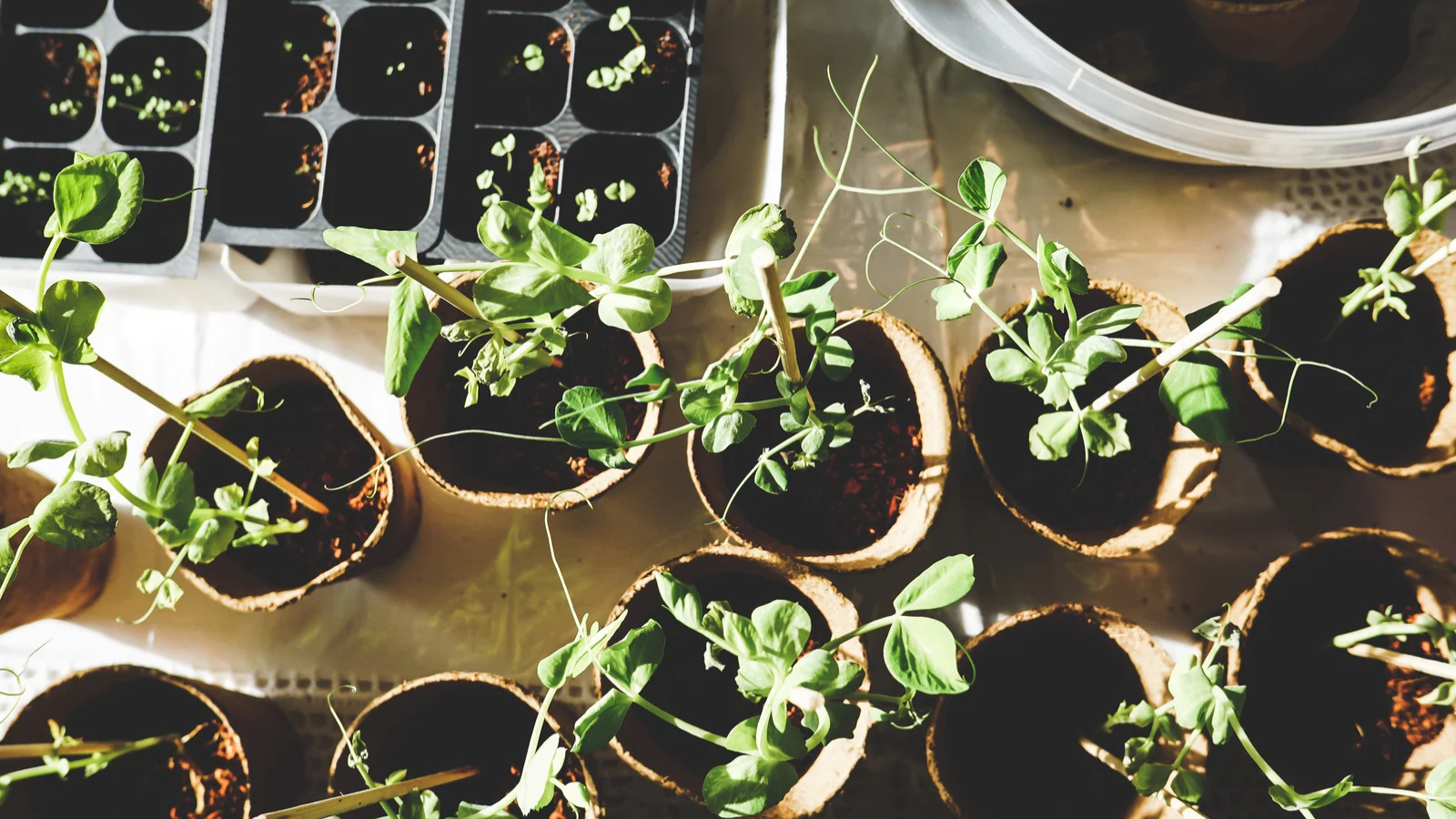
Indoor seed starting: Begin warm-season seeds (like tomatoes and peppers) indoors 6–8 weeks before your last frost date using sterilized pots and moist, well-draining potting mix.
-
Warm beds early: Use cloches or agricultural fleece to pre-warm beds 2–3 weeks ahead of schedule and extend your cool-season growing window.
-
Compost generously: Work 2–3 inches of finished compost into the top 6–8 inches of every bed before planting.
-
Manure placement: Keep manure away from root vegetable beds and reserve it only for heavy feeders like tomatoes, cucumbers, and squash.
-
Fertilize at planting: Apply a balanced all-purpose fertilizer at planting time to supplement compost while soil biology is still slow from winter.
-
Cool-season crops first: Sow peas as early as St. Patrick's Day and lettuce several weeks before your last frost date.
Start Your Spring Garden Strong with GS Plant Foods All-Purpose Fertilizer
Successful spring gardening relies on healthy soil and timely preparation. Proper nutrient application ensures young seedlings have the strength to establish as temperatures rise. Using a balanced formula like GS Plant Foods 20-20-20 All Purpose Fertilizer provides the necessary support for early plant development.
This water-soluble solution contains organic kelp and chelated micronutrients to improve root health and foliage. You can feel confident using these non-toxic products where children and pets play. Give your spring planting the foundation it needs.
Try GS Plant Foods 20-20-20 All-Purpose Fertilizer Today→
Frequently Asked Questions (FAQs)
When should I start preparing my vegetable garden for spring?
Start preparing your vegetable garden for spring 2–4 weeks before your target planting date. Use soil temperature as your guide rather than the calendar. Soil should be moist but not waterlogged before you begin working it.
Can I add manure to any vegetable bed in spring?
No. Manure should not be added to beds where you're growing root vegetables like carrots, parsnips, or beets. The concentrated nutrients in manure cause roots to fork and develop irregular, contorted shapes as they grow toward pockets of fertility in the soil.
How do I know if my soil is ready to plant in spring?
Your soil is ready to work when it passes the squeeze test: grab a handful and squeeze it firmly. If it holds its shape but breaks apart easily when you poke it, the moisture level is right. If water squeezes out or it stays in a solid, sticky ball, it's too wet.
What vegetables can I plant first in spring?
Cool-season vegetables are your earliest starters. Peas can go in as early as St. Patrick's Day in many temperate regions. Lettuce, spinach, kale, and radishes tolerate light frost and can be direct-sown several weeks before your last frost date.
Warm-season crops, including tomatoes, peppers, cucumbers, squash, and beans, should not be planted outside until after your last frost date and when soil temperature is consistently above 60°F.
Is GS Plant Foods All-Purpose Fertilizer Good for Vegetable Gardens?
GS Plant Foods 20-20-20 All-Purpose Fertilizer delivers a balanced NPK ratio, with organic kelp extract and chelated micronutrients that support strong root development, healthy foliage, and higher yields from planting through to harvest.
Its non-toxic, water-soluble formula is safe around children and pets, absorbs quickly through roots and leaves, and introduces balanced nutrition without the high salt buildup of traditional synthetics.
*Disclaimer: This information is for educational purposes only. Always follow product label instructions and consult with qualified professionals for advice specific to your region, climate, and growing conditions. Individual results may vary based on environmental factors, soil conditions, plant species, and care practices. For specific product recommendations and application rates, visit GS Plant Foods.
Share:
Best Fertilizer for Grass After Winter: NPK Ratios & How to Use
Fish Fertilizer for Plants: Benefits & Uses