As summer fades and cooler days arrive, your lawn begins preparing for the months ahead.
Autumn is a crucial season for strengthening grass roots, repairing summer damage, and laying the groundwork for a lush lawn in spring. The right fertilizer can make all the difference, providing essential nutrients that boost resilience and color retention.
Products like GS Plant Foods offer natural, nutrient-rich formulas that help grass recover and build strong roots before winter, ensuring your lawn thrives when warmer weather returns.
Why Autumn Fertilization Matters
Many homeowners assume spring is the most important time to feed their lawn, but autumn is when grass truly builds its strength.
During the fall, cooler temperatures and increased moisture create ideal growing conditions. Instead of pushing rapid top growth, the lawn focuses on developing deeper, stronger roots.
This underground energy storage helps grass survive harsh winter conditions and ensures a greener, healthier lawn in spring.
Applying a quality fertilizer, such as GS Plant Foods’ organic-based formulas, delivers essential nutrients like nitrogen, phosphorus, and potassium directly to the roots.
Nitrogen supports vibrant color and recovery from summer stress, phosphorus promotes strong root systems, and potassium enhances disease resistance and cold tolerance.
Just as important as the nutrients themselves is the soil biology that helps roots actually absorb them. Compacted soil or a thin microbial base keeps grass from taking up even a perfectly balanced fertilizer efficiently — which is why the strongest autumn lawn programs pair NPK nutrition with something that builds soil biology directly, like humic acid, fulvic acid, and beneficial bacteria.
By fertilizing in autumn and feeding the soil along with the grass you give your lawn exactly what it needs to thrive long-term.

Signs Your Lawn Needs Extra Support This Fall
Not sure whether your lawn needs a standard feeding or something more intensive? A few warning signs point to soil and root stress that NPK nutrients alone won't fully fix:
- Slow recovery after summer traffic: grass that stays thin or pale in high-traffic areas weeks after activity has slowed down.
- Patchy color, even after feeding: if a spring or summer application didn't produce even, lasting green-up, the soil itself may be the bottleneck.
- Compacted or hard-feeling soil: roots can't access nutrients efficiently when the soil structure is poor.
- Drought or heat stress that lingered into fall: lawns that struggled in summer heat often need help rebuilding root mass before winter.
If any of these sound familiar, it's worth feeding the soil, not just the grass. Green Envy – Lawn Turf Superfood is built for exactly this: an organic liquid formula with humic acid, fulvic acid, 22% organic carbon, and beneficial soil bacteria that helps lawns rebuild root systems and recover from drought, heat, and heavy foot traffic — on Bermuda, St. Augustine, Kentucky Bluegrass, and most other common turf types.
Key Nutrients Your Lawn Needs in Fall
To prepare your lawn for winter and ensure healthy regrowth in spring, it’s important to supply the right balance of nutrients.
Each plays a unique role in strengthening grass during cooler months:
-
Nitrogen (N): Encourages rich green color and helps the lawn recover from summer stress without forcing excessive top growth.
-
Phosphorus (P): Supports root development, ensuring grass can store enough energy to withstand winter.
-
Potassium (K): Boosts disease resistance, drought tolerance, and overall hardiness against cold weather.
-
Micronutrients: Elements like iron, magnesium, and calcium further enhance color, nutrient absorption, and soil health.
Fertilizers like GS Plant Foods Fish & Kelp provide a natural source of these nutrients, improving both soil quality and grass vitality.

By focusing on a nutrient-rich formula, you set the stage for a resilient lawn that bounces back quickly once spring arrives.
Best GS Plant Foods Fertilizers for Autumn Lawn Care
When it comes to preparing your lawn for winter, GS Plant Foods offers a range of organic and nutrient-rich products designed to strengthen roots, improve soil health, and keep your grass resilient.
Here are some of their top options for fall lawn care:
1. Liquid Love – All Purpose Natural Plant Food
A versatile organic formula that delivers fast results, restoring lawn color and vitality after the heat of summer.
Its nutrient blend helps grass withstand seasonal stress while preparing for colder months.

2. Organic Liquid Fish (2-3-1)
Made from natural fish proteins, this fertilizer slowly releases nitrogen, phosphorus, and potassium while enriching the soil with amino acids and trace minerals. Perfect for fall feedings, as it encourages deep root growth and builds a solid foundation for spring.

3. Organic Liquid Humic Acid
This concentrated formula improves nutrient absorption and soil structure. By enhancing root activity and moisture retention, it makes your lawn more resistant to harsh winter conditions.

4. 20-20-20 All Purpose Fertilizer with Kelp and Micronutrients
A balanced NPK fertilizer combined with kelp and micronutrients. It supports both top growth and root development, though in autumn it’s best applied moderately to avoid excessive leaf growth while still feeding the soil.

5. Soft Soil Liquid Soil Aerator & Lawn Treatment
Compacted soil can block roots from accessing nutrients. This product loosens the soil, improves water penetration, and enhances nutrient uptake—an excellent choice for fall lawn maintenance.
By focusing on GS Plant Foods fertilizers, you not only support your lawn’s immediate needs but also invest in long-term soil health and sustainability.
Applying these products in autumn ensures your grass enters winter strong and re-emerges in spring greener and healthier.
How to Apply GS Plant Foods Fertilizers in Autumn
The best time to fertilize with GS Plant Foods products is early to mid-autumn, when the soil remains warm but the air is cooler.
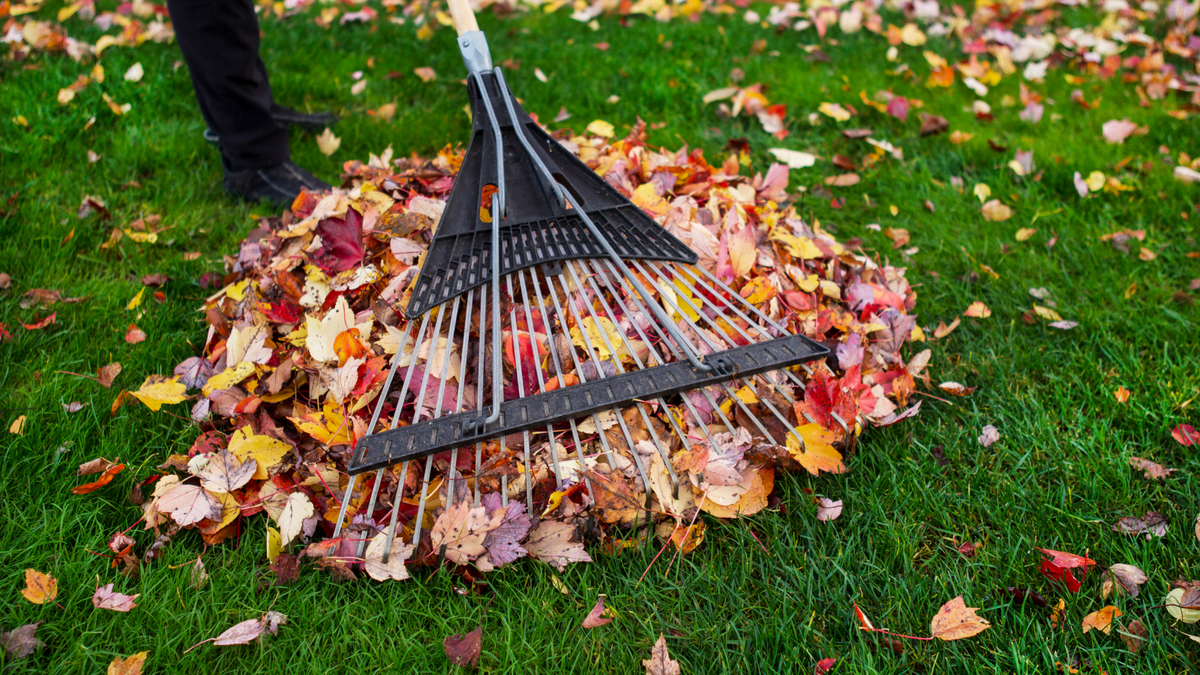
This balance allows nutrients to be absorbed efficiently before the lawn slows its growth for winter. To prepare the grass, it helps to mow slightly shorter than usual and clear away leaves or debris, ensuring the fertilizer can reach the soil evenly.
Most GS Plant Foods products come in liquid form and should be diluted with water, then applied using a sprayer or hose-end applicator for even coverage.
After application, a light watering encourages nutrients to move deeper into the root zone without washing them away.
In autumn, the focus should be on root strength and resilience rather than rapid top growth, so one or two applications are usually enough.
Follow these steps for the best results:
- Prep the lawn first. Mow slightly shorter than usual and clear away leaves or debris so fertilizer reaches the soil evenly.
- Dilute liquid formulas as directed. Most GS Plant Foods products, including Green Envy and the 20-20-20 blend, come concentrated and need to be mixed with water before application.
- Apply evenly with a sprayer or hose-end applicator. Even coverage matters more than heavy application, one gallon of Green Envy, for example, stretches to roughly 64 gallons of ready-to-use solution.
- Water lightly after application. This helps move nutrients into the root zone without washing them away.
- Go easy on high-nitrogen blends. A balanced formula like the 20-20-20 All Purpose Fertilizer is great for feeding the soil in fall, but apply it moderately so you're not pushing excess top growth right before winter dormancy.
Final Tips for a Healthy Autumn Lawn
Autumn is the perfect time to invest in your lawn’s future.
By using GS Plant Foods fertilizers, you provide essential nutrients that strengthen roots, improve soil health, and prepare grass for winter dormancy.
Focusing on root development and soil nourishment rather than rapid growth ensures your lawn emerges vibrant and resilient in spring.
Regular care, timely applications, and choosing the right products make all the difference, helping your lawn not only survive the colder months but thrive year after year.
Frequently Asked Questions:
When is the best time to fertilize my lawn in fall?
Early to mid-autumn is ideal — while the soil is still warm but air temperatures have cooled. This gives roots time to absorb nutrients before winter dormancy sets in.
Can I use Green Envy and the 20-20-20 fertilizer together?
Yes. Many GS Plant Foods customers pair a soil-focused product like Green Envy with a balanced feeding like the 20-20-20 All Purpose Fertilizer one rebuilds root and soil biology, the other supplies broader nutrition.
Do I need to water my lawn after applying liquid fertilizer?
Yes. A light watering after application helps carry nutrients down into the root zone instead of letting them sit on top of the soil.
How late in the season is too late to fertilize?
Aim to stop feeding once the ground is close to freezing or the grass has fully stopped growing. Fertilizing too close to winter dormancy wastes nutrients the lawn can no longer use.


Share: