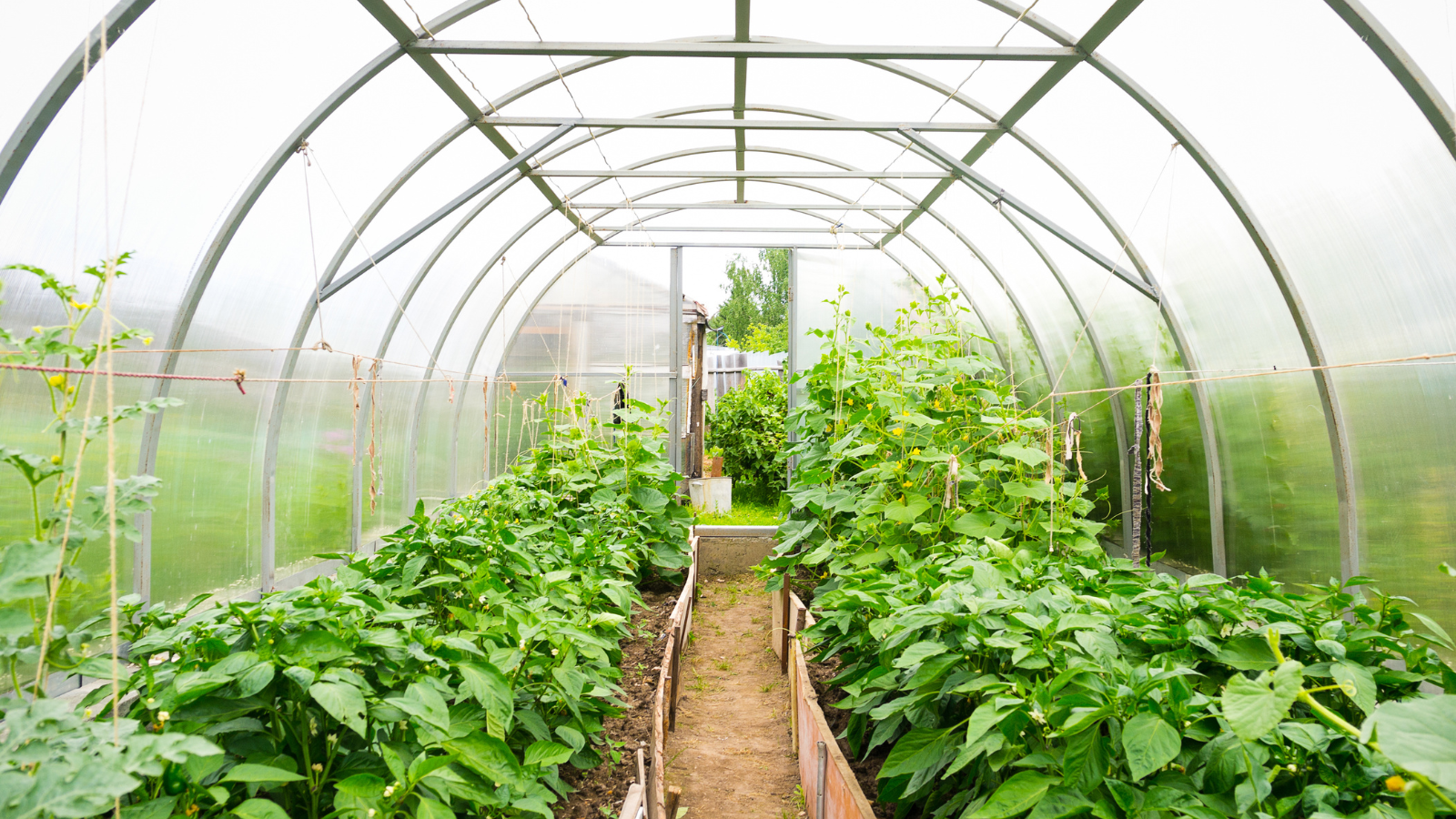
Walk into any garden center and the fertilizer aisle will overwhelm you. Dozens of products, different NPK ratios, granular vs. liquid, organic vs. synthetic — and no obvious way to figure out which one is right for your vegetable garden. Most gardeners end up picking something that looks reasonable and hoping for the best.
This guide cuts through that. We'll cover what vegetables actually need at each growth stage, how to match the right fertilizer to what your plants are doing, and what the warning signs look like when something is missing. Every product recommendation here is one we use and trust.
Let's start with the fundamentals.
Understanding NPK: What Those Three Numbers Actually Mean
Every fertilizer label carries three numbers — nitrogen (N), phosphorus (P), and potassium (K) — listed in that order. A 10-10-10 fertilizer contains 10% of each by weight. A 32-0-0 is pure nitrogen. Understanding what each one does tells you which fertilizer to reach for at any given moment.
- Nitrogen (N) drives leafy, vegetative growth. Spinach, lettuce, kale, and herbs are heavy nitrogen users. Too little and growth slows; too much and you get lush leaves but poor fruit set.
- Phosphorus (P) supports root development and flowering. It matters most at two points: when seedlings are establishing roots, and when plants transition from vegetative growth to producing fruit and flowers.
- Potassium (K) governs overall plant health — disease resistance, water regulation, and the quality of fruit. Think of it as the system that keeps everything running efficiently.
Most vegetable gardens don't need all three in equal amounts all the time. The ratio that matters depends on what your plants are doing right now.
| Nutrient | Primary Role | Deficiency Signs | Excess Signs | High-Demand Crops |
|---|---|---|---|---|
| Nitrogen (N) | Leaf and stem growth, chlorophyll production | Yellowing from older leaves upward, stunted growth | Dark green, excessive foliage, poor fruiting | Lettuce, spinach, cabbage, corn |
| Phosphorus (P) | Root development, flowering, fruit set | Purple-tinged leaves and stems, slow growth | Blocks uptake of zinc and iron | Tomatoes, peppers, root vegetables |
| Potassium (K) | Water regulation, disease resistance, fruit quality | Brown leaf edges (tip burn), weak stems | Blocks magnesium and calcium uptake | Tomatoes, squash, potatoes, cucumbers |
| Calcium (Ca) | Cell wall strength, root growth | Blossom end rot, distorted new growth | Raises soil pH, blocks magnesium | Tomatoes, peppers, brassicas |
| Magnesium (Mg) | Chlorophyll production, enzyme activation | Interveinal chlorosis (yellowing between veins) | Rare; competes with calcium | Tomatoes, peppers, roses |
Organic vs. Synthetic Fertilizers: The Real Difference
The debate between organic and synthetic fertilizers is often framed as a values question, but it's more useful to think of it as a timing and mechanism question.
Synthetic fertilizers deliver nutrients in forms that are immediately available to plants. They work fast — sometimes within 24 hours. The tradeoff is that they bypass soil biology entirely and, over time, can degrade the microbial communities that make soil productive in the first place. They also tend to leach out of the soil quickly, especially in raised beds or containers that get watered frequently.
Organic fertilizers release nutrients more slowly, as soil microbes break down the organic matter. This means the timing is less precise, but the benefits compound over time: you're feeding the soil as well as the plant, building biology that makes future applications more effective and improving the structure of the growing medium itself.
For most home vegetable gardens, the practical answer is a combination. Use organic inputs as your baseline program, and reach for a fast-acting option when you need a quick correction.
Organic fertilizers don't just feed plants — they feed the microorganisms in your soil that make nutrients available. A plot that's been fed organically for three to five years will outperform a chemically-managed plot of the same size, because the soil biology does an increasing share of the nutritional work on its own.
If you're looking for one all-purpose organic liquid that works across your whole vegetable garden, GS Plant Foods Game Changer All-Purpose Essentials is a good place to start. It's a 100% plant-based organic formula with an NPK of 4-3-3 — balanced enough to use throughout the season without pushing growth in the wrong direction. Works for container and in-ground growing. At $14.95 for 20 oz, it's also the most accessible entry point in our lineup.
What Vegetables Need at Each Growth Stage
One of the most common fertilizing mistakes is treating your vegetable garden the same way all season long. Your plants' nutritional needs change significantly as they move from seedling to flowering to harvest. Matching your fertilizer to the stage your plants are actually in makes a bigger difference than almost any product choice.
Stage 1: Germination and Seedling (Weeks 1-3)
At this stage, the plant's priority is root establishment. It has limited leaf surface area for photosynthesis and doesn't need heavy nitrogen. What it needs is a healthy, biologically active soil that lets roots spread easily and access water and micronutrients.
Avoid high-nitrogen fertilizers on seedlings — they stimulate top growth the plant can't yet support and divert energy from root development. A light soil drench with a compost-based product is all you need here.
Root Ruckus! Turbo Charged Liquid Compost is built for this stage. It's a liquid compost extract packed with beneficial microorganisms that colonize the root zone and dramatically expand the plant's ability to access nutrients. Apply as a diluted soil drench at transplanting or after germination and you'll notice the difference in how fast seedlings establish and how uniform growth is across your beds.
Stage 2: Vegetative Growth (Weeks 3-6)
Once the plant has a solid root system and is putting on leaves rapidly, nitrogen becomes the priority. This is the stage where leafy crops like lettuce, spinach, kale, and chard do most of their productive growing — and where fruiting crops like tomatoes and peppers build the biomass they'll need to support a heavy harvest later.
For vegetative growth, few products are as effective as Amino Power Powder Nitrogen Fertilizer. With 18 L-amino acids acting as chelating agents, the nitrogen in this formula is absorbed faster and more completely than standard nitrogen sources. It's 100% water soluble and works as both a foliar spray and a soil drench. Particularly useful after transplanting, when plants need to recover and push new growth quickly. Apply weekly during peak vegetative growth at 1 tbsp per gallon of water.
Stage 3: Flowering and Fruit Set (Weeks 6-10+)
When plants start forming flowers, reduce nitrogen and shift toward phosphorus and potassium. This is the transition point that most gardeners miss — staying on a high-nitrogen feed past this stage produces beautiful plants with disappointing yields. Phosphorus drives the flower and fruit production that nitrogen has been building toward.
Flower Power All Natural Super Bloom Booster is designed for exactly this transition. Its elevated phosphorus ratio supports flower formation and fruit set on tomatoes, peppers, squash, beans, and cucumbers. It's an organic formula, so it won't spike your soil chemistry or leave salt residue in your beds. Switch to it as soon as you see the first flower buds forming.
Stage 4: Active Fruiting and Harvest
Once fruit is actively developing, potassium becomes the key nutrient. It governs sugar development, wall thickness, flavor concentration, and disease resistance. Plants at this stage also have a high demand for calcium and magnesium — calcium to prevent blossom end rot and keep cell walls strong, magnesium to sustain the chlorophyll production the plant still needs to ripen its fruit.
| Stage | Weeks | Priority Nutrients | Recommended Product | Frequency |
|---|---|---|---|---|
| Germination / Seedling | 1-3 | Soil biology, micronutrients | Root Ruckus! | Once at planting |
| Early Vegetative | 3-5 | Balanced NPK + kelp | Game Changer or 20-20-20 | Every 2 weeks |
| Peak Vegetative | 5-7 | Nitrogen (N), amino acids | Amino Power Powder | Weekly |
| Flowering | 7-9 | Phosphorus (P), kelp | Flower Power + Fish & Kelp | Every 10-14 days |
| Fruiting / Harvest | 9+ | Potassium (K), calcium, magnesium | Cal-Mag Extreme + Fish & Kelp | Every 2 weeks |
| Any stage (deficiency) | As needed | Ca + Mg correction | Cal-Mag Extreme | As needed |
The Best Fertilizers for Specific Vegetables
Different crops have meaningfully different nutritional profiles. Here's how to think about fertilizing the most common vegetable garden plants.
Tomatoes
Tomatoes are the most fertilizer-dependent vegetable most gardeners grow. They need high nitrogen early, a hard transition to phosphorus at flower formation, and then consistent calcium throughout fruiting — the absence of calcium is directly responsible for blossom end rot, the single most common tomato problem in home gardens.
MaterAid Super Tomato Plant Food was formulated specifically for this crop. It accounts for tomatoes' unusual calcium demand and provides the right nutrient ratios for each stage of the plant's development. It works equally well on peppers, eggplant, and other solanums. If you only buy one tomato-specific product this season, make it this one. Use it alongside Cal-Mag Extreme once fruit begins setting.
Leafy Greens (Lettuce, Spinach, Kale, Chard)
Leafy greens are straightforward: they want nitrogen, consistently, for their entire productive life. Their root systems are shallow and they benefit enormously from healthy soil biology. They rarely need a bloom or fruiting formula. Fast-acting liquid nitrogen applied as a foliar spray every 7-10 days keeps them growing steadily and delays bolting.
Root Vegetables (Carrots, Beets, Radishes, Turnips)
Root crops are different from most vegetables in that high nitrogen actually works against you. Too much nitrogen promotes lush tops at the expense of root development. What they need instead is a moderate, balanced feed early on and then a phosphorus and potassium emphasis as the roots start to swell. Soil biology matters more for root crops than almost anything else — loose, biologically active soil directly determines root shape, size, and yield.
Cucumbers, Squash, and Zucchini
These are heavy feeders that move through their lifecycle fast. They need good nitrogen early, then a hard switch to bloom support as the first female flowers appear. They are especially prone to magnesium deficiency mid-season, which shows up as yellowing between the leaf veins. A regular Cal-Mag application starting at week 5 or 6 prevents this reliably.
Beans and Peas
Legumes fix their own atmospheric nitrogen through root nodule bacteria, which means they need very little nitrogen fertilizer — feeding them high nitrogen actually suppresses the natural nitrogen-fixing process. Focus on phosphorus and potassium, and prioritize soil biology to support their root partnership with rhizobium bacteria.
| Vegetable | N Priority | P Priority | K Priority | Watch Out For | Key Product |
|---|---|---|---|---|---|
| Tomatoes | High early | High at flower | High fruiting | Blossom end rot (Ca deficiency) | MaterAid + Cal-Mag Extreme |
| Lettuce / Spinach | High all season | Low | Low-medium | Bolting in heat | Amino Power Powder |
| Carrots / Beets | Low-medium | Medium | High | Forked roots from over-feeding N | Game Changer + Root Ruckus! |
| Cucumbers / Squash | High early | High at flower | High | Mg deficiency mid-season | Flower Power + Cal-Mag Extreme |
| Peppers | High early | High at flower | High fruiting | Dropping flowers (stress or Ca) | MaterAid + Fish & Kelp |
| Beans / Peas | Very low | Medium-high | Medium | Over-feeding N suppresses fixation | Root Ruckus! + Fish & Kelp |
| Kale / Chard | High | Low | Medium | Yellowing in cold soils | Amino Power Powder |
| Corn | Very high | Medium | Medium | Stripped stalks signal N starvation | 20-20-20 + Amino Power |
How to Build a Fertilizer Program: Step by Step
A consistent program beats an occasional large application every time. The goal is a steady supply of nutrients that matches what your plants are actively using, not a feast-and-famine cycle.
-
1
Start with your soil
Before adding fertilizer, understand what you're working with. A basic soil test (available from most garden centers or your county extension office for a few dollars) tells you your baseline pH and nutrient levels. Most vegetables prefer a pH between 6.0 and 7.0. Outside that range, nutrients become chemically unavailable to plants even if they're present in the soil.
-
2
Activate your soil biology before you plant
Apply a liquid compost or soil biology product to your beds 1-2 weeks before transplanting. This gives the microbial populations time to establish and begin working before your plants go in. Healthy soil biology is the foundation everything else builds on.
-
3
Choose a baseline all-purpose feed
Pick one balanced fertilizer to use as your default throughout the season, and supplement it with targeted products as needed. A 20-20-20 liquid or a balanced organic like Game Changer works well for most vegetable gardens as a starting point. Apply every 2 weeks through the vegetative stage.
-
4
Shift formulas when flowering begins
When you see the first flower buds, switch from your nitrogen-forward baseline to a bloom-support formula. This is the transition most gardeners miss. If you make only one adjustment all season, make it this one.
-
5
Maintain calcium and magnesium throughout
Add a Cal-Mag application every 2-3 weeks once fruit is forming. Don't wait for deficiency symptoms — by the time blossom end rot appears, the damage is already done. Prevention is easy; correction is costly.
-
6
Use kelp as a stress buffer
A monthly kelp application throughout the season supports stress tolerance, delays plant aging, and improves uptake efficiency of every other product you apply. It's inexpensive relative to the impact and pairs well with any fertilizer program.
-
7
Watch your plants and adjust
No schedule is perfect for every season, every soil type, or every year's weather. The most important skill is learning to read your plants — color, growth rate, leaf texture — and making small adjustments in response. A good program is a starting point, not a rigid prescription.
Reading Your Plants: Deficiency Signs to Know
Plants communicate clearly. Once you know the vocabulary, a walk through your garden in the morning tells you most of what you need to know about soil health. Here are the most common deficiency signs and what they mean.
| What You See | Likely Deficiency | Which Leaves | Solution |
|---|---|---|---|
| Overall yellowing, slow growth | Nitrogen (N) | Older/lower leaves first | Apply Amino Power Powder or Fish & Kelp; foliar or drench |
| Purple or reddish-purple stems and leaf undersides | Phosphorus (P) | Older leaves and stems | Apply Flower Power; check soil pH (P locks up below 6.0) |
| Brown, scorched leaf edges (tip burn) | Potassium (K) | Older leaves, edges first | Apply Fish & Kelp; check for overwatering (leaches K) |
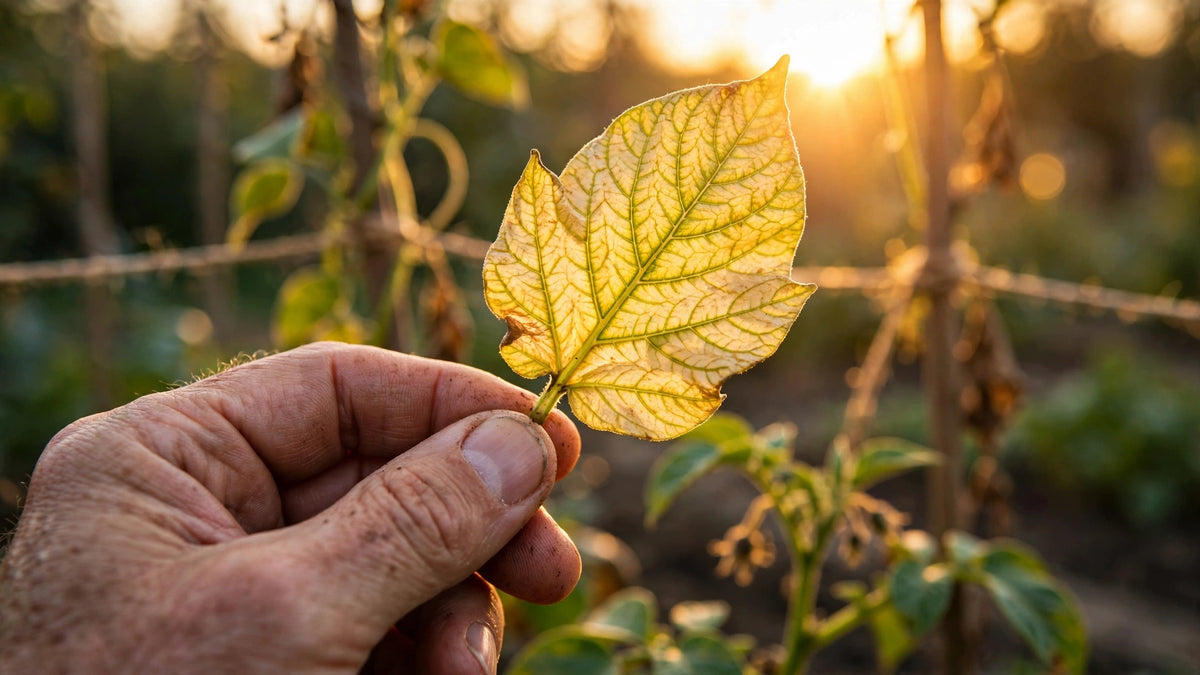
| Yellowing between leaf veins, green veins remain | Magnesium (Mg) | Older or mid-plant leaves | Apply Cal-Mag Extreme as soil drench |
| Yellowing between veins on newest growth | Iron or Manganese | Youngest, newest leaves | Check pH (above 7.0 locks out iron); apply humic acid |
| Blossom end rot on tomatoes and peppers | Calcium (Ca) | Not a leaf issue; fruit bottoms | Apply Cal-Mag Extreme immediately; improve soil moisture consistency |
| Distorted, cupped new growth | Calcium (Ca) or Boron (B) | New growth and shoot tips | Cal-Mag Extreme; consistent watering (Ca is mobility-dependent on water) |
| Pale, washed-out color overall | Sulfur (S) or general nutrient shortage | Newer leaves | Apply balanced organic fertilizer; test soil pH |
Calcium and magnesium deficiencies are the most common nutrient problems in actively-producing vegetable gardens, and they tend to appear together. Cal-Mag Extreme corrects both simultaneously and includes a supporting cast of micronutrients that improve overall plant health. Apply as a soil drench at 1-2 tsp per gallon every 2-3 weeks, or use it as a foliar spray at half strength for faster uptake when symptoms are acute. Keep a bottle in your garden shed all season.
Soil Health: The Foundation You Can't Skip
Fertilizer works best in healthy soil. In compacted, biologically depleted, or chemically imbalanced soil, even the best fertilizer program underperforms because the physical and biological infrastructure for nutrient delivery is broken.
Two products address this at the foundation level.
Organic Liquid Humic Acid improves soil structure, enhances cation exchange capacity (which determines how well your soil holds nutrients), and stimulates beneficial microbial activity. It also chelates minerals, making them more available to plant roots. In practice, adding humic acid to your routine means every fertilizer you apply gets absorbed more efficiently. Apply as a monthly soil drench throughout the growing season, or include it in your pre-season bed preparation.
Fish & Kelp Liquid Blend Organic combines two of the most effective organic inputs available. Fish provides a complete nutrient profile including nitrogen, amino acids, and trace minerals. Kelp delivers natural growth hormones — cytokinins and auxins — that stimulate root branching, delay plant aging, and improve stress tolerance. Together they form one of the most versatile products in a vegetable garden. Use it throughout the season as a soil drench or foliar spray, especially after transplanting and after heavy harvests.
Common Fertilizing Mistakes in Vegetable Gardens
Mistake 1: Fertilizing on a Calendar Instead of by Stage
Applying the same fertilizer every two weeks regardless of what your plants are doing is one of the most common problems. A tomato plant in week 3 and a tomato plant in week 8 have almost nothing in common nutritionally. Match the formula to the stage, not the date.
Mistake 2: Over-Fertilizing Nitrogen at the Wrong Time
High nitrogen when plants are trying to flower causes them to redirect energy into vegetative growth instead of fruit production. The result is beautiful, dark green plants with disappointing yields. When you see flower buds, stop feeding nitrogen-heavy products.
Mistake 3: Ignoring Soil pH
You can add all the fertilizer in the world, but if your soil pH is outside the 6.0-7.0 range, many of those nutrients become chemically unavailable. Phosphorus locks up below pH 6.0. Iron and manganese lock up above pH 7.0. A $15 soil test tells you what's actually happening.
Mistake 4: Fertilizing Stressed Plants
Plants that are drought-stressed, heat-stressed, or waterlogged cannot take up nutrients properly. Fertilizing them anyway doesn't help — it adds salt load to the soil and can make things worse. Correct the stress first (water, shade, drainage), wait 24-48 hours, then fertilize.
Mistake 5: Skipping Calcium Until You See a Problem
By the time you see blossom end rot, the plant has already lost those fruits — there's no reversing it mid-season. Calcium deficiency is a preventable problem. Build it into your program from the moment fruit starts forming and you'll almost never see blossom end rot.
When in doubt, underfeed rather than overfeed. Most vegetable garden problems blamed on nutrient deficiency are actually overwatering, compacted soil, or pH issues. More fertilizer makes these worse. Start with half the recommended dose and increase if you don't see a response in 10-14 days.
Fertilizing in Containers and Raised Beds
Container and raised bed growing changes the fertilizer equation in important ways. The most significant difference: nutrients leach out of contained growing media much faster than in-ground soil, because every watering pushes water — and dissolved nutrients — through the medium and out the drainage holes.
The practical implications:
- Fertilize more frequently — every 7-10 days rather than every 2 weeks for liquid applications
- Calcium and magnesium deplete fastest; a regular Cal-Mag program is non-negotiable in containers
- Soil biology is limited in potting mixes; add a compost or biology product at the start of each season and again mid-season to compensate
- Watch pH more carefully — container soils drift acidic over the season as fertilizers and organic matter break down
| Factor | In-Ground | Raised Bed | Container |
|---|---|---|---|
| Nutrient retention | High | Medium | Low — leaches fast |
| Fertilizer frequency | Every 2-3 weeks | Every 1-2 weeks | Every 7-10 days |
| Soil biology | Strong if maintained | Moderate | Limited in potting mix |
| pH stability | Stable | Monitor seasonally | Drifts — test regularly |
| Ca/Mg risk | Moderate | Moderate-high | High — supplement always |
Frequently Asked Questions
How often should I fertilize my vegetable garden?
For liquid organic fertilizers, every 10-14 days is a good baseline for in-ground beds. Containers and raised beds need more frequent applications — every 7-10 days — because nutrients leach out faster. During peak growth, you can apply foliar sprays weekly without risk of over-fertilization if you're using diluted, organic formulas.
Can I use the same fertilizer on all my vegetables?
A balanced all-purpose fertilizer works fine as a baseline, but specific crops perform better with targeted nutrition. Tomatoes and peppers benefit from a calcium supplement. Leafy greens want more nitrogen than fruiting crops. Beans and peas need almost no nitrogen at all. A one-size-fits-all approach produces average results; a tailored approach produces noticeably better ones.
Is organic fertilizer as effective as synthetic?
For most vegetable gardens, yes — and over time, organic programs outperform synthetic ones because they build soil health rather than depleting it. The tradeoff is speed: organic fertilizers act more slowly than synthetic. For an acute deficiency correction, a fast-acting organic liquid (like Amino Power Powder) is the right tool. For long-term soil building, a consistent organic program wins.
What's the best fertilizer for tomatoes specifically?
Tomatoes need a three-part approach: high nitrogen early in the season, a transition to phosphorus at flower formation, and consistent calcium throughout fruiting. MaterAid Super Tomato Plant Food covers the base, and Cal-Mag Extreme handles the calcium/magnesium side of the equation. Those two products together address the full nutrient profile of a producing tomato plant.
My vegetable garden looks healthy but production is disappointing. Why?
Lush, green plants that produce poorly are almost always getting too much nitrogen relative to phosphorus and potassium. Nitrogen drives leaf growth; phosphorus and potassium drive reproductive output. If your plants look great but aren't fruiting well, cut nitrogen and increase a bloom-focused fertilizer. You should see a shift within 2-3 weeks.
When is it too late in the season to fertilize?
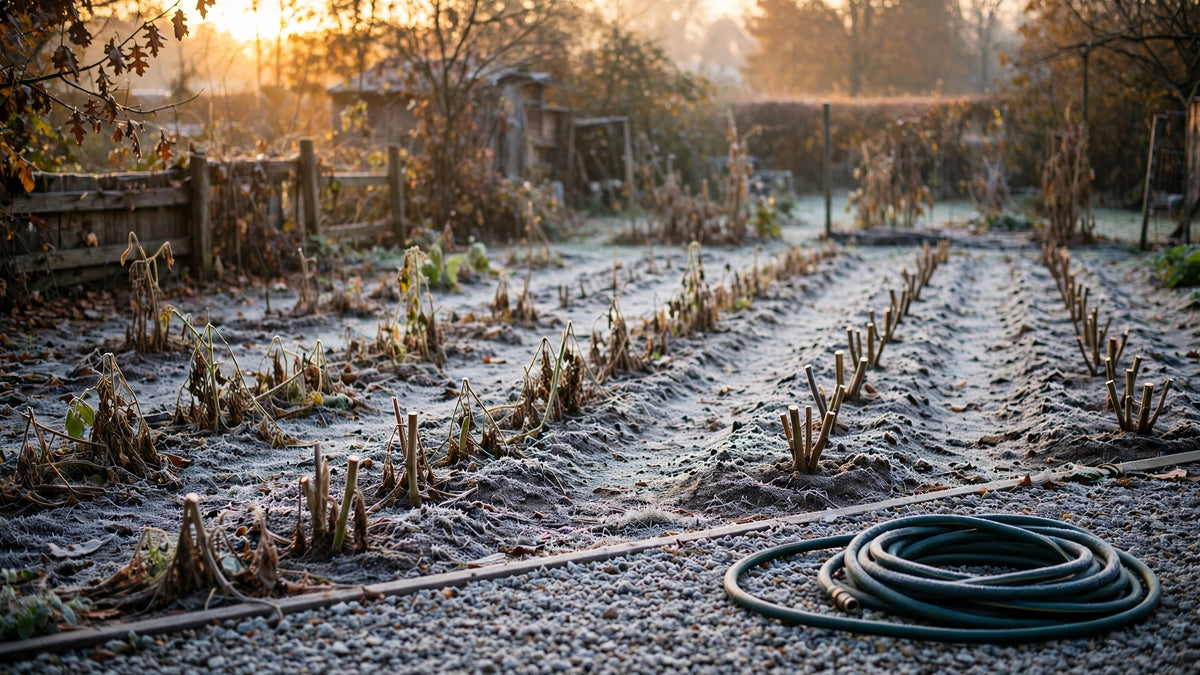
Stop fertilizing 3-4 weeks before your expected first frost date. At that point, encouraging new growth works against the plant — it needs to slow down and harden off, not push tender new shoots. A final kelp application to support stress tolerance and ripening is fine, but hold off on nitrogen-heavy products from late summer onward in cold-climate gardens.
The Short Version
Fertilizing a vegetable garden well comes down to three things: knowing what your plants need at each stage, maintaining healthy soil biology so those nutrients can actually be absorbed, and watching your plants closely enough to catch problems before they cost you a harvest.
The right inputs make a real, measurable difference. But no product substitutes for paying attention. A garden that gets walked through every morning, where someone notices the slight yellowing on the lower leaves before it spreads, the flower bud forming on the tomato two weeks ahead of schedule, the squash leaves beginning to show interveinal chlorosis — that garden will outperform one running a perfect fertilizer program on autopilot every single time.
Start with healthy soil. Feed consistently. Adjust what you observe. That's the whole system.
Share:
How to Harvest Dill: A Step-by-Step Guide
How to Add Nitrogen to Your Soil: A Complete Guide