

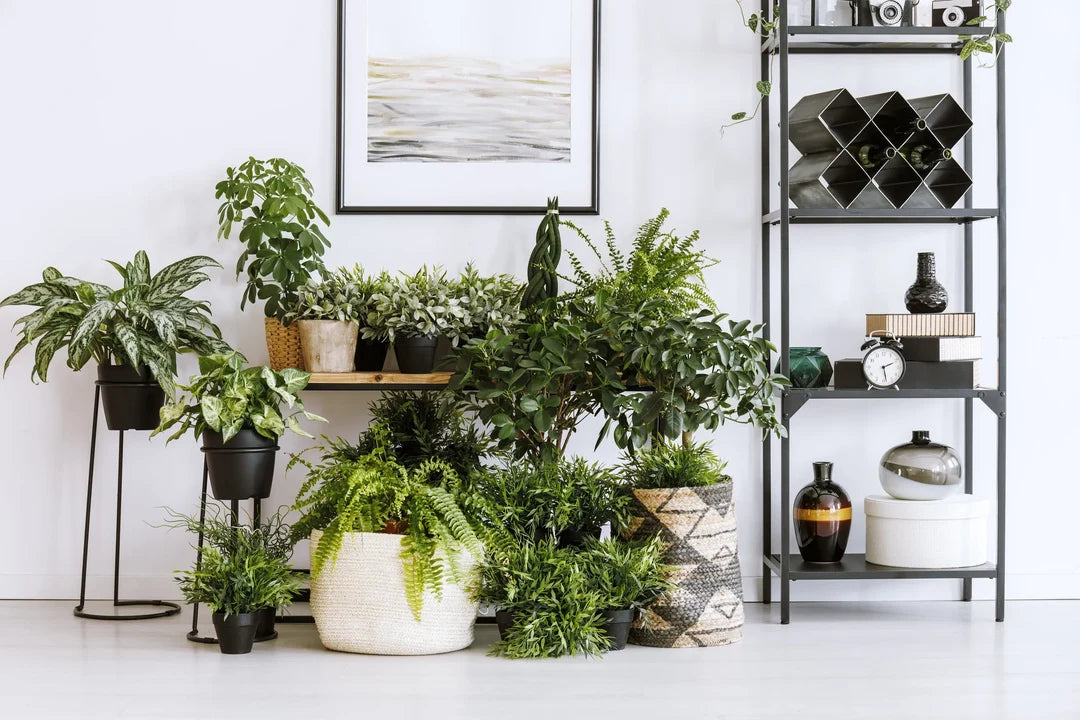
The best indoor potting mix holds moisture without leaving roots waterlogged. There’s no single bag that suits every plant: choose by the ingredients, your pot’s drainage and how quickly the mix dries in your home. If water runs straight through a shrunken root ball, rewet it before buying new soil.
Is potting mix different from potting soil, and does the label matter?
Most standard houseplant mixes are soilless, meaning they contain no garden soil. Peat or coir forms the moisture-holding base, while ingredients such as perlite create space for air. “Potting soil” is used loosely on bags, so the name alone won’t tell you how the contents behave.
Read the ingredients before choosing a brand. A moisture-retentive mix may suit a pot that dries quickly in a heated room, but stay wet too long in a large container under low light. Bark and perlite help keep air spaces open. The right balance depends on how much water your plant actually uses between waterings.
Why does peat-based mix shrink and refuse to rewet in winter?
Once peat dries thoroughly, it can become water-repellent, or hydrophobic. The mix contracts and pulls away from the pot wall. Water poured on top follows that gap to the drainage hole instead of soaking into the root ball.
Indoor heating can speed up drying, but water running through a pot isn’t proof that the roots are dry. Check the mix itself. A shrunken root ball with a dry center needs rewetting; a pot that remains heavy and wet at depth needs time to dry.
How do you rewet a shrunken pot without wasting water?
Soaking works better than pouring. Water poured onto a dry surface runs down the gap beside the pot wall, so the center stays dry. Soaking lets the mix draw moisture in from below.
- Fill a tub with room-temperature water. Use enough water to let the pot absorb moisture through its drainage holes.
- Set the pot in the water and watch the surface of the mix. It will darken as moisture reaches it.
- Wait until the surface darkens and bubbles stop rising from the mix. Judge by those signs rather than a fixed soaking time.
- Lift the pot out and let it drain completely before returning it to its saucer or decorative cover.
- Lift the drained pot to learn its watered weight. At the next watering, check that water soaks into the mix rather than escaping down the sides.
Repeatedly pouring water onto a dry, cracked surface can leave the center untouched. Soaking gives the root ball time to absorb moisture. A bio-blend cannot substitute for this step: rewet the mix before considering an amendment.
Is the root ball dry, airless or rotting?
A struggling plant doesn’t automatically need fertilizer or fresh soil. Check moisture below the surface before deciding what to change.
- Dry and hydrophobic: The mix has pulled away from the pot wall, the center feels dry and water escapes around the edges. Use the soaking method above.
- Wet and airless: The mix stays soggy at depth, often in an oversized pot or one left standing in water. Empty the saucer and allow the mix to dry before watering again.
- Possibly rotting: A sour smell or soft stem bases call for a root inspection, not another feeding.
What fungus gnats and yellow leaves usually mean
Fungus gnats usually point to a surface that stays wet too long, rather than a bad bag of soil. Let the top inch or so dry between waterings, where appropriate for the plant, and empty standing water from saucers.
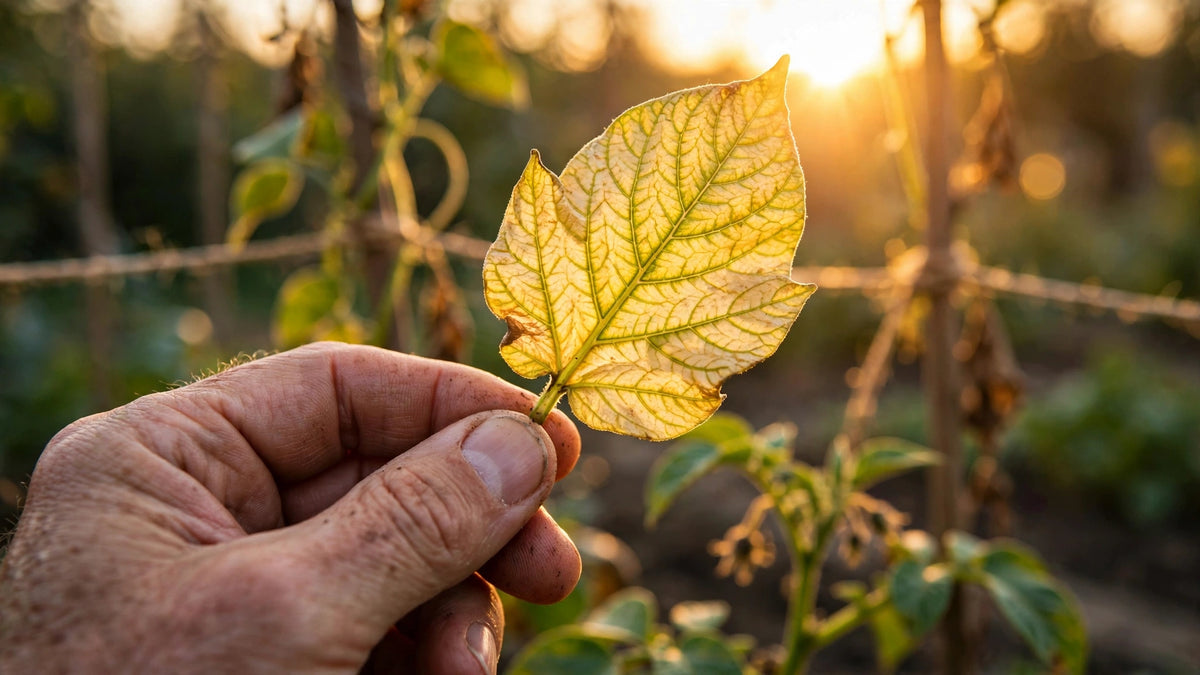
Winter yellowing is more often a watering or light problem than a feeding problem. Under short days, many houseplants grow slowly and use less water. Check for wet roots and inadequate light before adding fertilizer; feeding won’t correct either condition.
When to stop and call a professional
A sour-smelling root ball or stems that feel soft at the base can indicate rot. Stop adding products and ask a local nursery or plant professional to assess the roots. Damaged roots may need trimming before the plant goes into fresh mix; a soil conditioner cannot restore rotted tissue.
Should you repot in late autumn or top-dress the surface?
For most tropical houseplants growing slowly in late autumn, a gentle surface refresh is safer than moving into a larger pot. Extra mix can stay wet around roots that aren’t using much water. Remove only loose surface material and replace it without digging into the root ball.
Save routine repotting for spring, when growth resumes. Suspected rot or a severely crowded root system needs a separate assessment rather than waiting automatically for the calendar. If the existing mix has simply shrunk and dried out, rewet it first.
Where do concentrated bio-blends fit, and what can they not do?
Concentrated bio-blends and humic materials are soil conditioners. They can help support mix structure and microbial life, but they don’t create drainage holes or correct waterlogging. Use them in a functioning root zone, not as a treatment for rotting roots.
Follow the product’s application directions. For solid amendments, work gently within the top few centimeters rather than digging into the root ball; apply liquid conditioners at their labeled dilution. Our Turbo Soil Bio-Blend is a concentrated organic soil amendment for revitalizing exhausted beds and potting mixes. Consider it after you’ve confirmed that the pot drains and the root ball takes up water evenly.
How should winter watering and feeding change?
A heated room can dry a small pot quickly while an oversized container stays wet below the surface. Lift the pot after watering to establish its wet weight, then check a finger’s depth before watering again. For many common houseplants, a dry top inch and a lighter pot are more useful signals than a weekly schedule.
Keep fertilizer light through the darkest months. Plants growing slowly under low light take up fewer nutrients, and excess fertilizer can leave salts in the mix. Don’t increase feeding to chase yellow leaves before checking moisture and light.
Plants actively growing under adequate light may still need feeding in winter. Follow the fertilizer label’s houseplant directions and adjust for growth rather than treating every plant as dormant.
What should you check before buying any bag of soil?
- Drainage holes: Check that the growing pot has open holes. Even an airy mix can remain waterlogged in a container with no outlet.
- Standing water: Lift the nursery pot out of its decorative cover and empty trapped water. Check the saucer after watering, too.
- Crowded roots: Look for a dense mat of roots filling the container. If roots have little usable mix left, assess whether the plant needs repotting rather than another surface amendment.
If these checks reveal no problem and the mix still needs conditioning, review the Turbo Soil Bio-Blend application directions before ordering. Choose the product for that role, not as a substitute for fixing drainage or watering.
Frequently asked questions
What is the difference between potting soil and potting mix for indoor plants?
Potting mix is usually soilless, with peat or coir as its moisture-holding base and perlite for air space. “Potting soil” is a less precise label, so read the ingredients rather than relying on the name. Choose a mix that drains well without drying faster than you can reasonably water.
Why does my potting mix pull away from the pot in winter?
Peat-based mix can shrink as it dries, especially in a heated room. Once dry, it may resist water, allowing it to escape down the gap beside the pot wall. Soak the pot in room-temperature water until the surface darkens and bubbling stops, then drain it fully.
Should I repot houseplants in late autumn or just top-dress them?
For most tropical houseplants growing slowly in late autumn, a gentle top-dress is safer than moving into a larger pot. Extra potting mix may stay wet longer than the roots can tolerate. Save routine repotting for active growth, but seek advice promptly if you suspect root rot.
Do bio-blend soil amendments replace good drainage?
No. Bio-blends condition the mix, but they cannot correct standing water or restore rotting roots. Confirm that the pot drains and rewet any water-repellent root ball before adding a conditioner according to its label.
Should houseplants be fed during winter?
Reduce feeding when growth slows under low light. A plant actively growing with adequate light may still need fertilizer, following the label’s houseplant directions. For yellow leaves, check watering and light before feeding more.
Share:
Cattle Pasture Compaction: What to Check and Fix This Fall
Christmas Cactus Fertilizer: When to Feed and When to Stop