Key Takeaways
-
Humic acid is a natural organic compound that improves nutrient uptake, soil structure, and microbial activity in vegetable gardens.
-
Both clay and sandy soils benefit from humic acid. It loosens compacted soil and helps loose soil retain more water and nutrients.
-
Humic acid works alongside fertilizers to make nutrients more bioavailable, meaning your vegetables get more out of every feeding.
-
GS Plant Foods’ Organic Liquid Humic Acid acts as a natural chelator, binding essential minerals like iron and zinc and releasing nutrients for immediate plant absorption. It is 100% organic, eco-safe, non-toxic, and safe for pets, kids, pollinators, and indoor plants.
How Humic Acid Works for Vegetable Gardens
Humic acid is one of the most effective soil amendments available, and it works at a fundamental level by improving how your soil functions, how roots absorb nutrients, and how resilient your plants become over an entire growing season.
It is one of the primary components of humus and forms over thousands of years through the natural breakdown of plant and animal material, a process called humification.
When used correctly for vegetable gardens, it mimics and accelerates the same biological processes that build healthy soil in nature. It detoxifies the soil, stimulates root growth, and helps build a thriving soil microbiome.
You can apply humic acid to your vegetable garden using the soil drench method, or coat the seeds before planting. You can also apply it in granular form, slowly releasing it into the soil over time.
|
GS Plant Foods: Organic Fertilizers That Actually Work 12+ Years Proven Results | Trusted by 1M+ Customers | Pet & Kid-Safe
Grow Naturally Without Compromise:From bestselling Liquid Fish to proprietary blends like Green Envy, GS Plant Foods delivers professional-grade nutrition using kelp, humic acid, and seaweed extracts. Whether you're nurturing orchids, reviving your lawn, or caring for houseplants, their organic formulas absorb faster and reduce runoff—giving you visible results without harsh chemicals. Why Gardeners Choose GS:
Your plants deserve nutrition that works as hard as you do. |

Benefits of Humic Acid for Vegetable Gardens
Makes Nutrients More Available to Plant Roots
One of humic acid's most important functions is chelation. In this process, humic acid molecules bind to mineral nutrients and keep them in a form that plant roots can actually absorb.
Many nutrients applied through fertilizers get locked up in the soil due to pH imbalances or chemical reactions, making them unavailable to plants even when they're technically present. Humic acid acts as a bridge, keeping those nutrients mobile and accessible.
Improves Soil Structure in Clay & Sandy Soils
Humic acid improves soil structure in two distinct and opposite situations, making it uniquely versatile. In heavy clay soils, it creates tiny air pockets and improves drainage so roots aren't sitting in waterlogged conditions.
In sandy or loose soils, it binds particles together, boosting the soil's ability to retain moisture and nutrients that would otherwise drain away too quickly.
Detoxifies Soil by Locking Away Heavy Metals & Pesticides
Because of its strong negative charge, humic acid binds to heavy metals such as lead, cadmium, and mercury, as well as to residual pesticide compounds, effectively immobilizing them so plant roots can't absorb them.
This makes humic acid a particularly smart choice for vegetable beds and lawns where children and pets spend time, reducing the presence of harmful compounds in the soil they're in contact with every day.
Stimulates Root Growth & Seed Germination
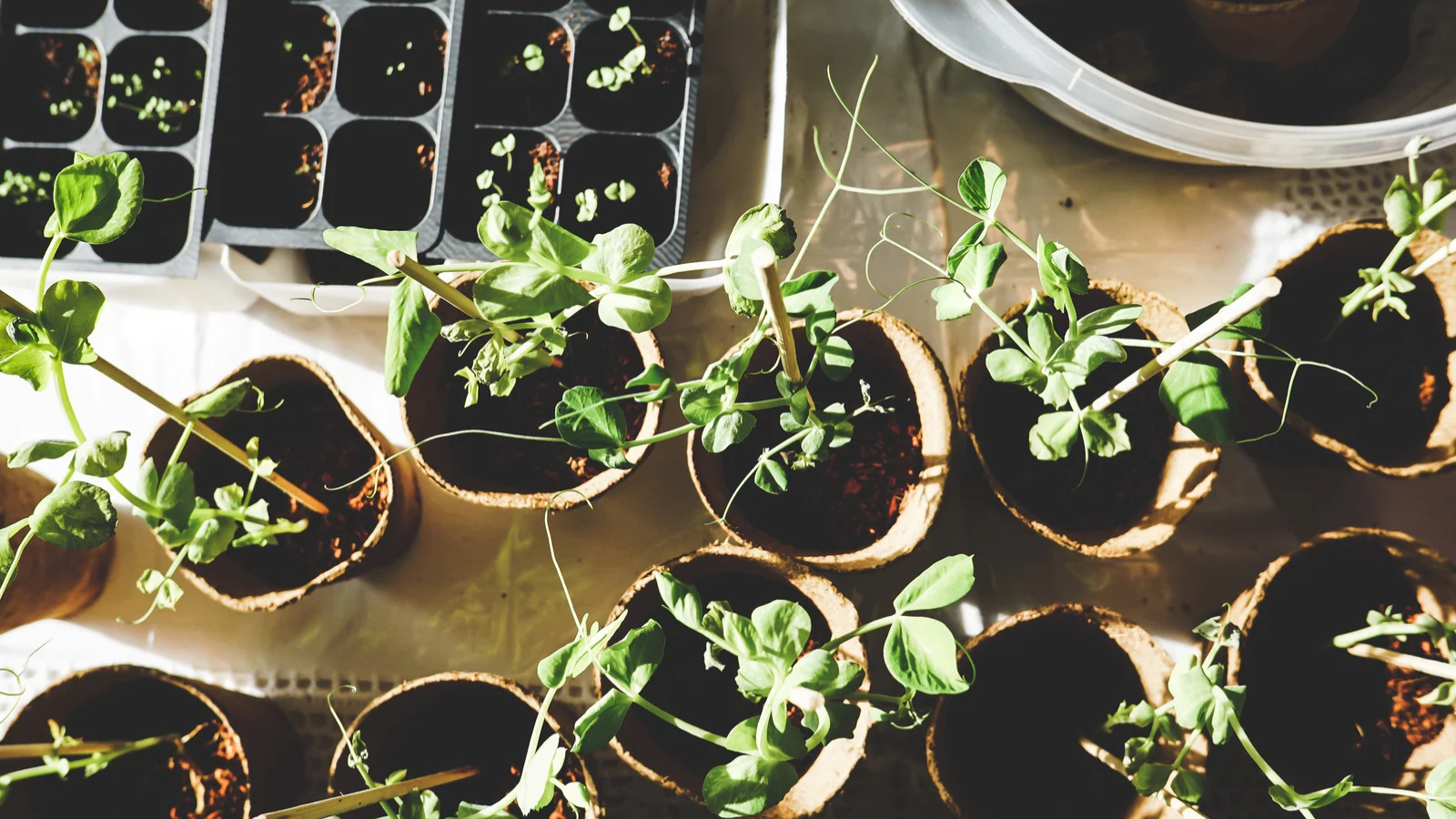
Humic acid is commonly used as a seed treatment because it activates plants at an embryonic level, triggering faster germination and early root development.
For vegetable gardeners, this translates directly into stronger transplants, faster sprouting from direct-sown seeds, and plants that are better equipped to handle stress from the very beginning of their life cycle.

Humic acid triggers faster germination in plants.
Builds a Thriving Soil Microbiome
Applying humic acid feeds the beneficial microorganisms that make healthy soil function. Bacteria, fungi, and other soil organisms use humic substances as a carbon source.
When they thrive, they break down organic matter more efficiently, fix nitrogen, and suppress harmful pathogens that can devastate vegetable crops.
How to Apply Humic Acid to Your Vegetable Garden
Humic acid is available in two primary forms: liquid concentrate and granular powder. Each has its place in a vegetable garden, and the right choice depends on what you're trying to achieve and when you're applying it.
Liquid forms work faster and are ideal for in-season feeding, while granular forms release more slowly and are better suited for building soil health over time.
Soil Drench: The Most Direct Application Method

A soil drench delivers liquid humic acid directly to the root zone of your vegetable plants.
The soil drench method is particularly effective when vegetables are actively growing and have high nutrient demands, making mid-season applications to heavy feeders like tomatoes, squash, and corn the sweet spot for the most noticeable results.
-
Water the Soil First if it's Dry: Applying to already-moist soil ensures the solution penetrates deeply rather than running off the surface.
-
Mix the Solution: Dilute liquid humic acid concentrate according to product directions, which is typically 1 to 3 ounces per gallon of water. Use the lower end for maintenance feedings and the higher end for heavy-feeding crops or soil that hasn't been amended recently.
-
Apply Directly at the Base of Each Plant: Use a watering can or hose-end sprayer and saturate the root zone thoroughly, distributing the solution evenly across garden beds rather than concentrating it in one spot.
-
Time Your Application for Early Morning or Late Afternoon: Avoid midday heat, which causes rapid evaporation and reduces the amount of solution that actually reaches the soil and down to the roots.
-
Repeat Every 2 to 4 Weeks. Maintain this schedule throughout the active growing season for consistent results. Every two weeks is ideal for heavy feeders and high-production beds; every four weeks is sufficient for lighter crops and established plantings.
Seed Coating Before Planting
Treating seeds with liquid humic acid before planting is a simple step that pays off significantly at germination. The humic acid activates the seed's own enzymes, accelerates germination, and helps the emerging seedling develop a more robust root system from day one.
-
Mix the Soaking Solution: Dilute liquid humic acid in water at a ratio of roughly 1 ounce per quart. You only need just enough to submerge the seeds you're planning to plant fully.
-
Soak Seeds for 8 to 12 Hours: Place seeds in the solution and let them sit at room temperature. Eight hours is sufficient for most vegetables; push closer to 12 for hard-coated or notoriously slow-germinating varieties like peppers and parsnips.
-
Remove and Sow Immediately: Once the soak is complete, drain the seeds and plant them right away while they're still moist. Don't let treated seeds dry out before planting. The goal is to carry that humic acid contact straight into the soil where germination begins.
-
Plant at Normal Depth & Spacing: No adjustments are needed to your usual planting method. The humic acid treatment works beneath the surface, so your standard seed depth, spacing, and watering routine all stay the same.
Granular Application for Long-Term Soil Building
Granular humic acid releases slowly over time, providing a sustained source of humic substances that continue improving soil structure and microbial activity across multiple growing seasons.
-
Determine Your Application Rate: For new garden beds, plan on approximately 40 to 50 pounds per 1,000 square feet. For established beds with decent organic matter, a lighter top dressing of 10 to 20 pounds per 1,000 square feet, applied each season, is enough to maintain and gradually improve soil quality.
-
Spread Evenly Across the Bed: Distribute the granules as uniformly as possible over the entire planting area. Avoid dumping in piles or concentrating in one section; consistent coverage ensures every part of the bed benefits equally.
-
Incorporate into the Soil for New Beds: Till or fork the granules into the top 6 to 8 inches of soil before planting. For established beds, simply top dress and let watering and natural soil activity work the granules down over time.
-
Apply Once at the Start of Each Growing Season: The slow-release nature of granular humic acid means a single seasonal application does the heavy lifting. The natural breakdown process feeds soil biology steadily rather than delivering everything at once and tapering off.
Give Your Vegetable Garden a Treat with GS Plant Foods' Organic Liquid Humic Acid

GS Plant Foods’ Organic Liquid Humic Acid is perfect for lawns and vegetable gardens.
Better nutrient uptake, stronger root systems, improved soil structure, and increased stress resistance start with getting the right humic acid into your soil. At GS Plant Foods, our Liquid Humic Acid is 100% organic. It is derived from premium Leonardite and compost, and packed with both humic and fulvic acids that chelate essential minerals like iron and zinc for immediate plant absorption.
This product is eco-safe, non-toxic, and completely safe to use around pets, kids, pollinators, and edible plants. As such, you can treat your vegetable garden without worrying about what's going into the food you're growing.
If you're building new vegetable beds from scratch or maintaining established rows of tomatoes, peppers, and squash, our Liquid Humic Acid works at the soil level to help other inputs absorb more efficiently.
Ready to grow healthier vegetables? Try our Organic Liquid Humic Acid.
Frequently Asked Questions (FAQs)
Can I use humic acid on all vegetables?
Yes. Humic acid is beneficial across the full range of vegetable crops, from leafy greens like spinach, kale, and lettuce to heavy-feeding fruiting crops like tomatoes, peppers, cucumbers, and squash.
Root vegetables like carrots, beets, and radishes respond particularly well because improved soil structure directly benefits root development and expansion.
How quickly will I see results after applying humic acid?
The timeline depends on your soil's starting condition and the form of humic acid you apply. Liquid applications typically show results within 1 to 3 weeks, while granular forms build soil health more gradually over an entire growing season.
Can I apply humic acid at the same time as fertilizer?
Yes, humic acid and fertilizer work synergistically. The chelating properties of humic acid make fertilizer nutrients more bioavailable, meaning your plants absorb a greater percentage of what you apply.
This is especially important for mineral fertilizers, where nutrient lockup in the soil is a common problem.
How often should I apply humic acid to my vegetable garden?
For liquid humic acid, apply every 2 to 4 weeks throughout the active growing season. High-demand crops like tomatoes, corn, and squash benefit from applications closer to every 2 weeks during peak fruiting and growth periods.
For granular humic acid, a single application at the start of the season during bed preparation is typically sufficient, with an optional light top-dressing at mid-season for beds growing heavy feeders.
What sets GS Plant Foods' Organic Liquid Humic Acid apart from other products?
GS Plant Foods' Organic Liquid Humic Acid is concentrated and OMRI-listed for organic use. It is a non-toxic, eco-friendly, and child-friendly formulation derived from high-quality leonardite, which consistently delivers a high percentage of active humic substances to the soil.
Plus, it’s available in liquid form and can be easily applied as a soil drench, added to irrigation systems, or used as part of a seed-soaking treatment. This makes it one of the most versatile humic acid products available for vegetable gardeners.
*Disclaimer: This information is for educational purposes only. Always follow product label instructions and consult with qualified professionals for advice specific to your region, climate, and growing conditions. Individual results may vary based on environmental factors, soil conditions, plant species, and care practices. For specific product recommendations and application rates, visit GS Plant Foods.
Share:
Fish Fertilizer for Plants: Benefits & Uses
Liquid Kelp for Plants: Benefits, Application & Where to Buy