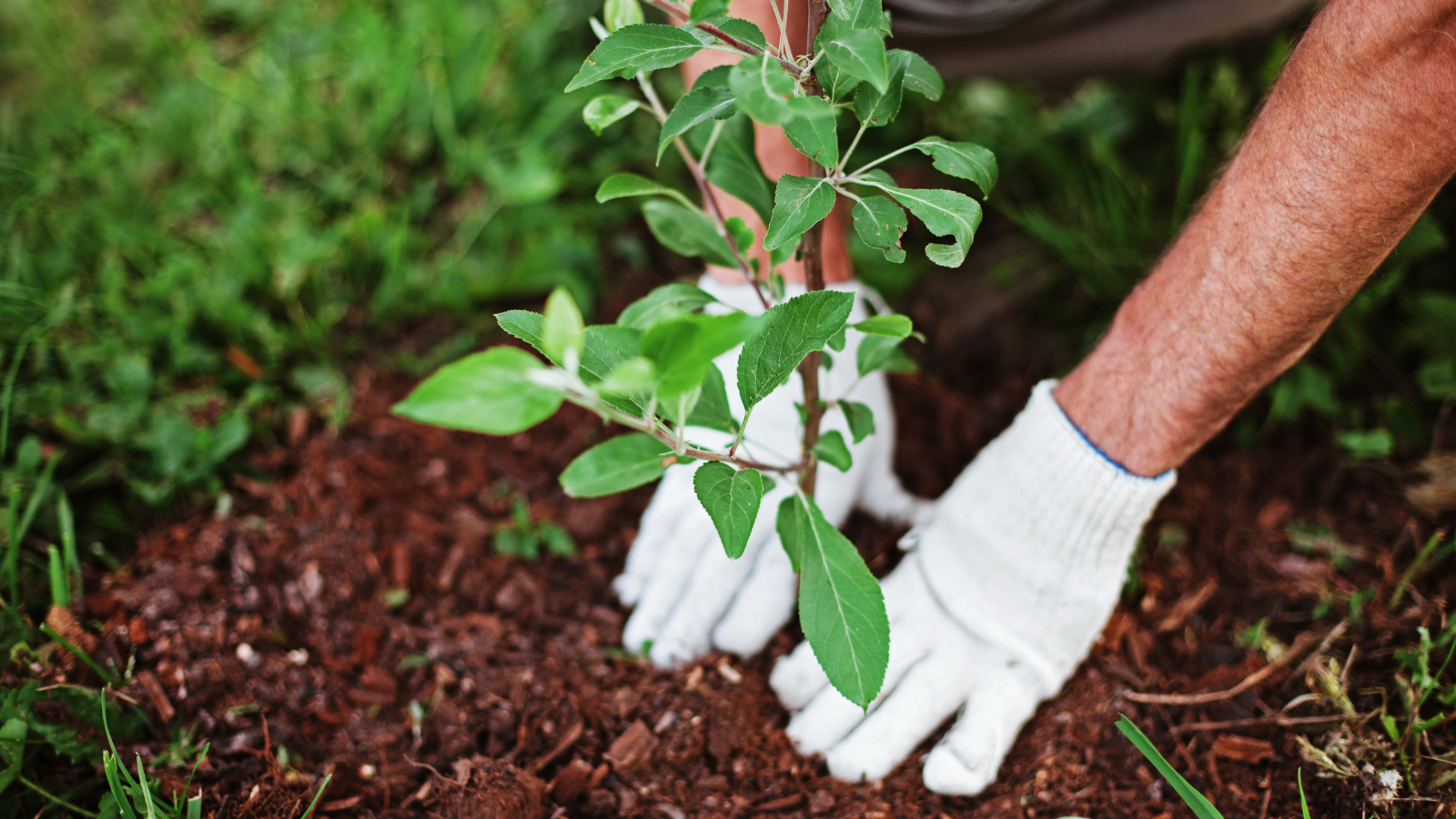
Healthy trees are not built with quick chemical fixes. They thrive when the soil ecosystem supports steady nutrition, microbial life, and strong root development. Organic fertilizers work differently from synthetic products — they feed both the tree and the soil, creating long-term resilience instead of short-term growth spikes.
This guide explains when to fertilize trees organically, which types of organic fertilizers work best, and how to apply them for consistent results.
Why Organic Fertilizer Matters for Trees
Trees are long-living systems. Unlike annual plants, they require balanced nutrition over time rather than fast-release feeding. Organic fertilizers improve soil structure, microbial diversity, and nutrient availability gradually.
Key benefits include:
-
Improved root development through natural soil biology
-
Reduced risk of fertilizer burn compared to synthetic salts
-
Better water retention and drought resilience
-
Increased nutrient cycling through microbes and fungi
-
Long-term soil regeneration instead of depletion
Organic inputs such as fish hydrolysate, kelp extract, humic substances, compost, and microbial blends provide nutrients in forms that trees can absorb slowly and safely.

When to Apply Organic Fertilizer to Trees
Timing is one of the most important factors in tree fertilization. Applying nutrients at the wrong stage can reduce effectiveness or push unwanted growth.
Early Spring: Root Activation and Growth
This is the primary feeding window for most trees. As soil temperatures rise, roots begin absorbing nutrients actively.
Best goals:
-
Stimulate root expansion
-
Support new leaf and branch growth
-
Strengthen microbial activity
Use balanced organic fertilizers with nitrogen, kelp, or humic acid during this phase.
Late Spring to Mid-Summer: Stress Support
During hot weather, trees experience drought stress and increased metabolic demand.
Focus on:
-
Kelp-based fertilizers for stress tolerance
-
Microbial or humic conditioners to improve nutrient uptake
-
Foliar feeding for quick absorption if needed
Avoid excessive nitrogen during extreme heat.
Early Fall: Root Strength and Preparation
Fall feeding helps trees store energy before dormancy.
Ideal inputs:
-
Humic and fulvic acids
-
Low-nitrogen organic blends
These support root development without forcing soft new growth that may be damaged by cold.
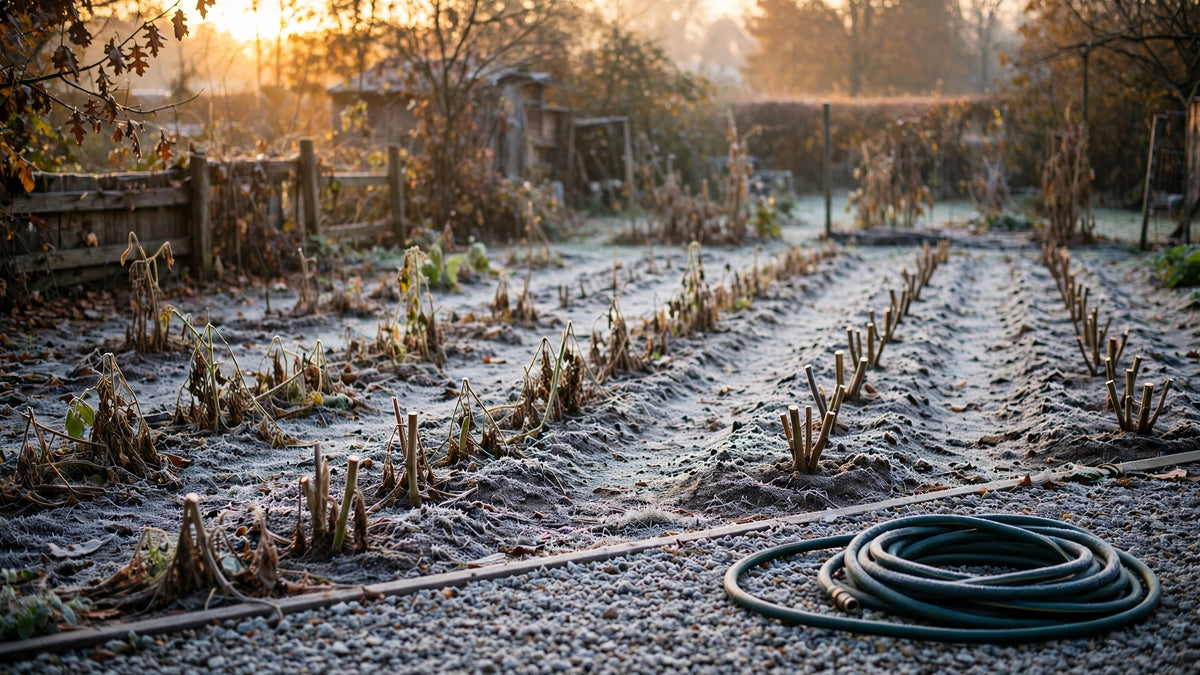
Winter: Usually Avoid Feeding
Most trees are dormant.
Heavy fertilization during winter is unnecessary unless you are correcting soil deficiencies in mild climates.
Types of Organic Fertilizers for Trees
Understanding fertilizer categories helps you choose the right product for specific tree needs.
Fish-Based Fertilizers
Fish hydrolysate provides natural nitrogen, amino acids, and trace nutrients. Unlike heat-processed emulsions, enzymatically processed fish retains oils and biological compounds that support fungal soil life.
Best uses:
-
Early-season feeding
-
Perennials and woody trees
-
Supporting microbial activity
Kelp and Seaweed Extracts
Derived from marine plants such as Ascophyllum nodosum, kelp fertilizers contain natural plant compounds that support stress tolerance.
Benefits include:
-
Root stimulation
-
Improved drought resistance
-
Enhanced nutrient uptake
Kelp works well during transplanting or environmental stress.

Humic and Fulvic Soil Conditioners
Humic substances improve soil structure and nutrient exchange. They help trees access minerals that may be locked in the soil.
Ideal for:
-
Sandy soils with poor nutrient retention
-
Clay soils with compaction
-
Improving cation exchange capacity (CEC)
Compost and Microbial Amendments
Compost-based fertilizers introduce beneficial microbes and organic matter.

Use them to:
-
Rebuild depleted soil
-
Support long-term nutrient cycling
-
Improve root-zone biology
Mycorrhizal and Biological Blends
These products introduce beneficial fungi that extend root networks.
Advantages:
-
Increased nutrient absorption
-
Improved drought tolerance
-
Better transplant success
How to Apply Organic Fertilizer to Trees
Application method matters as much as the product itself.
Soil Drench Application
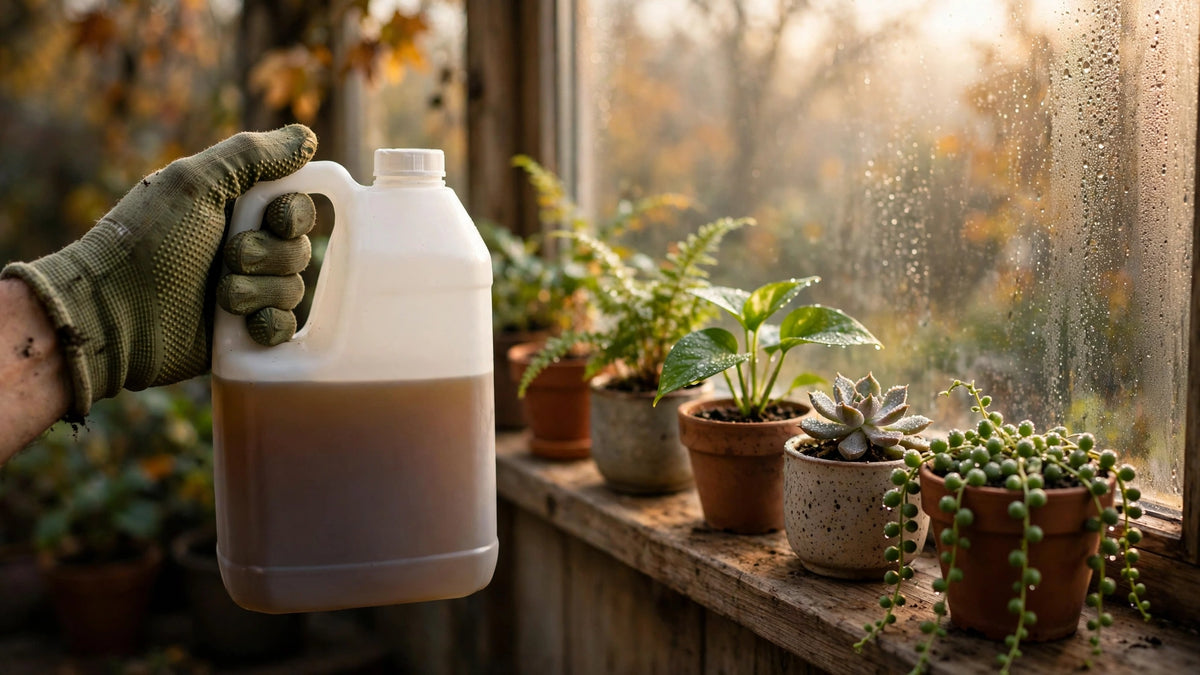
Liquid fertilizers diluted in water can be applied around the drip line — the area beneath the outer edge of the canopy.
Steps:
-
Dilute according to label instructions.
-
Water the soil first if it is dry.
-
Apply evenly around the root zone, not directly against the trunk.
This method supports deep nutrient absorption.

Foliar Feeding
Some organic fertilizers, especially kelp extracts, can be sprayed onto leaves.

Benefits:
-
Rapid nutrient uptake
-
Immediate stress support
-
Improved leaf health
Apply during cooler parts of the day to avoid evaporation.
Top Dressing for Granular Organics
Spread compost or granular organic fertilizer over the soil surface and water thoroughly.

Best for:
-
Slow-release nutrition
-
Long-term soil improvement
Matching Fertilizer to Tree Problems
Different symptoms require different organic solutions.
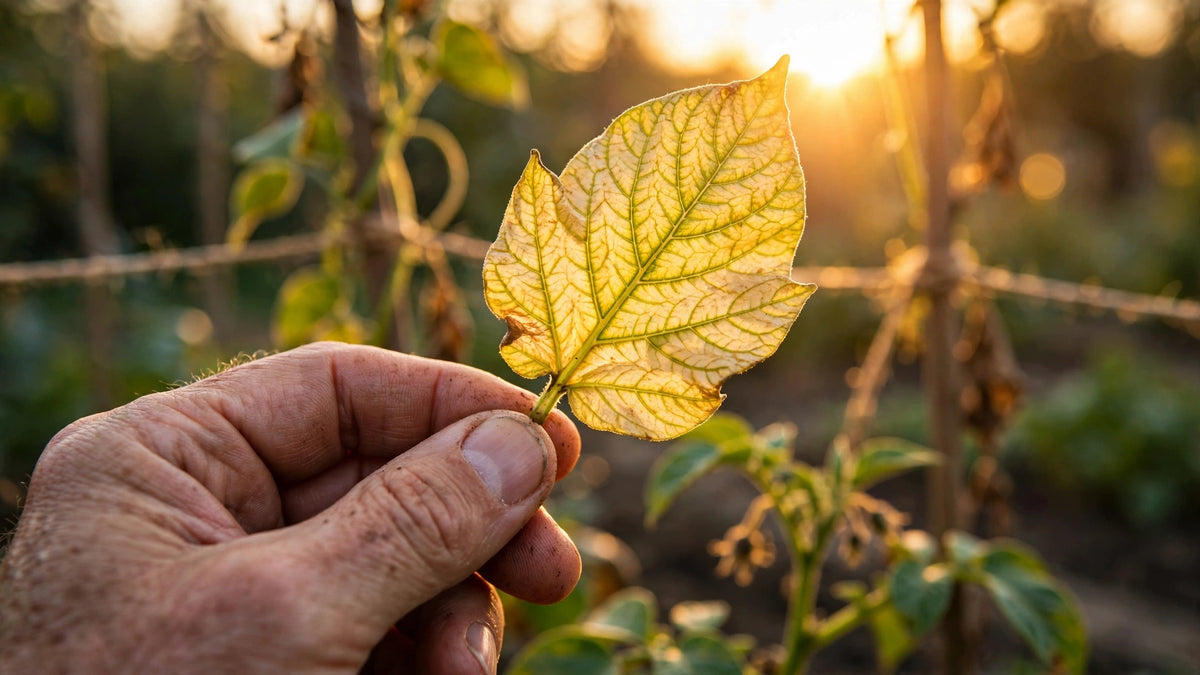
Yellowing Leaves (Chlorosis)
Often caused by nutrient lockout rather than lack of nutrients.
Recommended approach:
-
Use fulvic or humic conditioners to improve mineral availability.
-
Add kelp extract to stimulate uptake.
Slow Growth or Weak Branching
Usually linked to nitrogen deficiency or poor soil biology.
Solutions:
-
Apply fish-based organic fertilizer during active growth.
-
Improve microbial life with compost or biological blends.

Compacted Soil
Roots struggle when soil lacks oxygen.
Use:
-
Humic acid solutions to improve soil structure.
-
Soil aeration liquids combined with organic amendments.
Sandy Soil That Dries Too Fast
Low organic matter causes rapid water loss.
Improve with:
-
High-carbon humic amendments
-
Compost additions
-
Regular liquid feeding to maintain nutrient levels
Common Mistakes When Using Organic Fertilizer on Trees
Even natural fertilizers can be misused. Avoid these frequent errors:
-
Over-fertilizing mature trees that already have balanced soil
-
Applying high nitrogen late in the season
-
Fertilizing dry soil without watering first
-
Ignoring soil structure and focusing only on nutrients
-
Using only one product instead of building a complete soil system
Organic fertilization works best as a program that supports soil biology consistently.
Final Thoughts
Organic fertilizer for trees is not just about feeding plants — it is about rebuilding the soil environment that allows trees to thrive naturally. By choosing biologically active inputs, applying them at the right time, and focusing on root health, you create stronger trees with better resistance to drought, pests, and nutrient deficiencies.
Healthy soil leads to healthy trees, and organic fertilization provides the foundation for both.
Share:
Liquid Kelp for Lawns: Benefits, Uses & Where to Buy
Orchid Fertilizer: The Complete Feeding Guide for More Blooms