Key Takeaways
-
Soil conditioners improve lawn health by breaking up compaction and enhancing root growth, giving you a thicker, greener lawn with minimal effort.
-
The best soil conditioners balance your soil's pH while improving both water retention and drainage, solving multiple lawn problems with a single application.
-
Proper timing of soil conditioner applications (spring and fall) can significantly enhance their effectiveness and extend their benefits.
-
Unlike traditional lawn products, quality soil conditioners work with your soil's biology rather than against it, creating lasting improvements instead of temporary fixes.
-
Liquid soil conditioners like GS Plant Foods Soft Soil Liquid Aerator provide fast results. Formulated from an organic blend of kelp extracts and microbes, it naturally enhances soil aeration while strengthening your plants.
Why Your Lawn Needs Soil Conditioners
A lush, green lawn starts below the surface, and a quality soil conditioner is the fastest way to get there. When soil becomes compacted over time, grass roots struggle to access water, oxygen, and nutrients, no matter how much you water or fertilize.
Soil conditioners are specialized products designed to break up compacted soil, restore proper structure, and create an optimal environment for root development. They modify your soil's physical structure and biological activity, creating the perfect growing environment for lush, resilient grass.
For an effective soil conditioner that treats your lawn without endangering the environment, your pets, or your family, GS Plant Foods Soft Soil Liquid Aerator is a top pick.
This guide discusses the main benefits of using soil conditioners, the best options, and a step-by-step guide to applying them.
|
GS Plant Foods: Organic Fertilizers That Actually Work 12+ Years Proven Results | Trusted by 1M+ Customers | Pet & Kid-Safe
Grow Naturally Without Compromise:From bestselling Liquid Fish to proprietary blends like Green Envy, GS Plant Foods delivers professional-grade nutrition using kelp, humic acid, and seaweed extracts. Whether you're nurturing orchids, reviving your lawn, or caring for houseplants, their organic formulas absorb faster and reduce runoff—giving you visible results without harsh chemicals. Why Gardeners Choose GS:
Your plants deserve nutrition that works as hard as you do. |

Benefits of Using Soil Conditioners
Improved Drainage & Aeration
Poor drainage is the silent killer of otherwise healthy lawns. Quality soil conditioners loosen compacted soil particles, creating essential pore spaces that allow water to penetrate deeper rather than running off or pooling.
These same pore spaces enable oxygen to reach the root zone, which is crucial for root respiration and nutrient uptake. The improvement in soil porosity also encourages the growth of beneficial microorganisms, creating a thriving soil ecosystem that supports grass health from the ground up.
Enhanced Nutrient Absorption
Even the most nutrient-rich soil can't benefit your lawn if the grass roots can't access those nutrients. Soil conditioners improve nutrient availability by increasing the soil's ability to hold and release nutrients to plants. This means fertilizers and natural soil nutrients become more efficient and effective after conditioning.
Better Resistance to Drought & Disease
Lawns grown in properly conditioned soil develop deeper, more extensive root systems that can access moisture from lower soil profiles during dry periods. This natural drought resistance means less supplemental watering and fewer periods of stress that can trigger dormancy or die-back.
The improved soil biology also creates natural defense mechanisms against common lawn diseases. Beneficial microbes introduced by high-quality soil conditioners can outcompete harmful pathogens, reducing the incidence of dollar spot, brown patch, and other common lawn diseases.
Reduced Soil Compaction
Compacted soil is the number one obstacle to a thriving lawn. When soil particles are pressed tightly together from foot traffic, lawn equipment, and natural settling, the vital spaces between particles disappear.
Soil conditioners separate these compressed particles, creating channels for air, water, and roots to move freely. This expanded root zone directly translates to stronger, more drought-resistant grass that requires less frequent watering.
Long-term Soil Structure Improvement
Unlike fertilizers that provide a quick but temporary boost, quality soil conditioners deliver lasting benefits that improve season after season. The best formulations contain humic substances that actually alter the soil's physical structure over time, making improvements more permanent.
These organic compounds bind to clay particles, preventing them from compacting again while helping sandy soils retain more moisture.

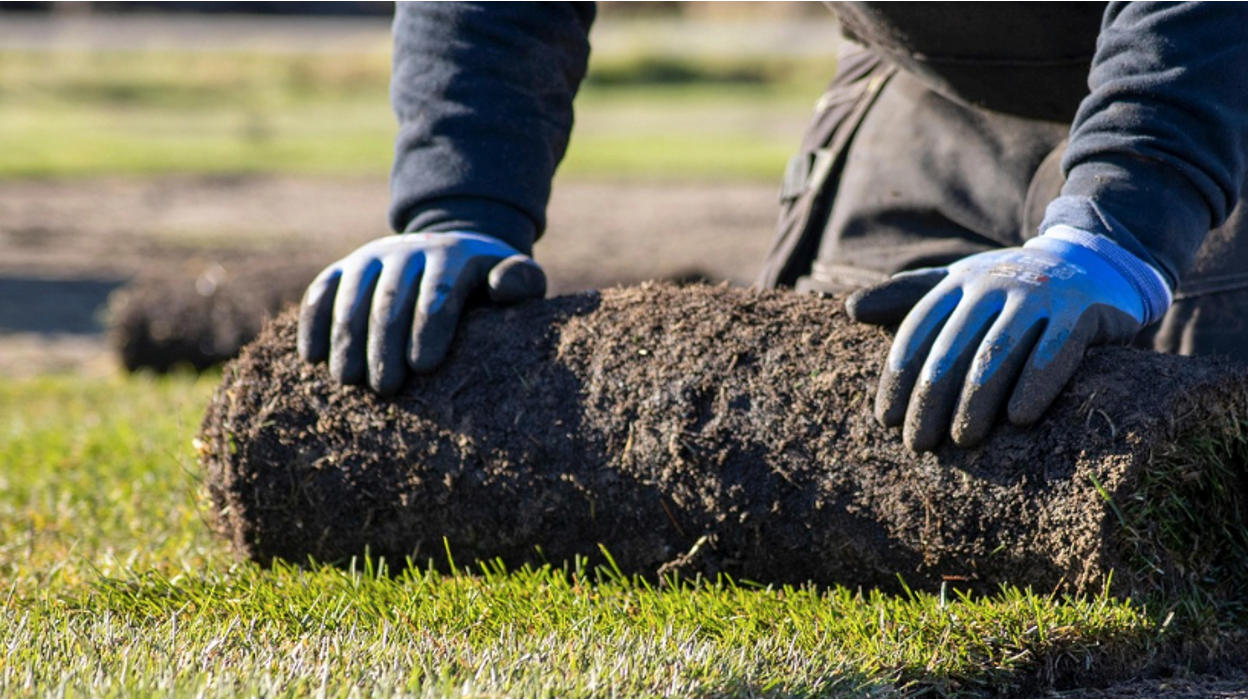
Soil conditioners loosen soil, preventing compaction.
3 Best Soil Conditioners for a Lush, Green Lawn
1. GS Plant Foods Soft Soil Liquid Aerator

GS Plant Foods Soft Soil Liquid Aerator is compatible with all grass types.
If you're dealing with compacted, lifeless soil that refuses to cooperate no matter how much you water or fertilize, GS Plant Foods Soft Soil Liquid Aerator offers a refreshingly simple solution.
This organic, non-mechanical liquid treatment loosens hardened soil from within, improves drainage, and delivers essential nutrients directly to the root zone. It's compatible with all grass types, including Bermuda, Kentucky Bluegrass, and Zoysia, making it a versatile choice for virtually any landscape.
Its eco-friendly, pet-friendly, and non-toxic formulation contains humic and fulvic acids that work to rebuild soil structure and stimulate beneficial microbial activity. It also contains kelp extract, which supplies essential micronutrients that strengthen root systems from the ground up.
The Soft Soil Liquid Aerator’s proprietary humate blend enhances natural soil aeration, and beneficial microbes promote the decomposition of organic matter, creating a healthier, more biologically active soil environment over time. Together, these ingredients address the root causes of poor soil health rather than just masking the symptoms.
2. Covington Naturals Liquid Lawn Aerator
The Covington Naturals Liquid Lawn Aerator primarily improves water penetration in compacted soils. Its formulation includes natural wetting agents that reduce surface tension, allowing water to move more efficiently through soil particles.
It contains minerals, essential nutrients, humic acids, yeast blends, and cane sugars to feed the beneficial microbes already present in your soil, encouraging them to colonize and naturally break apart compacted layers.
While effective for moderate compaction issues, its strength is moderate compaction and microbial feeding, making it a solid budget-friendly option for simpler soil issues.
3. Simple Lawn Solutions Liquid Soil Loosener
Simple Lawn Solutions Liquid Soil Loosener improves aeration while adding nutrients. This dual-action formula addresses both soil structure and fertility issues simultaneously, making it a good choice for nutrient-depleted lawns.
The product helps convert existing nutrients into forms more readily available to the grass roots. While effective, it requires more frequent application than most soil conditioners to maintain results.
Its primary function is improving the vertical movement of moisture through compacted ground, helping water and liquid nutrients travel downward to where roots need them most. It's a practical choice for homeowners dealing with standing water, poor drainage, or soil that has hardened over time due to foot traffic, heavy equipment, or natural settling.
How to Apply Lawn Soil Conditioners Correctly
Step-by-Step Application Guide
-
Begin by mowing your lawn to a normal height and removing any excessive thatch that might block the conditioner from reaching the soil.
-
Test soil moisture by inserting a screwdriver; it should penetrate easily without requiring excessive force.
-
Apply your chosen conditioner according to package directions, using a calibrated spreader for granular products or a properly adjusted sprayer for liquids. (For a liquid conditioner such as GS Plant Foods Soft Soil, mix 4 oz with 1 gallon of water, then use a watering can to apply it.)
-
Water immediately after application with approximately ¼ inch of irrigation to help move the product into the soil profile. For best results, avoid heavy traffic on the treated areas for 24–48 hours to allow the conditioner time to integrate with the soil structure.

Always water your lawn after applying soil conditioner.
Tips for Applying Lawn Soil Conditioners
-
Know When to Apply: Early spring (when soil temperatures consistently reach 50–55°F) is ideal, as it allows the conditioner to work before the intense summer heat. The fall application (September–October in most regions) helps strengthen the grassroots before winter dormancy.
-
Spread Solid Conditioners Evenly: Granular soil conditioners require even distribution for consistent results. Apply half the recommended amount walking in one direction, then apply the remaining half walking perpendicular to your first application path. This crosshatch pattern ensures complete coverage without creating over-concentrated areas.
-
Know the Application Rates by Lawn Size: Most products list coverage rates on their packaging, typically expressed per 1,000 square feet. For precision, measure your lawn area rather than estimating. For a standard quarter-acre suburban lot with approximately 4,000 square feet of lawn, you'll need about four times the amount listed for 1,000 square feet coverage.
3 Best Soil Conditioners: Summary Table
|
Feature |
GS Plant Foods Soft Soil Liquid Aerator |
Covington Naturals Liquid Lawn Aerator |
Simple Lawn Solutions Liquid Soil Loosener |
|
Key Ingredients |
Natural ingredients, including Humic & Fulvic Acids, Kelp, Microbes, Humate Blend |
Minerals, Humic Acids, Yeast Blends, Cane Sugars |
Surfactant-Based Concentrated Formula |
|
Primary Benefits |
Loosens soil, improves drainage, delivers nutrients, enhances soil permeability |
Feeds microbes, breaks up soil, improves roots |
Promotes drainage, conditions compacted soil |
|
Organic / Non-Toxic |
Yes |
Yes |
Not explicitly stated |
|
Best For |
Full soil restoration for all grass types |
Affordable microbial conditioning |
Drainage & basic compaction |
GS Plant Foods: Pet-Friendly, Lawn-Approved
Born from a passion for organic growing that started with reviving orchids over 12 years ago, GS Plant Foods has grown into a trusted name in the fertilizer industry. Our Plant Foods Soft Soil Liquid Aerator is a soil conditioner that embodies everything our brand stands for.
Powered by a rich blend of humic and fulvic acids, kelp extract, and beneficial microbes, it transforms compacted, struggling soil into a soft, nutrient-rich foundation where roots can breathe and grow.
Our products are safe for pets, children, and pollinators. Every soil conditioner ships directly from our facility, ensuring it arrives fresh and potent, ready to go to work on your soil from the moment you open the bottle.
With fast, free shipping, there's no long wait between deciding to improve your lawn and actually seeing results. It's that combination of trusted quality and hassle-free convenience that makes GS Plant Foods a brand worth keeping in your gardening toolkit for the long haul.
Give Your Lawn a Treat Today →
Frequently Asked Questions (FAQs)
How often should I apply soil conditioners to my lawn?
Most lawns benefit from soil conditioner application twice yearly; once in early spring and again in early fall. This schedule provides continuous soil improvement during the primary growing seasons while avoiding applications during summer heat-stress periods.
Can I apply soil conditioners and fertilizer at the same time?
For best results, apply your soil conditioner 7–10 days before fertilizing. This gives the conditioner time to improve soil structure first, so roots can absorb fertilizer more efficiently. That said, simultaneous application won't cause harm — you'll just get less benefit from each product.
Will soil conditioners kill weeds in my lawn?
Soil conditioners don't directly kill existing weeds, but they significantly reduce new weed growth by creating conditions that favor grass over weeds. Many common lawn weeds thrive in compacted, poorly-drained soil where grass struggles. By improving soil structure, conditioners create an environment where your grass can naturally outcompete weeds.
Are organic soil conditioners better than synthetic ones?
The organic versus synthetic debate depends largely on your lawn care priorities and timeline. Organic soil conditioners like compost, humic acid, and biochar work more slowly but provide longer-lasting benefits and support broader soil ecosystem development.
Synthetic conditioners typically deliver faster initial results and more consistent performance across different soil types, but may not provide the same comprehensive soil health benefits as organic alternatives.
What makes the GS Plant Foods Soil Aerator a good liquid soil conditioner for lawns?
While many soil conditioners rely on a single active ingredient, GS Plant Foods blends humic and fulvic acids, kelp extract, beneficial microbes, and a proprietary humate blend to address multiple aspects of soil health in one application.
Our Soft Soil Liquid Aerator is 100% organic and non-toxic, meaning it's safe for pets, children, and pollinators. Plus, it's so easy to use that even beginners can use it without hassle.
*Disclaimer: This information is for educational purposes only. Always follow product label instructions and consult with qualified professionals for advice specific to your region, climate, and growing conditions. Individual results may vary based on environmental factors, soil conditions, plant species, and care practices. For specific product recommendations and application rates, visit GS Plant Foods.


Share:
Humic & Fulvic Acid for Lawns: Benefits, Application & Best Fertilizers
When to Stop CalMag in Flowering? Best Practices & Tips