Key Takeaways
-
Liquid kelp contains 60+ trace minerals and natural plant hormones that strengthen grass root systems and improve drought resistance naturally
-
Apply diluted liquid kelp every 2–4 weeks during the growing season using a hose-end sprayer or watering can for consistent lawn improvement
-
Kelp fertilizer works by enhancing nutrient uptake through the soil, reducing chemical runoff while staying completely safe around pets and children
-
Quality liquid kelp is available from organic garden centers, online retailers, and specialty brands offering OMRI-certified Norwegian seaweed extracts
-
GS Plant Foods provides premium kelp products and lawn-specific organic blends that deliver visible results without harsh synthetic chemicals
What Is Liquid Kelp Fertilizer?
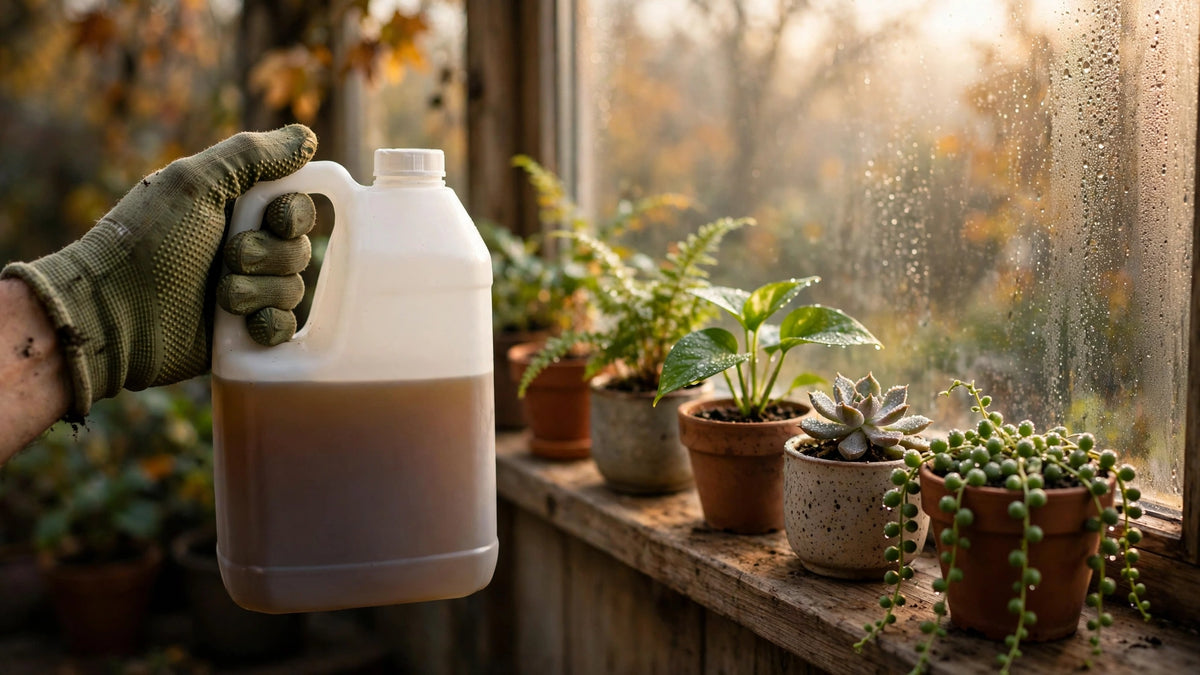
Liquid kelp fertilizer is a concentrated extract made from harvested seaweed, typically Ascophyllum nodosum, sourced from the cold waters of the North Atlantic. The kelp is processed to preserve its bioactive compounds, including cytokinins, auxins, gibberellins, and over 60 trace minerals, such as iron, zinc, magnesium, and manganese. These elements occur naturally in the seaweed and remain intact through cold-processing methods.
Unlike synthetic fertilizers that provide a narrow NPK ratio, liquid kelp works differently. Its NPK values are low (often around 1-0-2), but its value lies in micronutrients and plant hormones that stimulate root development, chlorophyll production, and stress response mechanisms. When applied to lawns, these compounds enhance the grass plant's ability to utilize available soil nutrients, making existing fertility more effective.
|
GS Plant Foods: Organic Fertilizers That Actually Work 12+ Years Proven Results | Trusted by 1M+ Customers | Pet & Kid-Safe
Grow Naturally Without Compromise:From bestselling Liquid Fish to proprietary blends like Green Envy, GS Plant Foods delivers professional-grade nutrition using kelp, humic acid, and seaweed extracts. Whether you're nurturing orchids, reviving your lawn, or caring for houseplants, their organic formulas absorb faster and reduce runoff—giving you visible results without harsh chemicals. Why Gardeners Choose GS:
Your plants deserve nutrition that works as hard as you do. |

Key Benefits of Liquid Kelp for Lawns

Liquid kelp delivers over 60 trace minerals and natural growth hormones that optimize grass health from the root system up, unlike synthetic fertilizers that only provide basic NPK ratios.
Strengthens Root Systems
The natural auxins and cytokinins in kelp stimulate root cell division and elongation. Deeper, more branched root systems allow grass to access water and nutrients from greater soil depths. This translates to improved drought tolerance and reduced need for frequent watering. Stronger roots also help grass recover faster from foot traffic, heat stress, and seasonal dormancy.
Improves Stress Tolerance
Liquid kelp contains betaines and other osmoprotectants that help grass plants regulate water balance during temperature extremes. Research shows that seaweed extracts improve plant resilience to environmental stressors by enhancing antioxidant systems and reducing cellular damage. For lawns, this means better performance during summer heat waves, early spring cold snaps, and periods of inconsistent rainfall.
Enhances Nutrient Uptake
The alginic acid and polysaccharides in kelp improve soil structure and support beneficial microbial activity. These compounds also act as natural chelators, helping grass roots absorb iron, manganese, and other micronutrients more efficiently. When combined with humic acid products, kelp can increase nutrient availability by up to 30%, reducing overall fertilizer requirements.
Safe for Families & Pets
One of the most compelling reasons homeowners choose liquid kelp is safety. Organic seaweed extracts contain no harsh chemicals, phosphates, or synthetic compounds that pose risks to children or pets. Dogs and cats can walk on treated lawns immediately after application without exposure to toxic residues. This makes kelp an ideal choice for family yards, parks, and areas where pets spend significant time.
How to Use Liquid Kelp on Your Lawn
Application Methods
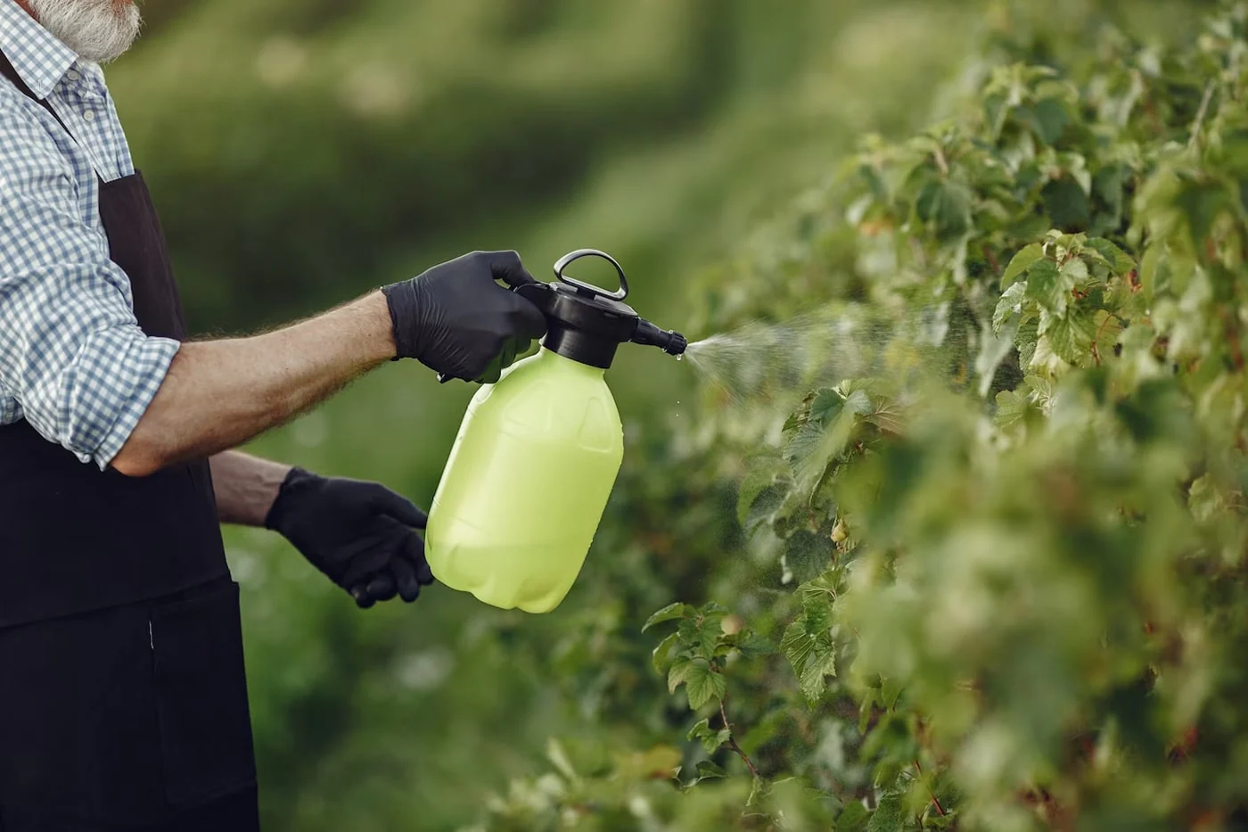
Liquid kelp can be applied using several methods, depending on the lawn's size. For small yards, a watering can with diluted kelp solution works well for spot treatments or new grass areas. Hose-end sprayers provide even coverage on medium-sized lawns and let you treat entire sections quickly. For larger properties, pump sprayers or backpack applicators ensure consistent distribution across expansive turf areas.
Timing & Frequency
Apply liquid kelp during the active growing seasons, when grass can utilize nutrients most effectively. For cool-season grasses, focus applications in spring and fall when root development peaks. Warm-season grasses benefit most from kelp applications throughout late spring and summer.
A general guideline is every 2–4 weeks during peak growth, reducing to monthly applications during slower growth periods. Early morning or late afternoon applications minimize evaporation and allow better absorption.
Dilution Rates
Most concentrated liquid kelp products require dilution before lawn application. Standard rates typically range from 1–2 tablespoons per gallon of water, though specific products vary. Always follow the manufacturer's label instructions for exact ratios.
For established lawns, lighter dilutions applied more frequently often outperform heavy applications spaced far apart. Newly seeded areas or stressed lawns may benefit from slightly stronger concentrations to jumpstart recovery, but be sure to avoid common mistakes when using fertilizers.

Applying diluted liquid kelp every 2–4 weeks during active growth seasons strengthens grass roots and improves stress tolerance without requiring complex application equipment or procedures.
Liquid Kelp vs. Traditional Lawn Fertilizers
Traditional synthetic fertilizers deliver high concentrations of nitrogen, phosphorus, and potassium in quickly available forms. This creates rapid greening but can lead to excessive top growth, shallow roots, and increased mowing frequency. The water-solubility of synthetics also means greater runoff potential, contributing to waterway pollution.
Liquid kelp takes a different approach. Rather than forcing growth through high nitrogen, it optimizes the grass plant's internal systems. The result is slower but more sustainable improvement—deeper roots, better stress tolerance, and enhanced nutrient efficiency.
Kelp works synergistically with existing soil fertility rather than replacing it. Many homeowners find the best results come from combining kelp with moderate amounts of organic nitrogen sources, such as fish fertilizer or compost, to create a balanced feeding program.
The environmental benefits also differ significantly. Kelp applications improve soil biology and structure over time, while synthetic programs can degrade soil health with repeated use. For homeowners prioritizing long-term lawn sustainability and ecological responsibility, kelp-based programs align better with these goals.
Where to Buy Quality Liquid Kelp for Your Lawn: GS Plant Foods

GS Plant Foods sources its Organic Liquid Kelp from Norwegian Ascophyllum nodosum and is OMRI certified for organic use.
Founded over 12 years ago after owner Francis discovered the power of organic formulas for orchids, GS Plant Foods has grown into a trusted name in the fertilizer industry. We source our Organic Liquid Kelp from Norwegian Ascophyllum nodosum, widely recognized as the premium seaweed species for plant nutrition. Our cold-processing method preserves the full spectrum of bioactive compounds, ensuring you get maximum benefit from every application.
What sets our kelp products apart is the Organic Materials Review Institute (OMRI) certification, guaranteeing organic integrity for customers who want verified natural inputs. We also offer specialized lawn formulas like Green Envy, which combines our premium kelp with humic acid, fulvic acid, and beneficial bacteria strains (Bacillus Subtilis and Pumilus).
This proprietary blend addresses multiple lawn health factors simultaneously—nutrient uptake, soil conditioning, and microbial activity, giving you professional results without complicated programs. For customers seeking convenience, we provide multiple product sizes and concentrate options.
A single gallon of Green Envy yields 64 gallons of finished solution, making it cost-effective for larger properties. All our kelp-based products work safely around pets and children, addressing the number one concern we hear from homeowners.
We ship quickly and include detailed application instructions with every order. Our formulas work for all grass types, from Bermuda and Zoysia to Kentucky Bluegrass and Fescue, adapting to your specific lawn conditions. You can purchase directly through our website with confidence, knowing you're getting fresh, properly stored product that delivers consistent results season after season.
Frequently Asked Questions (FAQs)
Can liquid kelp burn my lawn like synthetic fertilizers?
No, liquid kelp cannot burn grass even at higher concentrations. The low NPK values and organic composition mean there's no salt index or chemical burn risk. This makes it safe for new seedlings, stressed turf, and even accidental overapplication situations.
How long before I see results from liquid kelp applications?
Root system improvements begin within 7–10 days, while visible top-growth changes take 3–4 weeks. Kelp works gradually, building plant health from the inside out. Most homeowners notice improved color, density, and stress tolerance after 2–3 consistent applications during active growth periods.
Can I mix liquid kelp with other lawn treatments?
Yes, liquid kelp combines well with most organic fertilizers, compost teas, and humic acid products.
Avoid mixing herbicides or pesticides with kelp in the same tank, as these chemicals may interfere with kelp's beneficial compounds. Apply kelp and chemical treatments on separate schedules for best results.
Will liquid kelp help repair bare spots or thin areas?
Liquid kelp accelerates recovery in damaged lawn areas by stimulating root development and improving seed germination rates.
For bare spots, overseed first, then apply diluted kelp solution to help new grass establish faster. The natural growth hormones in kelp support rapid root formation in young plants.
Why should I choose GS Plant Foods for my lawn's kelp needs?
GS Plant Foods offers OMRI-certified Norwegian kelp backed by 12+ years of proven results from over one million customers. Our lawn-specific blends, like Green Envy, combine premium kelp with humic acid and beneficial bacteria to support comprehensive soil health.
Every product is formulated to be 100% safe around pets and children while delivering professional-grade nutrition that works.
*Disclaimer: This information is for educational purposes only. Always follow product label instructions and consult with qualified professionals for advice specific to your region, climate, and growing conditions. Individual results may vary based on environmental factors, soil conditions, plant species, and care practices. For specific product recommendations and application rates, visit GS Plant Foods.
Share:
Liquid Lawn Aerator: Benefits, Application & Where to Buy
The Complete Guide to Organic Fertilizer for Trees (When, What, and How to Apply)