Key Takeaways
-
Liquid lawn aerators improve compacted soil by chemically loosening soil particles, allowing water, oxygen, and nutrients to reach grass roots without the mess or disruption of core aeration.
-
Key benefits include deeper soil penetration, improved nutrient uptake, better water absorption, and stronger root development, leading to healthier, more resilient lawns over time.
-
Most liquid aerators rely on organic ingredients like humic acid, fulvic acid, kelp, and beneficial microbes, making them safe for pets, children, and regular lawn use.
-
Proper application timing and frequency matter: apply during active growth periods, space treatments 6–8 weeks apart, and expect gradual improvements rather than instant results.
-
Liquid lawn aerators are widely available online and through garden suppliers, with products like GS Plant Foods Soft Soil Liquid Aerator offering a pet-safe, organic option designed for easy at-home application.
What is a Liquid Lawn Aerator?
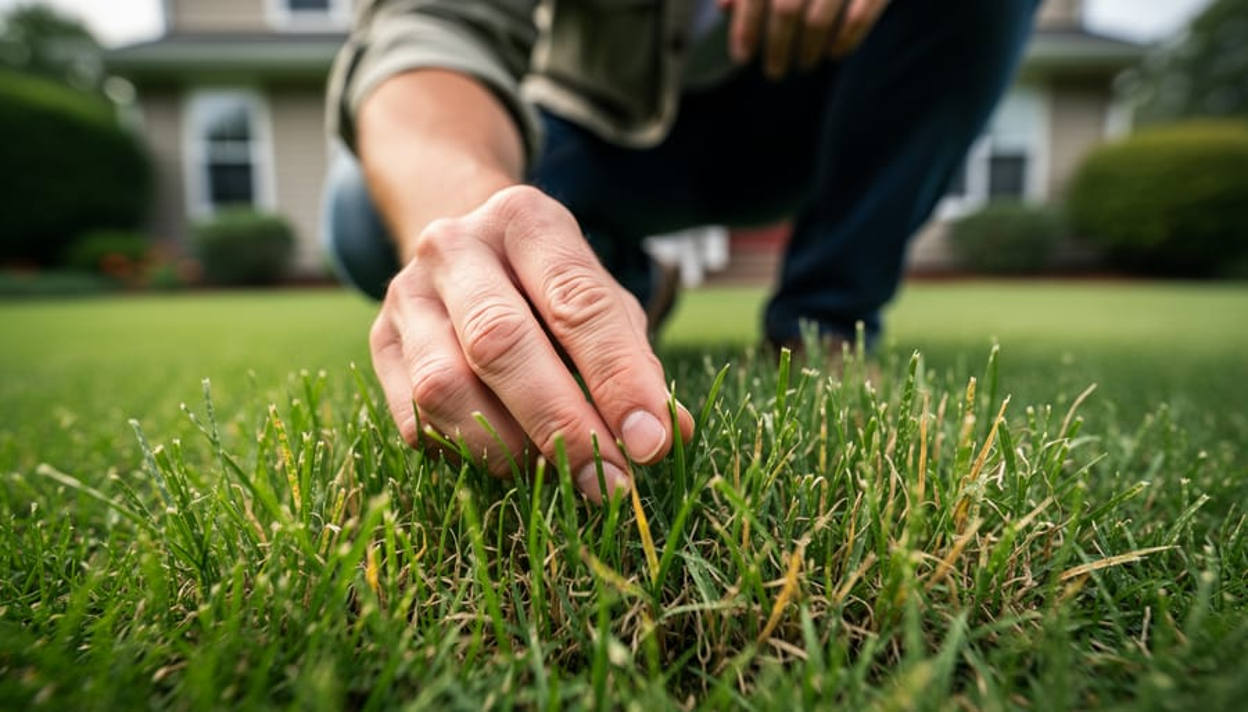
A liquid lawn aerator is a soil-conditioning solution applied directly to grass with a standard garden sprayer. Unlike mechanical aerators that puncture holes in the ground, liquid aerators work by breaking down soil particles at the molecular level.
Most formulations contain surfactants, organic acids such as humic and fulvic acids, enzymes, and microbial stimulants that work together to improve soil texture and porosity. The process begins when the liquid solution is absorbed into the soil. Surfactants reduce water's surface tension, allowing moisture to penetrate compacted areas more easily.
Humic and fulvic acids bind to soil particles, loosening their structure while simultaneously chelating nutrients, making them more available to grass roots. Beneficial microorganisms in quality products further enhance this effect by breaking down thatch and the naturally occurring organic matter in the soil.
|
GS Plant Foods: Organic Fertilizers That Actually Work 12+ Years Proven Results | Trusted by 1M+ Customers | Pet & Kid-Safe
Grow Naturally Without Compromise:From bestselling Liquid Fish to proprietary blends like Green Envy, GS Plant Foods delivers professional-grade nutrition using kelp, humic acid, and seaweed extracts. Whether you're nurturing orchids, reviving your lawn, or caring for houseplants, their organic formulas absorb faster and reduce runoff—giving you visible results without harsh chemicals. Why Gardeners Choose GS:
Your plants deserve nutrition that works as hard as you do. |

Benefits of Liquid Lawn Aeration

Liquid aerators use organic compounds to break down compacted soil at the molecular level, creating natural channels for water and nutrients to reach grass roots without mechanical disruption.
Improves Soil Structure Without Mechanical Disruption
Liquid aerators provide an advantage for homeowners who want to avoid the mess and disruption of core aeration. There are no unsightly soil plugs left on the lawn surface, no need to rent heavy equipment, and no risk of damaging underground irrigation systems or utility lines. The application process is straightforward and can be completed in significantly less time than running a mechanical aerator across your property.
Enhances Nutrient & Water Penetration
Humic acid improves nutrient uptake by increasing the soil's cation exchange capacity, essentially creating a nutrient-holding system that prevents valuable minerals from leaching away before grass roots can absorb them.
Fulvic acid works differently—its smaller molecular size allows it to enter plant cells directly, carrying nutrients across membranes that would otherwise block them. Together, these compounds ensure fertilizers and organic matter work more efficiently. Studies suggest this enhanced absorption can increase nutrient uptake by 20–30% when applied correctly.
Water infiltration improves as well. Compacted soil often causes water to run off the surface rather than soaking in, wasting irrigation efforts and creating puddles. Liquid aeration products containing wetting agents make soil surfaces less water-repelling, allowing moisture to penetrate more effectively and reach deeper root zones.
Promotes Healthier Root Development
Deeper penetration is one area where liquid aerators excel. While core aeration typically reaches 2–3 inches deep, liquid solutions chemically alter soil structure throughout the treated area, with effects varying by soil type and conditions. This extended reach supports stronger, more resilient grass that can better withstand environmental stresses, such as heat and drought.
The organic compounds in quality liquid aerators also feed beneficial soil microorganisms. These microbes decompose thatch naturally and cycle nutrients back into forms that grass can use, creating a healthier soil ecosystem over time.
Safe for Pets & Children
Organic liquid aerators made with natural ingredients like humic acid, kelp extract, and seaweed pose no threat to family members or pets. There are no harsh chemicals that require keeping children and animals off the lawn for extended periods. Once the solution dries—typically within a few hours—the treated area is safe for normal use.
How to Apply Liquid Lawn Aerator

Apply liquid aerator during spring or fall when grass actively grows, spacing treatments 6–8 weeks apart for optimal soil conditioning and long-term lawn health.
Best Time to Apply
Timing matters when using liquid aerators. For cool-season grasses common in northern climates, early fall or spring applications work best when the grass actively develops new roots. Warm-season grasses in southern regions benefit most from applications made late spring to early summer. Avoid applying during extreme heat or drought conditions, as the soil needs adequate moisture for the solution to penetrate effectively.
Application Process
Start by reading the product label carefully for specific mixing ratios. Most liquid aerators are sold as concentrates that require dilution with water. A typical application might involve mixing 4–6 ounces of product per 1,000 square feet of lawn area, though formulations vary.
Use a hose-end sprayer or pump sprayer to apply the solution evenly across your lawn. Walk at a steady pace, overlapping your spray pattern slightly to ensure complete coverage. The soil should be damp but not saturated—watering the day before application can help if your lawn is very dry. After spraying, water the treated area lightly to help the solution move into the soil profile.
Frequency & Maintenance
Liquid aeration effects develop gradually as soil structure improves and microbial populations establish themselves. Most programs recommend 2–4 applications per year for optimal results. Space applications 6–8 weeks apart during the growing season.
Some homeowners combine liquid and core aeration, using liquid products between mechanical treatments to maintain soil health year-round. When using both methods, apply the liquid aerator about a week before core aeration for best results.
Where to Buy: GS Plant Foods Soft Soil Liquid Aerator

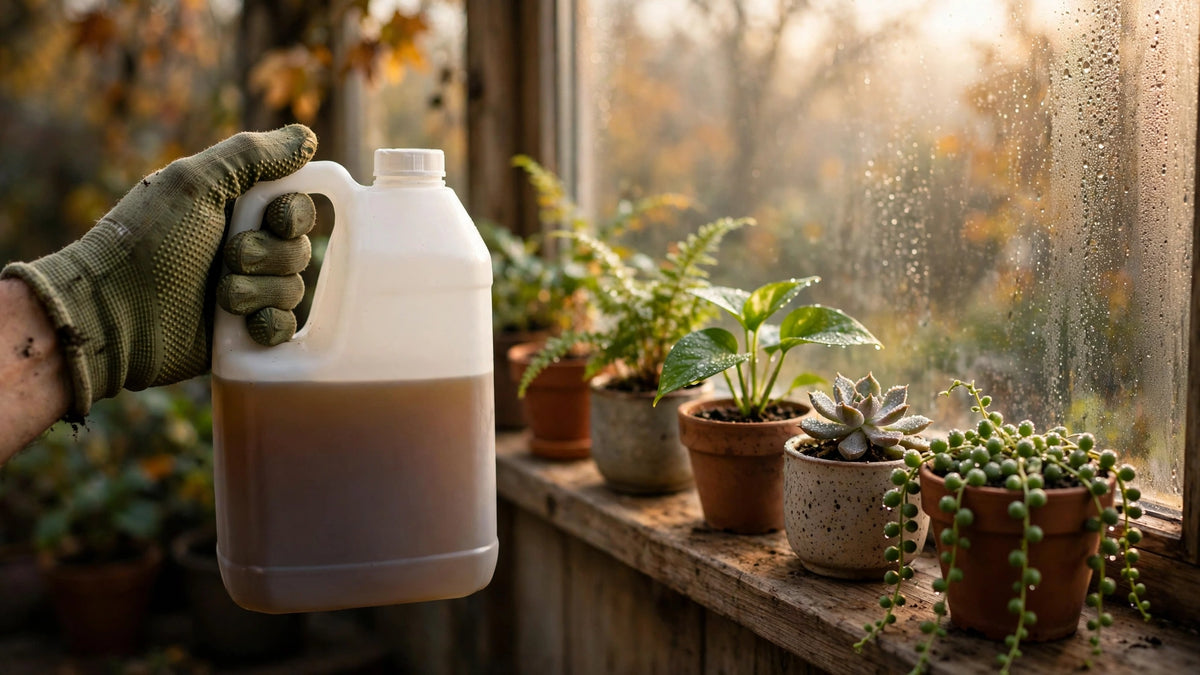
GS Plant Foods Soft Soil Liquid Aerator delivers professional-grade organic soil conditioning with humic acid, fulvic acid, and kelp extract in a pet-safe, easy-to-use formula.
At GS Plant Foods, we designed our Soft Soil Liquid Aerator specifically for homeowners who want effective soil conditioning without complicated processes or harsh chemicals. Our formula combines organic kelp, humic acid, fulvic acid, and beneficial microbes.
We use the same cold-processed, Organic Materials Review Institute (OMRI) listed organic ingredients found in our bestselling fish and kelp fertilizers—materials proven safe around children and pets.
To use, simply mix and revive your soil by diluting 4 oz of Soft Soil per gallon of water, which covers up to 500 sq ft. Apply evenly using a hose-end sprayer or a watering can, making sure the area is well covered. For best results, repeat the treatment every 2 weeks during the growing season to maintain soft, healthy soil. For an extra boost, pair it with GS Plant Foods Liquid Love to enhance green-up and overall growth.
We've spent over 12 years perfecting organic formulas that deliver visible results without compromise. Our liquid aerator embodies that same commitment: bringing professional-grade soil conditioning to everyday homeowners in a simple-to-use, safe format for your entire property.
Frequently Asked Questions (FAQs)
Does a liquid lawn aerator actually work?
Liquid aerators work differently from core aeration and are most effective for mild to moderate soil compaction. They improve water infiltration and nutrient availability through organic compounds that condition the soil over time.
For severely compacted lawns, combining liquid treatments with mechanical core aeration provides the best results.
How long does it take to see results from liquid aeration?
Results appear gradually over several weeks as soil structure improves and beneficial microbes establish. Most homeowners notice better drainage and greener grass within 3–4 weeks of the first application. Consistent use over a growing season produces the most dramatic improvements.
Can I apply a liquid aerator and fertilizer together?
Yes, many homeowners tank-mix liquid aerators with fertilizers for convenient application. Humic and fulvic acids enhance fertilizer efficiency by helping grass absorb nutrients more effectively. Just ensure your spray equipment can handle the combined solution.
Is a liquid aerator safe to use around my vegetable garden?
Liquid aerators made with organic ingredients like humic acid, kelp, and beneficial bacteria are safe for all planting areas, including vegetable gardens. They improve soil health without introducing synthetic chemicals that might affect edible crops.
Why choose GS Plant Foods products for lawn aeration?
At GS Plant Foods, we formulate every product with the same organic ingredients used by commercial growers—cold-processed fish hydrolysate, Norwegian kelp, and leonardite-derived humic acid.
Our Soft Soil Liquid Aerator contains beneficial bacteria strains specifically chosen to enhance soil structure while remaining completely safe around kids and pets. Plus, we're Amazon's #1-rated kelp fertilizer brand, trusted by over 1 million gardeners nationwide.
*Disclaimer: This information is for educational purposes only. Always follow product label instructions and consult with qualified professionals for advice specific to your region, climate, and growing conditions. Individual results may vary based on environmental factors, soil conditions, plant species, and care practices. For specific product recommendations and application rates, visit GS Plant Foods.

Share:
How to Feed Plants Properly: A Fertilizer Guide
Liquid Kelp for Lawns: Benefits, Uses & Where to Buy