Success in the garden isn't just about how much sun or water your plants receive—it’s about the fuel that powers their growth. But with so many options on the shelf, understanding fertilizer can feel like learning a second language.
At GS Plant Foods, we believe that feeding your plants should be a science, not a guessing game.
In this guide, we’re breaking down everything you need to know about nutrient ratios, application timing, and how to choose the right organic supplements to help your garden reach its full potential.
The Language of Growth: Understanding N-P-K
Understanding the "Big Three" starts with the N-P-K ratio, the three numbers found on every fertilizer label that represent Nitrogen, Phosphorus, and Potassium.

Nitrogen drives the "upward" growth, fueling the lush green foliage and stem strength that allow a plant to capture sunlight.
Phosphorus works "downward," focusing its energy on building a robust root system and triggering the production of vibrant flowers and healthy fruits.
Potassium acts as the "all-around" protector, strengthening the plant’s internal cells to help it withstand disease, drought, and temperature swings.
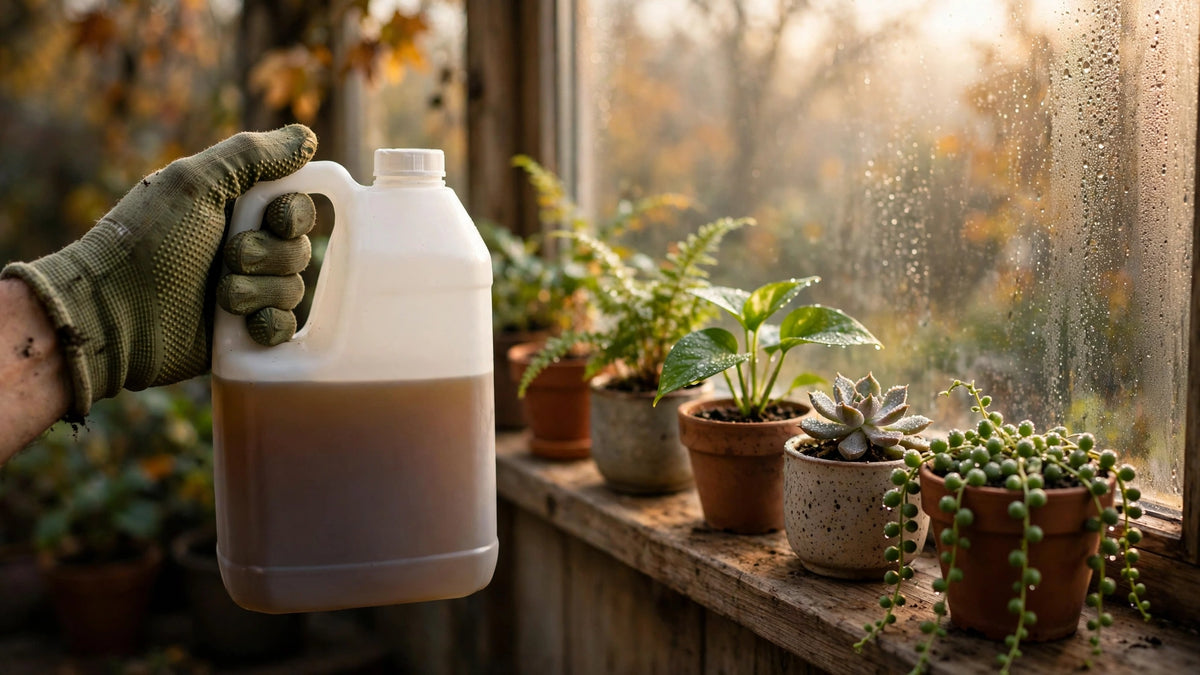
However, the secret to a truly thriving garden lies in the quality of these nutrients rather than just the quantity. While many commercial fertilizers rely on harsh synthetic salts that can damage soil health over time, the GS Plant Foods philosophy centers on high-quality, organic-based sources. By using ingredients like liquid kelp and fish acids, you provide a bio-available feast that the plant can absorb immediately.
This method doesn't just feed the plant; it nurtures the entire soil ecosystem, ensuring that your garden remains fertile and productive for years to come instead of just chasing a temporary growth spike.
When to Feed for Maximum Impact
Knowing what to feed your plants is only half the battle; knowing when to apply those nutrients determines whether your garden merely survives or truly thrives.
Timing is dictated by the plant’s life cycle and the environmental conditions around it. Most plants follow a seasonal rhythm where their nutritional demands peak during periods of active growth—typically from early spring through late summer.

Environmental conditions play an equally critical role in your feeding schedule. It is best to apply liquid fertilizers during the cooler parts of the day, such as early morning or late evening, to prevent the sun from evaporating the nutrients before the plant can absorb them. This also protects delicate foliage from potential leaf burn.
Furthermore, checking the weather forecast is essential; applying fertilizer right before a heavy rainstorm can wash away your hard work, while feeding during a period of light moisture or right after a gentle watering helps the nutrients penetrate deep into the root zone.

By aligning your feeding schedule with the natural rhythm of your plants and the local climate, you ensure that every drop of GS Plant Foods concentrate goes exactly where it’s needed most.
Liquid vs. Granular: Why Delivery Method Matters
The debate between liquid and granular fertilizers often comes down to how quickly and efficiently you want your plants to respond. Granular fertilizers act like a slow-release pill, breaking down over weeks or months, which can be useful for baseline maintenance but often fails to address immediate nutritional gaps.
In contrast, liquid fertilizers serve as a direct injection of vitality. Because the nutrients are already dissolved, they bypass the need for lengthy breakdown periods in the soil, allowing the plant’s root system to uptake essential minerals the moment they are applied. This immediate bioavailability is especially crucial during high-stress periods or critical growth transitions, such as the leap from vegetative growth to blooming.
Beyond speed, liquid concentrates offer a level of precision and versatility that dry pellets simply cannot match. With a liquid formula, you eliminate the risk of "hot spots" in the soil—areas where concentrated salts from granules can clump together and burn sensitive roots.
Instead, you get a perfectly even distribution of nutrients across the entire root zone.
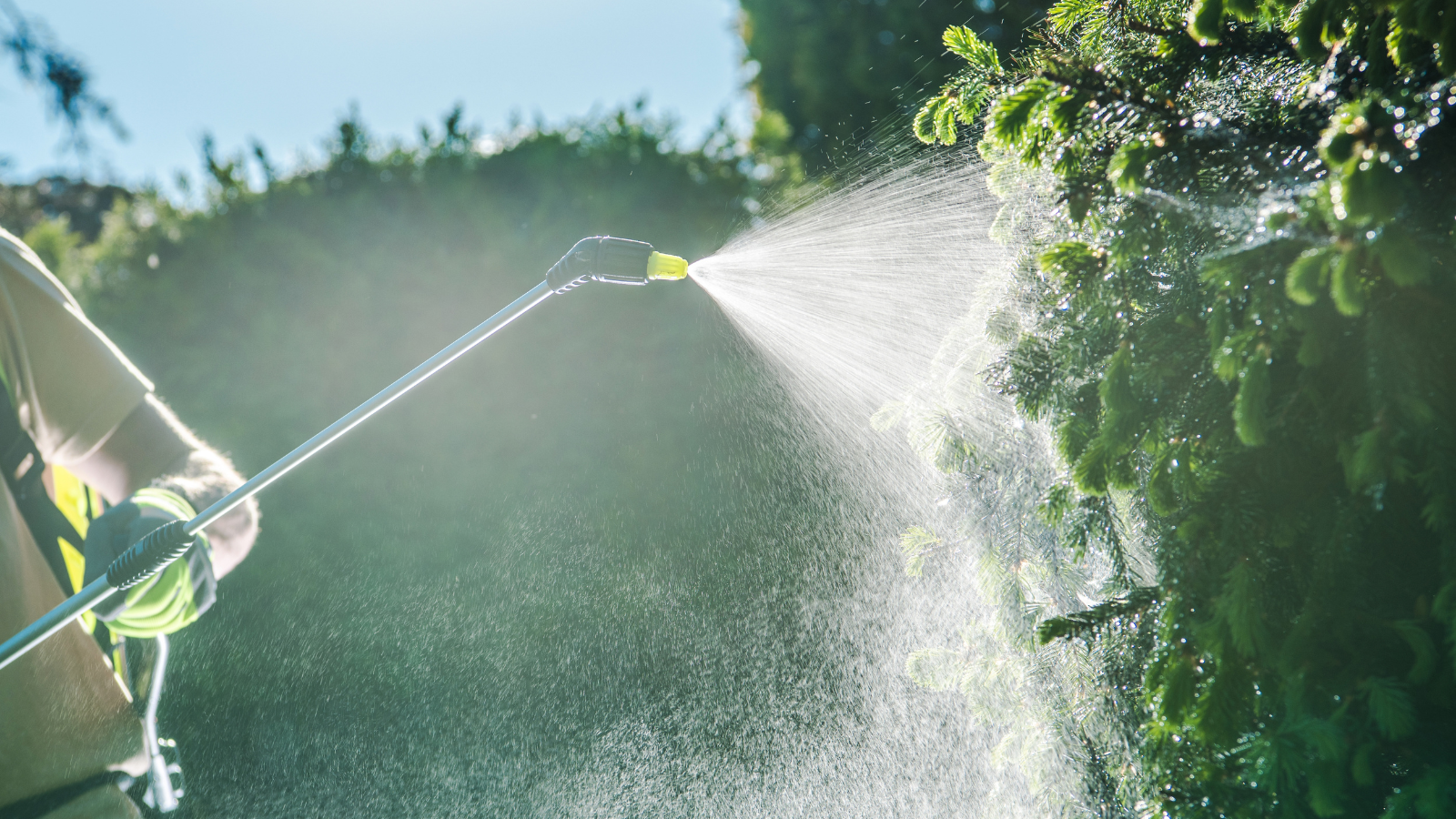
Furthermore, many of our GS Plant Foods formulas allow for foliar feeding, a method where nutrients are sprayed directly onto the leaves for even faster absorption.
By choosing a liquid-based approach, you gain total control over your garden’s health, ensuring that your plants receive exactly what they need, exactly when they need it, with zero waste and maximum efficiency.
The Foliar Advantage: Feeding Through the Leaves
One of the most effective yet underutilized tools in a gardener’s arsenal is foliar feeding.
While we traditionally think of plants "eating" through their roots, their leaves are actually highly efficient at absorbing nutrients through tiny pores called stomata.
By applying a fine mist of liquid fertilizer directly to the foliage, you provide an almost instant bypass to the plant’s vascular system.
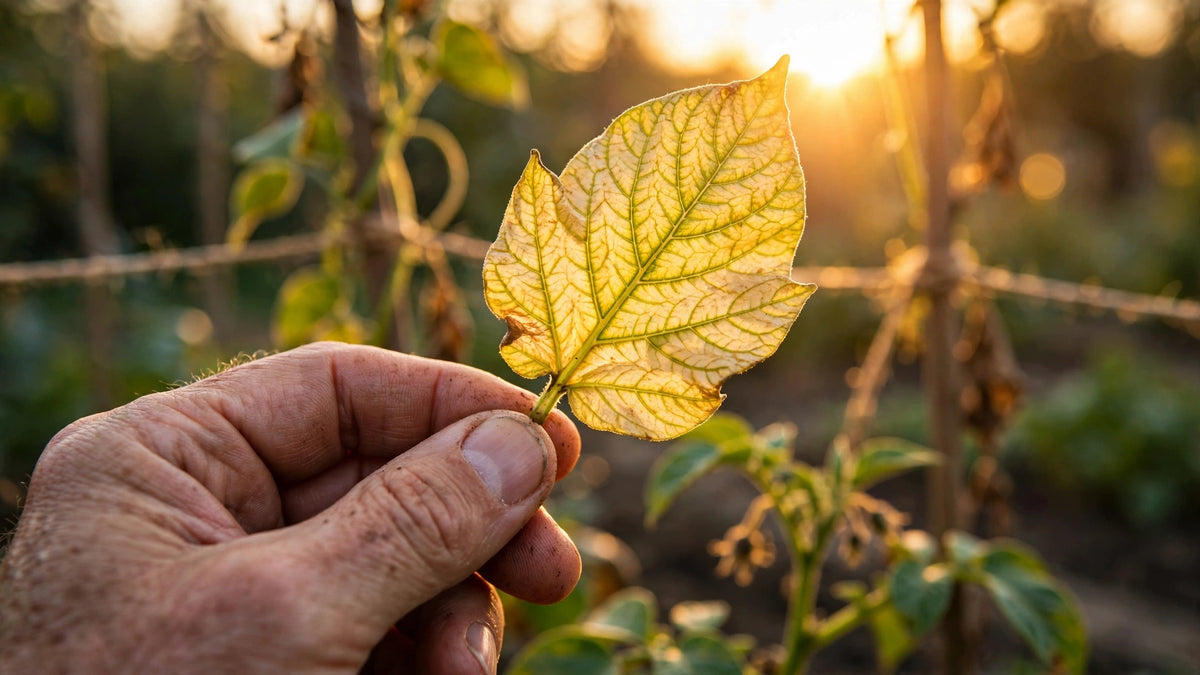
This is particularly valuable when soil conditions—like extreme pH levels or cold temperatures—lock up nutrients and prevent roots from doing their job. A quick foliar spray can correct yellowing leaves or boost bloom production in a fraction of the time it takes for soil-based fertilizers to kick in.
The GS Plant Foods Quick-Start Checklist:
-
Check the Label: Ensure your N-P-K ratio matches your plant's current stage (High N for growth, High P for blooms).
-
Dilute Correctly: Always follow the mixing instructions on your GS Plant Foods bottle—concentrates are powerful, and a little goes a long way.
-
Time it Right: Aim for the "Golden Hours"—early morning or just before dusk—to avoid evaporation and leaf burn.
-
Watch the Weather: Avoid fertilizing right before a storm; look for a clear 24-hour window for the best absorption.
-
Combine Methods: Use a mix of soil drenching for root strength and foliar spraying for an instant health boost.
Conclusion
Properly feeding your plants is more than just a chore; it is an investment in the longevity and resilience of your garden.
By moving away from harsh synthetics and embracing a nutrient-rich, liquid-based regimen, you are supporting the natural harmony between the plant and the soil. Whether you are aiming for the deepest green lawn in the neighborhood or a record-breaking harvest of organic vegetables, the secret lies in consistency and quality.
With the right nutrients applied at the right time, you’ll spend less time worrying about pests and disease and more time enjoying the lush, vibrant results of your hard work.
Share:
Humic Acid for Plants: Benefits, Dosage & How to Apply
Liquid Lawn Aerator: Benefits, Application & Where to Buy