

Key Takeaways
-
Winter is the ideal time to improve garden soil because compost, cover crops, and organic matter have months to break down, improving structure and fertility by spring.
-
Simple DIY methods like surface composting, winter cover crops, and sheet mulching build soil naturally without digging or expensive inputs.
-
Testing soil during winter helps you plan precise amendments, avoid wasted fertilizer, and track long-term improvements in soil health.
-
The best fertilizers for winter soil building are organic and slow-release, such as compost, humic acid, kelp extract, and fish-based fertilizers that feed soil microbes and prevent nutrient loss.
-
GS Plant Foods' Organic Liquid Humic Acid applied in fall enhances nutrient availability and feeds beneficial soil microbes, helping your garden build fertility throughout winter for stronger spring growth.
Why Winter Is the Best Time to Build Better Soil
When the garden goes quiet and the growing season ends, it's tempting to forget about your soil until spring. But those cold, dormant months offer one of the best opportunities to transform tired, depleted soil into the rich, fertile foundation your plants need to thrive.
Here's why winter works in your favor: when you add organic matter in fall, it has the entire winter to break down and integrate into your soil. Earthworms, fungi, and beneficial bacteria continue working even as temperatures drop, slowly decomposing compost and releasing nutrients in forms your plants can absorb. By the time spring arrives, those amendments have become part of your soil's structure rather than sitting on top waiting to be processed.
Winter soil building also gives you a head start on the busy planting season. Instead of scrambling to improve soil while you're also starting seeds and transplanting, you can focus on getting plants in the ground, knowing the hard work is already done.
Best of all, these winter soil-building methods use materials that are completely safe around pets and children, so you can work confidently knowing your furry friends and little ones can safely explore the garden. The methods are simple, the materials are often free, and the payoff comes when your garden bursts to life with healthier, more vigorous growth.
|
GS Plant Foods: Organic Fertilizers That Actually Work 12+ Years Proven Results | Trusted by 1M+ Customers | Pet & Kid-Safe
Grow Naturally Without Compromise:From bestselling Liquid Fish to proprietary blends like Green Envy, GS Plant Foods delivers professional-grade nutrition using kelp, humic acid, and seaweed extracts. Whether you're nurturing orchids, reviving your lawn, or caring for houseplants, their organic formulas absorb faster and reduce runoff—giving you visible results without harsh chemicals. Why Gardeners Choose GS:
Your plants deserve nutrition that works as hard as you do. |

DIY Methods to Improve Your Soil Over Winter
Add Compost & Organic Matter

Compost adds organic matter, feeds beneficial soil organisms, and improves both drainage and water retention.
Compost is often called the gold standard of soil amendments, and for good reason. It improves soil structure, increases water-holding capacity in sandy soils, enhances drainage in clay soils, and provides a slow-release source of nutrients that feeds plants throughout the growing season.
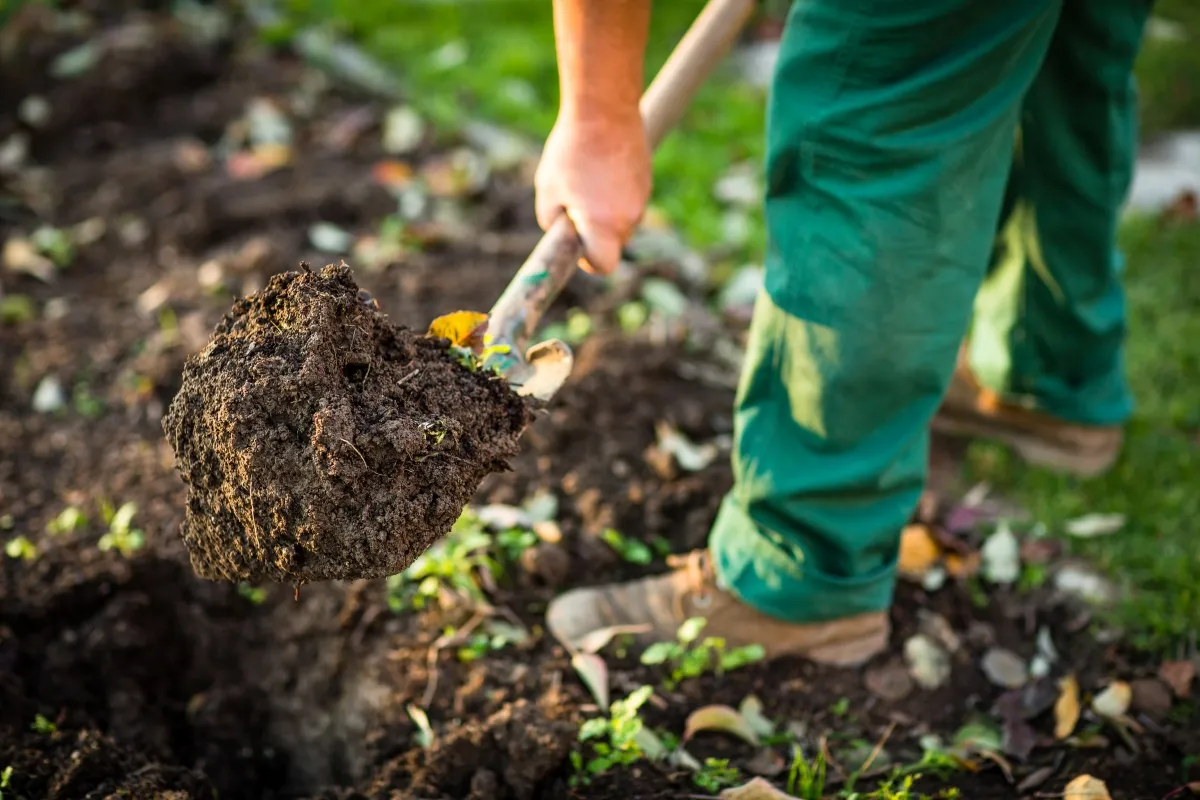
To improve your soil over winter, spread a two to four-inch layer of finished compost over your garden beds after you've cleared away spent plants. There's no need to dig it in; simply leave it on the surface and let nature do the work. Earthworms will pull organic matter down into the soil profile, while freeze-thaw cycles help incorporate it into the top layers.
You don't need to buy expensive bagged compost to get results. Homemade compost made from kitchen scraps and yard waste works beautifully. Well-aged manure from a trusted source adds nitrogen and organic matter. Even worm castings, sometimes called black gold, provide concentrated nutrition and beneficial microorganisms.
The key is using materials that have fully decomposed—fresh manure or uncomposted plant matter can burn roots and tie up nitrogen as it breaks down.
Plant a Winter Cover Crop
Cover crops are one of the most effective ways to improve soil over winter, yet many home gardeners overlook them. These plants protect bare soil from erosion, suppress weeds, and add organic matter when incorporated in spring. Some even capture atmospheric nitrogen and make it available to your next crop.
Legume cover crops like crimson clover, hairy vetch, and Austrian winter peas form partnerships with soil bacteria that convert atmospheric nitrogen into plant-available forms. When you chop and incorporate these plants in spring, that nitrogen is released into the soil, reducing or eliminating the need for nitrogen fertilizer.
Non-legume cover crops work differently. Winter rye, oats, and daikon radish are excellent scavengers that capture nutrients already in your soil and prevent them from leaching away during winter rains. Daikon radish also breaks up compacted soil with its deep taproot, improving drainage and aeration.
For home gardens, a simple mix of winter rye and crimson clover provides the best of both worlds—biomass production and nitrogen fixation. Sow cover crops about four to six weeks before your first expected frost, and terminate them in early spring by cutting at soil level and either incorporating the residue or leaving it as mulch.
Use Sheet Mulching

Sheet mulching smothers weeds, builds soil, and creates a no-dig bed ready for spring planting.
Sheet mulching, sometimes called lasagna gardening, is a simple technique that builds soil while smothering weeds, all without digging. It's especially useful for improving compacted soil, converting lawn areas into garden beds, or giving tired beds a winter rest.
Start by laying cardboard or several layers of newspaper directly on the soil surface. Wet the material thoroughly so it stays in place and begins breaking down. Next, add a 1 to 2-inch layer of compost or aged manure. Top everything with 3 to 4 inches of organic mulch, such as shredded leaves, straw, or wood chips.
Over winter, the cardboard smothers existing weeds and grass while earthworms and soil organisms work to break down all the layers. By spring, you'll have a loose, fertile planting bed with improved structure and increased organic matter. The beauty of this method is that it builds soil without disturbing the existing soil ecosystem—beneficial fungi, bacteria, and invertebrates continue thriving undisturbed.
Test Your Soil
Winter is an excellent time to test your soil and use the results to plan targeted amendments for spring. A basic soil test reveals the pH level, nutrient content, and often the percentage of organic matter; information that helps you avoid guessing and wasting money on amendments you don't need.
Most university extension services offer affordable soil testing, or you can purchase home test kits for quick results. Collect samples from several spots in your garden, mix them together, and follow the lab's instructions for submission. Results typically take a few weeks and include recommendations to adjust pH and add nutrients.
Knowing your soil's baseline allows you to track improvement over time. If you've been adding compost and cover crops for a few seasons, testing helps you see the measurable difference in organic matter and nutrient levels.
Choosing the Best Fertilizer for Winter Soil Building
When it comes to winter soil improvement, not all fertilizers are created equal. Synthetic quick-release fertilizers aren't ideal for dormant gardens—nutrients can leach away before plants are active enough to use them, potentially contaminating groundwater. Organic, slow-release options work with your soil's natural processes, feeding microbes and building long-term fertility.
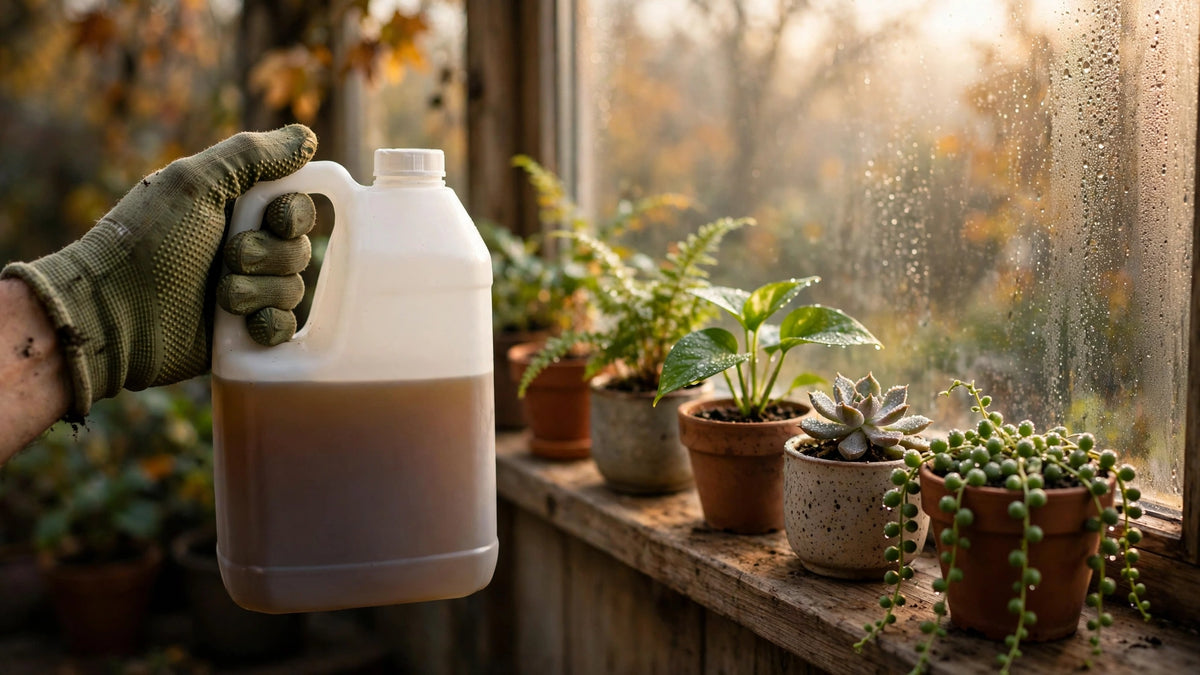
Humic acid is one of the most valuable amendments for winter soil building. Derived from ancient decomposed organic matter, humic acid acts as a chelator, binding nutrients in forms that roots can easily absorb. It also feeds beneficial soil microorganisms, improves soil structure, and increases water retention. Applied in the fall, humic acid helps your soil make better use of the nutrients already present and any amendments you add.
Kelp extract delivers over 60 trace minerals along with natural plant hormones that support root development and stress tolerance. Even during winter dormancy, kelp feeds soil biology and provides micronutrients that many soils lack.
Fish hydrolysate offers gentle, slow-release nitrogen along with amino acids that support microbial activity. Unlike synthetic nitrogen, which can flush through the soil quickly, fish-based fertilizers release nutrients gradually as soil organisms break them down, making them perfect for winter application when you want to feed the soil rather than force plant growth.
Nourish Your Soil This Winter with GS Plant Foods
Building better soil over winter doesn't require complicated techniques or expensive products. With the right organic amendments, you can transform your garden's foundation and set yourself up for a more productive growing season.
GS Plant Foods was founded over 12 years ago when owner Francis discovered an effective organic orchid formula—made from liquid fish, kelp, humic acid, and seaweed—that consistently triggered repeat blooms, proving that organic nutrition could deliver professional results for everyday gardeners.

GS Plant Foods Organic Liquid Humic Acid improves nutrient uptake and water retention when applied in the fall.
Our Organic Liquid Humic Acid is derived from premium leonardite and compost, delivering concentrated humic and fulvic acids that boost nutrient availability and support beneficial soil microbes. Applied in the fall, it helps your soil make the most of compost and other amendments by improving nutrient uptake and enhancing soil structure. Humic acid also increases water retention, helping your soil hold moisture through winter's variable conditions.
For gardeners who want the efficiency of conventional fertilizers with the benefits of organic absorption, our 20-20-20 All Purpose Fertilizer with Kelp offers balanced nutrition enhanced by kelp extract and chelated micronutrients. This water-soluble hybrid formula delivers targeted NPK ratios while improving nutrient uptake and reducing runoff—bridging the gap between synthetic precision and organic soil health.
Our Organic Liquid Kelp provides over 60 trace minerals along with natural cytokinins and auxins that support root health even during dormancy. Kelp feeds soil biology through the colder months, ensuring that beneficial microorganisms have the resources they need to continue breaking down organic matter and cycling nutrients.
For comprehensive winter soil building, our Fish & Kelp Blend combines the benefits of fish hydrolysate with kelp extract. The amino acids in fish support protein synthesis and microbial activity, while the gentle release of nitrogen feeds soil biology without forcing vulnerable new growth.
Root Ruckus offers a complete soil-building solution with humic acid, kelp, and beneficial mycorrhizal fungi. The mycorrhizae form symbiotic relationships with plant roots, extending their reach and improving access to water and nutrients—relationships that establish over winter and pay dividends when spring growth begins.
All GS Plant Foods products are completely pet-safe and kid-friendly, so you can apply them confidently throughout your yard and garden.
Check out our collection today!
Frequently Asked Questions (FAQs)
Can I improve the soil during winter if the ground is frozen?
You can still add materials to frozen ground: compost, mulch, and organic matter spread on the surface will break down once temperatures moderate. However, active techniques like planting cover crops or incorporating amendments require unfrozen soil. In cold climates, focus on fall applications before freeze-up, then let winter do its work. Sheet mulching can be done even on frozen ground since it relies on natural decomposition over time.
What's the best cover crop for a small home garden?
For small gardens, a mix of winter rye and crimson clover works well. Winter rye establishes quickly, produces abundant biomass, and suppresses weeds, while crimson clover fixes nitrogen and adds beautiful spring blooms. Sow four to six weeks before your first frost. In spring, cut the plants at the soil level and either incorporate them into the soil or leave them as mulch.
How much compost should I add to my garden beds in the fall?
For established beds, one to two inches of compost spread across the surface annually is sufficient to maintain soil health. For new beds or soil that needs significant improvement, apply two to four inches. There's no need to dig it in; earthworms and soil organisms will incorporate it naturally over winter.
When should I apply humic acid to my garden?
Fall is an excellent time to apply humic acid because it has months to integrate into your soil and support microbial activity through winter. Apply again in early spring as the soil warms and plants begin active growth. During the growing season, humic acid can be applied every three to four weeks to maintain nutrient availability.
Are GS Plant Foods products safe to use in vegetable gardens during winter soil preparation?
Yes, GS Plant Foods products are 100% organic and completely safe for vegetable gardens. Whether you're building soil for spring tomatoes or preparing beds for cool-season crops, GS Plant Foods organic fertilizers improve soil health without introducing harmful chemicals to your food-growing areas.
*Disclaimer: This information is for educational purposes only. Always follow product label instructions and consult with qualified professionals for advice specific to your region, climate, and growing conditions. Individual results may vary based on environmental factors, soil conditions, plant species, and care practices. For specific product recommendations and application rates, visit GS Plant Foods.
Share:
How to Prepare Flower Beds for Winter: Soil, Mulch & Protection Tips
Fruit Tree Winter Protection: Wrapping, Soil & Fertilizer Tips