

Key Takeaways
-
Wrapping young and vulnerable fruit tree trunks in late fall helps prevent sunscald, frost cracks, and rodent damage, which can severely weaken or kill trees over winter.
-
Proper soil care—mulching the root zone, watering deeply before freeze-up, and avoiding trunk contact—protects roots from cold injury and moisture stress.
-
Cleaning up fallen leaves and fruit reduces overwintering pests and diseases, leading to healthier trees and better yields the following season.
-
Fertilizer timing matters: avoid nitrogen-rich fertilizers in fall and focus on spring feeding, while using compost in winter to improve soil without triggering risky new growth.
-
GS Plant Foods' organic formulas applied in early spring support healthy bud break and fruit development without forcing vulnerable late-season growth.
Why Winter Protection Matters for Fruit Trees
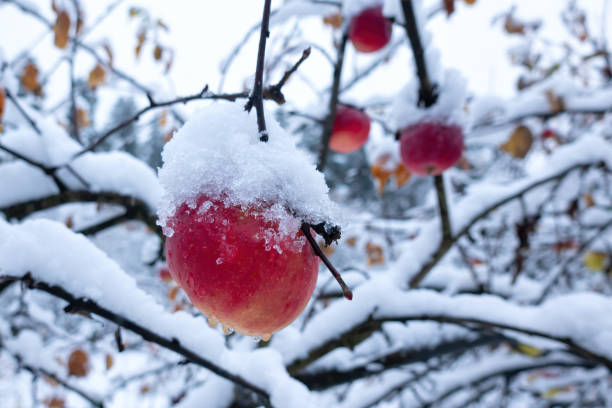
Fruit trees represent years of patience and care. Whether you planted a young apple tree last spring or you're tending a mature peach that's finally hitting its stride, the last thing you want is preventable winter damage setting back your harvest.
Winter poses several threats to fruit trees that many gardeners don't anticipate. Sunscald occurs when warm winter sun heats the bark on clear days, activating cells beneath the surface, only to have them freeze and rupture when temperatures plummet at night. Frost cracks split trunks vertically, creating wounds that invite disease and pests. Below ground, repeated freeze-thaw cycles can damage delicate feeder roots that absorb water and nutrients. And hungry rodents, rabbits, and voles see your tree's bark as a winter food source; if they girdle the trunk, the tree may not survive.
Young trees are especially vulnerable because their thin bark hasn't developed the texture and thickness that mature trees' bark has. But even established fruit trees benefit from thoughtful winter preparation. The steps are simple, the materials are inexpensive, and the payoff is a healthy tree ready to bloom and produce when spring arrives.
|
GS Plant Foods: Organic Fertilizers That Actually Work 12+ Years Proven Results | Trusted by 1M+ Customers | Pet & Kid-Safe
Grow Naturally Without Compromise:From bestselling Liquid Fish to proprietary blends like Green Envy, GS Plant Foods delivers professional-grade nutrition using kelp, humic acid, and seaweed extracts. Whether you're nurturing orchids, reviving your lawn, or caring for houseplants, their organic formulas absorb faster and reduce runoff—giving you visible results without harsh chemicals. Why Gardeners Choose GS:
Your plants deserve nutrition that works as hard as you do. |

Step-by-Step Guide to Winterizing Your Fruit Trees
Step 1: Wrap the Trunk to Prevent Sunscald & Frost Cracks

Tree wraps protect young fruit trees from sunscald, frost cracks, and rodent damage during the winter months.
Sunscald, sometimes called southwest injury, is one of the most common forms of winter damage to fruit trees.
On sunny winter days, the south and southwest sides of the trunk can warm significantly, sometimes by 40 to 50 degrees, compared with the shaded north side. This warmth activates cells beneath the bark, breaking their dormancy. When the sun sets and temperatures drop rapidly, those active cells freeze and die, causing the bark to crack and split.
Tree wraps prevent this by reflecting sunlight and keeping the trunk uniformly cool. You have several options depending on your tree's age and your local wildlife pressure.
For young trees under five years old, spiral vinyl wraps are affordable and easy to install. Simply start at the base of the trunk and wind upward in overlapping layers until you reach the first major branches. These wraps also deter mice and voles from gnawing the bark at ground level.
White plastic tree guards work similarly, reflecting sunlight while creating a physical barrier against rodents. For mature trees, you can paint the trunk with a solution of 50% white latex paint and 50% water to achieve the same reflective protection.
If rodent pressure is severe, hardware cloth or wire mesh guards provide the most durable protection. Form the mesh into a cylinder around the trunk, extending a few inches below the soil surface and up to the first branches.
Install trunk protection in late fall after leaves have dropped but before hard freezes arrive. Remove wraps in early spring once temperatures moderate—leaving them on year-round restricts airflow and can harbor moisture, disease, and insects.
Step 2: Mulch to Protect the Root Zone

Organic mulch insulates fruit tree roots from temperature extremes and adds nutrients as it breaks down.
While trunk wraps protect above-ground tissue, mulch shields the critical root system below. Fruit trees rely on tiny feeder roots near the soil surface to absorb water and nutrients. Freezing temperatures can kill these fine roots, and repeated freeze-thaw cycles can heave soil and damage the entire root structure.
A layer of organic mulch acts as insulation, moderating soil temperature and reducing the severity of freeze-thaw cycles. Mulch also retains moisture, which helps roots stay hydrated through winter's dry spells.
The best mulches for winter protection break down over time and add organic matter to the soil. Wood chips, shredded bark, straw, and shredded leaves all work well. Avoid fresh manure in fall—its high nitrogen content can stimulate late-season growth that's vulnerable to frost damage. Save manure applications for spring when trees can use the nutrients productively.
Apply mulch three to four inches deep in a wide ring around the tree, extending out to the drip line where rain falls from the outermost branches. This is where most feeder roots are located. Keep mulch at least four to six inches away from the trunk itself. Piling mulch against the bark creates a moist environment that encourages rot and provides cover for rodents to gnaw the trunk undetected.
Think of it as creating a donut shape around your tree, not a volcano against the trunk.
Step 3: Water Deeply Before the Ground Freezes
It might seem counterintuitive to water trees heading into winter, but proper hydration is one of the most effective ways to protect them from cold. Well-watered trees are significantly more resistant to winter injury than those entering dormancy with dry roots.
Here's why: water inside plant cells acts as insulation. When cells are fully hydrated, they're less likely to freeze and rupture during cold snaps. Moist soil also holds heat better than dry soil, providing additional protection to the root zone.
Give your fruit trees a deep, thorough watering in late fall, after leaves have dropped but before the ground freezes. Soak the entire root zone slowly, allowing water to penetrate deeply rather than running off the surface. If autumn has been dry, you may need to water several times over a few weeks to ensure adequate moisture reaches the roots.
Stop watering once the ground begins to freeze. At that point, roots can no longer absorb moisture, and excess water around the trunk can actually cause damage as it freezes and thaws.
Step 4: Clean Up Debris to Prevent Pests & Disease

Raking up fallen leaves and fruit removes overwintering sites for fungal spores and insect larvae.
Fall sanitation is one of the most overlooked aspects of fruit tree winter care, yet it's essential for preventing problems in the coming growing season.
Fallen leaves and fruit beneath your trees aren't just messy; they're overwintering sites for fungal spores and insect larvae. Apple scab, brown rot, and other common fruit tree diseases survive winter in infected debris, then release spores in spring to reinfect your trees. Insects like codling moth larvae burrow into fallen fruit and pupate in the soil, emerging as adults ready to attack next year's crop.
Rake up all fallen leaves and fruit from beneath your trees and remove them from the site. If the material shows no signs of disease, you can add it to a hot compost pile. Diseased material should go in your municipal green bin or be disposed of away from your orchard—don't add it to home compost where temperatures may not reach levels high enough to kill pathogens.
This simple cleanup removes a significant source of pest and disease pressure, giving your trees a healthier start in spring.
When to Fertilize Fruit Trees (And When Not To)
One of the most common mistakes home orchardists make is fertilizing fruit trees in the fall. It seems logical—give trees a nutritional boost before winter, right? But fall fertilization, especially with nitrogen-rich products, can actually harm your trees.
Nitrogen stimulates vegetative growth. Applied in the fall, it encourages trees to produce tender new shoots and leaves when they should be hardening off and entering dormancy. This soft, late-season growth is highly susceptible to frost damage, and the wounds create entry points for disease and pests.
The best time to fertilize fruit trees is early spring, about four to six weeks before bloom, when trees are emerging from dormancy and can use nutrients productively. At this stage, trees draw on reserves stored in their roots, trunks, and branches over winter, and spring fertilization supports the flush of growth, flowering, and fruit set.
If you want to improve the soil around your fruit trees in the fall, stick to amendments that won't stimulate growth. Compost can be applied safely once soil temperatures drop below 50°F, as microbial activity slows and nitrogen release is minimal. Organic matter added in the fall has months to integrate into the soil, improving structure and fertility by the time spring arrives.
Avoid applying synthetic fertilizers, fresh manure, or high-nitrogen organic products like blood meal in the fall. Save these for spring when your trees can benefit from the nutritional boost without risking winter damage.
Support Your Fruit Trees Year-Round with GS Plant Foods
Healthy, productive fruit trees need more than just protection; they need balanced nutrition delivered at the right time. When spring arrives and your trees break dormancy, having the right organic fertilizers on hand ensures strong bud development, abundant blooms, and quality fruit set.
GS Plant Foods started 12+ years ago when founder Francis discovered the power of organic kelp and fish formulas for reviving orchids—the same ingredients that now help fruit trees thrive.

GS Plant Foods Organic Liquid Kelp delivers trace minerals and natural growth hormones to support spring bud development.
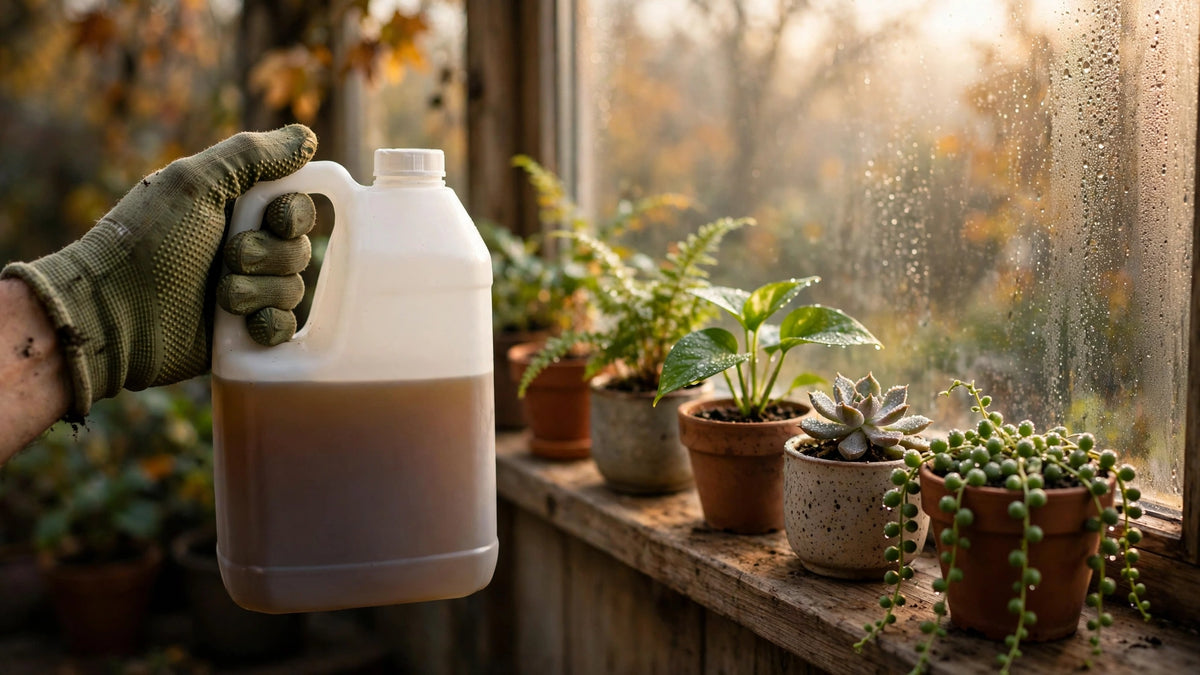
At GS Plant Foods, our Organic Liquid Kelp delivers over 60 trace minerals, along with natural cytokinins and auxins, to support healthy growth and stress tolerance. Applied in early spring as trees emerge from dormancy, kelp provides micronutrients that many soils lack while encouraging robust root development and flowering.
Our Fish & Kelp Blend combines kelp's trace mineral benefits with the gentle, slow-release nutrition of fish hydrolysate. The amino acids in fish support protein synthesis and healthy tissue development, while organic nitrogen feeds trees gradually without the surge of soft growth that synthetic fertilizers can cause. This balanced approach is ideal for fruit trees, which benefit from steady nutrition throughout the growing season.
For improved nutrient uptake in the root zone, our Organic Liquid Humic Acid helps trees access the minerals already present in your soil. Humic acid acts as a chelator, binding nutrients in forms that roots absorb more efficiently. Applied in spring, it enhances the effectiveness of other fertilizers and supports the beneficial soil biology that keeps fruit trees thriving.
For gardeners transitioning from synthetic to organic, our 20-20-20 All Purpose Fertilizer with Kelp combines targeted NPK ratios with organic kelp for efficient absorption—perfect for fruit trees that need balanced nutrition without harsh chemical runoff.
All GS Plant Foods products are completely pet-safe and kid-friendly, making them ideal for backyard orchards where families spend time.
Check out our collection today!
Frequently Asked Questions (FAQs)
When should I wrap my fruit tree trunks for winter?
Install trunk wraps in late fall after leaves have dropped and the tree has entered dormancy, but before hard freezes set in. This timing protects the bark through winter while avoiding damage to actively growing tissue. Remove wraps in early spring once temperatures moderate to prevent moisture buildup and allow the trunk to expand naturally.
Can I use leaves as mulch around fruit trees?
Yes, shredded leaves make excellent winter mulch for fruit trees. Run them through a lawn mower first—whole leaves can mat together, blocking water and air from reaching the soil. Apply three to four inches deep, keeping mulch several inches away from the trunk. Avoid using leaves that fell from diseased trees, as they may harbor fungal spores.
How do I protect potted fruit trees from winter cold?
Container-grown fruit trees are more vulnerable because roots are exposed to cold air on all sides. Move pots to a sheltered location, such as an unheated garage or against a south-facing wall. Wrap containers with burlap or bubble wrap for insulation, and mulch the soil surface. Water sparingly through winter to keep soil slightly moist but not soggy.
Are GS Plant Foods products safe to use around fruit trees where children and pets play?
Yes, all GS Plant Foods products are 100% organic and completely safe for use around children, pets, and edible crops. You can apply GS Plant Foods fertilizers to your backyard orchard with confidence, knowing they contain no harmful chemicals that could affect your family or your fruit harvest.
*Disclaimer: This information is for educational purposes only. Always follow product label instructions and consult with qualified professionals for advice specific to your region, climate, and growing conditions. Individual results may vary based on environmental factors, soil conditions, plant species, and care practices. For specific product recommendations and application rates, visit GS Plant Foods.
Share:
How to Improve Garden Soil Over the Winter: DIY Tips & Best Fertilizer
Preparing Plants for Spring Growth with the Right Fertilizer