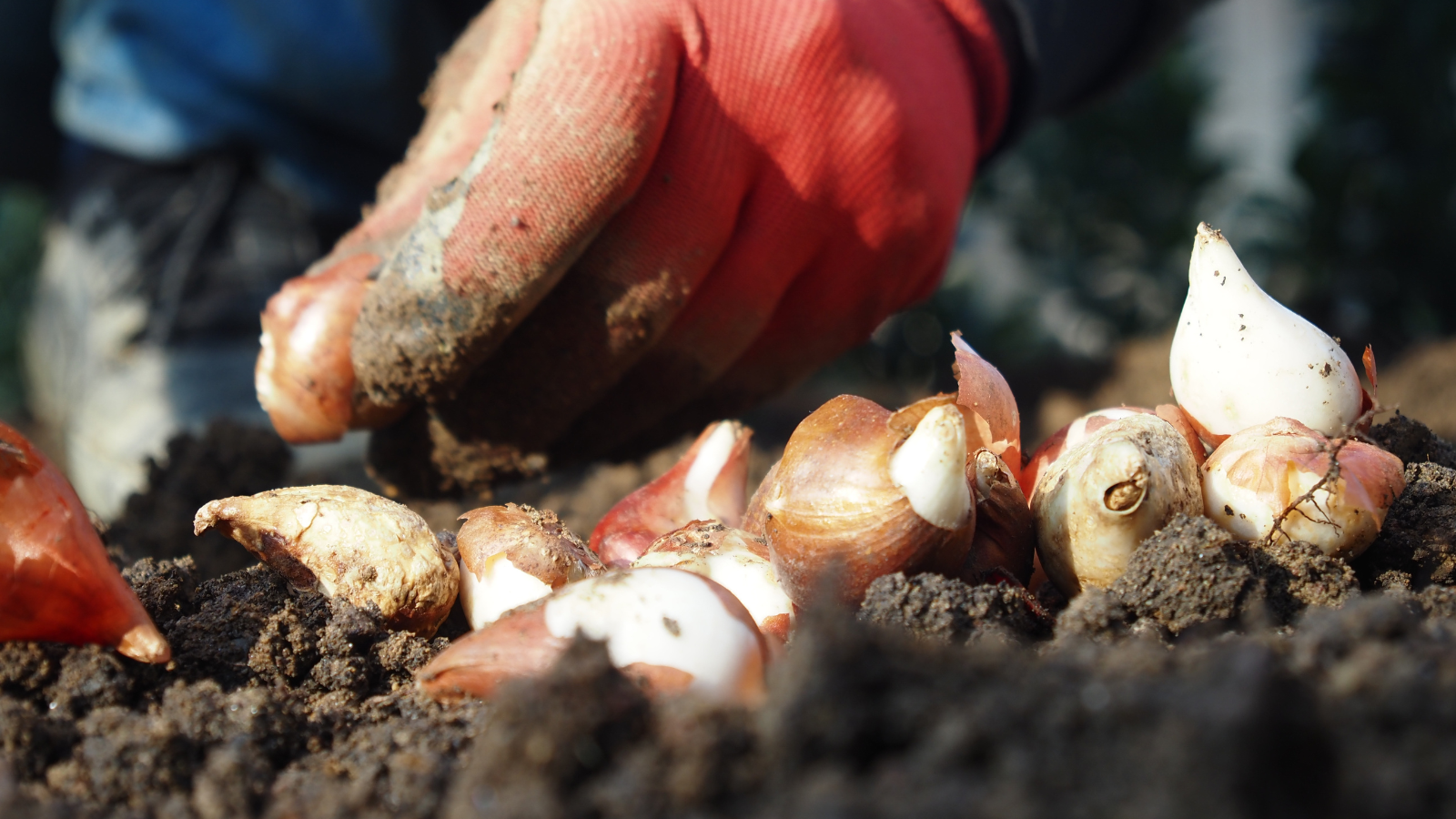
As winter fades and days grow longer, gardeners everywhere start preparing plants for spring growth. The transition from dormancy to active growth is a critical time: plants need essential nutrients to build strong roots, lush foliage, and vibrant blooms.
Choosing the best fertilizer for plants, especially one suited for early-season feeding, can make all the difference in healthy plant development.
Why Fertilizer Matters in Spring
Plants emerging from winter rest are hungry for nutrients. Fertilizers provide the primary macronutrients—nitrogen (N), phosphorus (P), and potassium (K)—that support vigorous growth.
Nitrogen fuels leafy green growth, phosphorus encourages strong roots and blooms, and potassium enhances overall plant resilience and stress tolerance. In spring, a balanced or slightly nitrogen-rich fertilizer helps plants restart their growth cycle efficiently.
Using the right fertilizer at the correct time ensures your garden gets off to the best start.
Many experts recommend waiting until the soil is workable and plants begin showing signs of new growth before applying fertilizer, rather than feeding in winter when plants are dormant.

Types of Fertilizer for Healthy Plant Growth
There’s no one-size-fits-all fertilizer, but understanding the options helps you pick what works best for your plants:
Balanced Fertilizers
Balanced fertilizers contain equal or near-equal amounts of N, P, and K. They are reliable for general plant nutrition and are often recommended in early spring for a wide range of garden plants.
Organic or Plant-Based Fertilizers
For gardeners focused on sustainability and soil health, organic options nourish plants and support soil biology.
GS Plant Food products are excellent examples of organic, plant-friendly fertilizers.
-
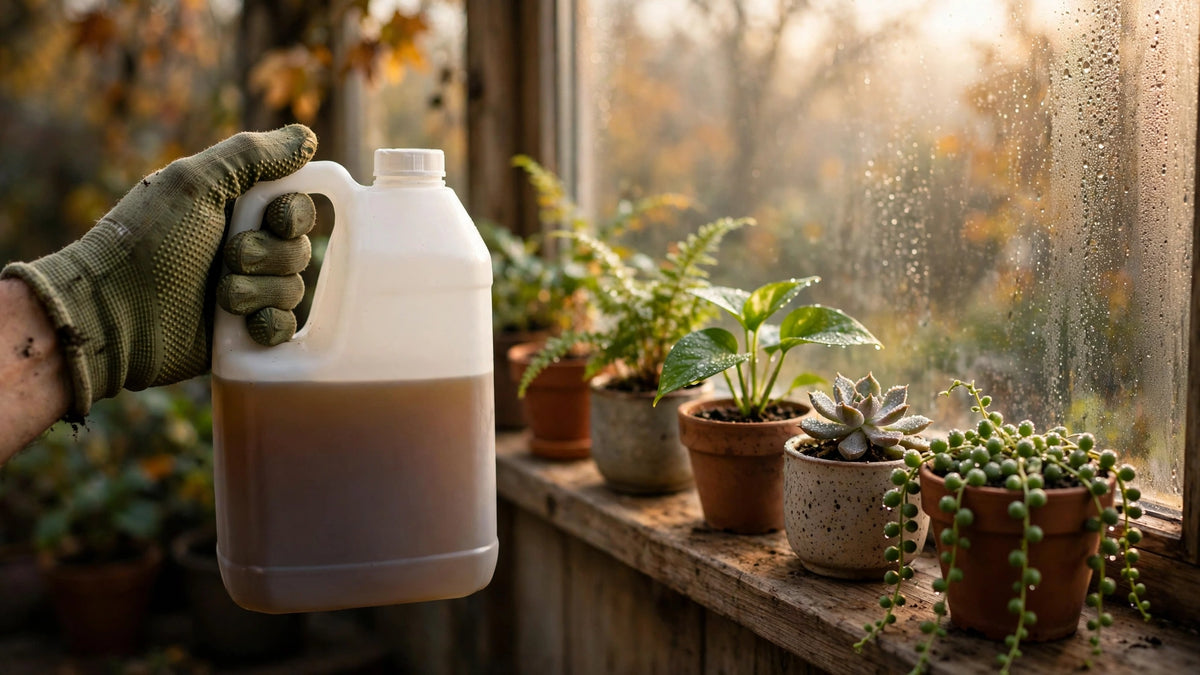
GS Plant Foods Liquid Kelp Fertilizer is a seaweed-based fertilizer rich in trace minerals and growth-promoting compounds. Seaweed helps plants manage stress and encourages root and foliage development as spring begins.

-
GS Plant Foods Green Envy Liquid Lawn Food is ideal for lawns ready to green up after winter. It delivers nutrients that support strong grass growth during the spring flush.

Amino Acid-Based Fertilizers
Amino acids act like metabolic boosters for plants. GS Plant Foods offers products that directly supply these building blocks to support rapid growth:
-
Grower’s Honey from GS Plant Foods is a plant-based amino acid fertilizer with balanced NPK that supercharges plant metabolism and encourages vigorous spring growth.

-
GS Plant Foods Amino Power Powder delivers high nitrogen and essential amino acids, helping plants achieve greener, stronger growth from early spring onward.

Flower and Bloom Enhancers
As the season progresses from leafy growth to flowers and fruits, specialized fertilizers can make a difference:
GS Plant Foods Flower Power Concentrate and GS Plant Foods Bud Doublin Premium are crafted to support stronger flowering and higher yields later in the season.

Tips for Applying Fertilizer in Spring
Wait until soil temps are consistently above freezing and plants show new growth. Applying fertilizer too early—especially in cold or frozen ground—won’t help and can even harm roots.
Remember, different products require different dilution rates. Liquid fertilizers like those from GS Plant Foods are usually applied every 1–3 weeks during active growth.
Watering after applying fertilizer helps nutrients reach roots and improves uptake, especially for granular or soil-applied products.

Finally, leafy greens, flowering plants, shrubs, and lawns all benefit from tailored nutrition. Fertilizers like amino-acid boosters are great for vigorous green growth, while kelp and bloom formulas support overall plant vigor and beautiful flowers.
Final Thoughts
Preparing plants for a successful spring growth season starts with the right fertilizer strategy.
Whether you choose balanced NPK formulas or specialized organic options, proper feeding gives your garden a healthier start and stronger performance throughout the season. Organic, plant-based fertilizers like those from GS Plant Food offer powerful, eco-friendly nutrition that helps gardens thrive naturally—producing lush greens, abundant blooms, and resilient plants ready for whatever the growing season brings.
Share:
Fruit Tree Winter Protection: Wrapping, Soil & Fertilizer Tips
What Makes GS Plant Foods Fertilizers a Smart Investment for Growers