Key Takeaways
-
Phosphorus is the most critical nutrient for root development; look for fertilizers with a higher middle number in the NPK ratio.
-
Organic options like seaweed extract provide slow-release nutrients that support steady root growth without burning.
-
Apply root fertilizers at planting, during early growth stages, and during recovery periods for best results.
-
Proper application techniques, such as soil drenching and root dipping, ensure nutrients reach the root zone where they're needed.
-
GS Plant Foods offers organic root-promoting formulas, including Liquid Kelp, Root Ruckus, and Liquid Fish, all of which are safe for use around pets and children.
The Importance of Roots For Healthy Plant Growth
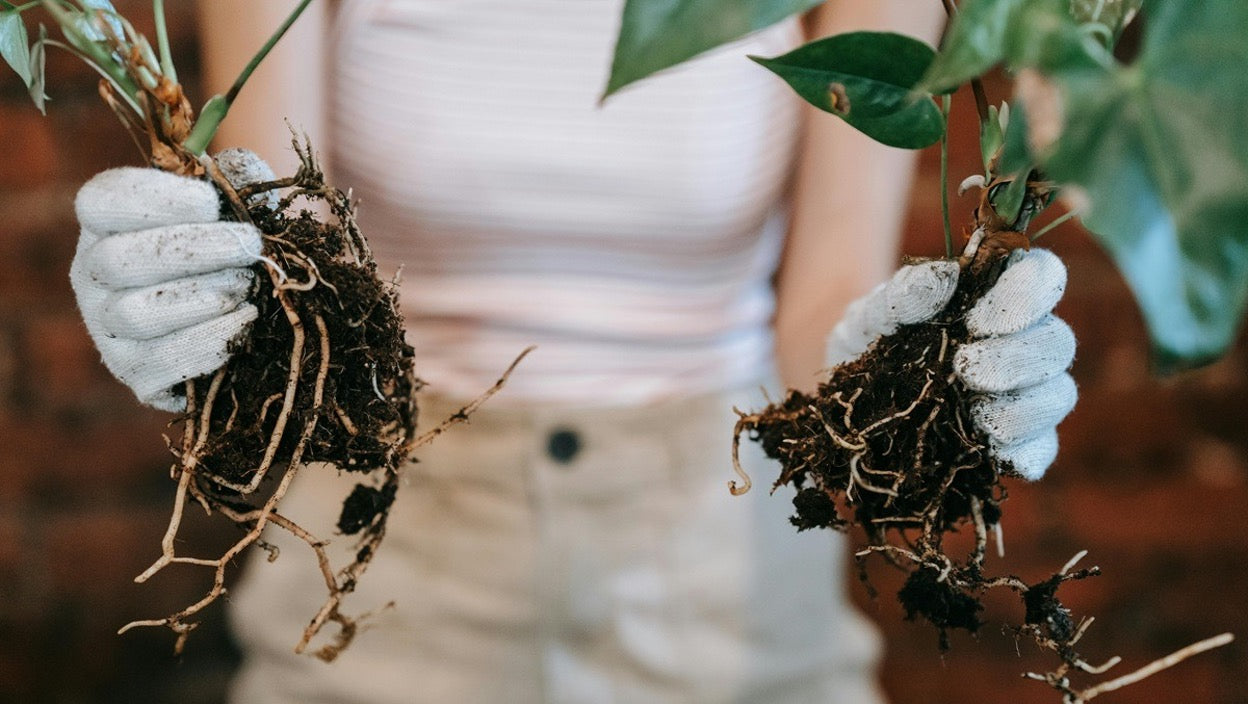
Roots do far more than anchor your plants. They absorb water and nutrients, store energy, and interact with beneficial soil microbes. Some even connect with neighboring plants through underground fungal networks.
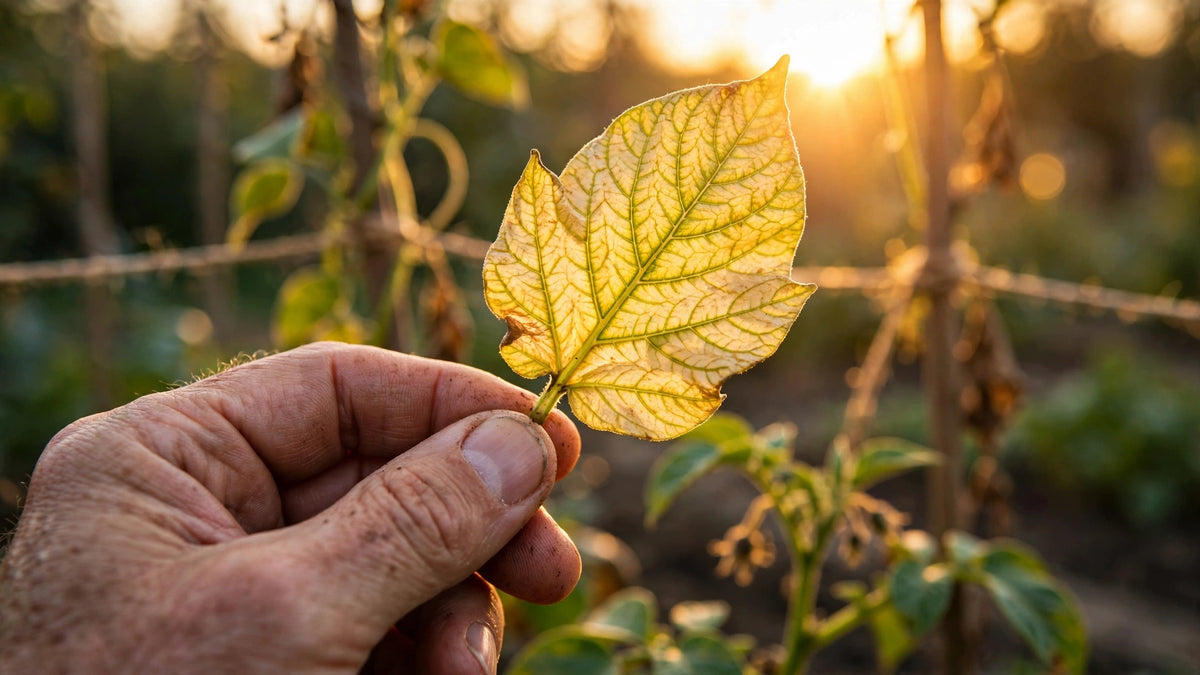
When roots struggle, it shows above ground: yellowing leaves, stunted growth, and increased vulnerability to pests and disease. Plants with strong root systems handle drought better, recover faster from transplanting, and access nutrients from a larger soil volume.
|
GS Plant Foods: Organic Fertilizers That Actually Work 12+ Years Proven Results | Trusted by 1M+ Customers | Pet & Kid-Safe
Grow Naturally Without Compromise:From bestselling Liquid Fish to proprietary blends like Green Envy, GS Plant Foods delivers professional-grade nutrition using kelp, humic acid, and seaweed extracts. Whether you're nurturing orchids, reviving your lawn, or caring for houseplants, their organic formulas absorb faster and reduce runoff—giving you visible results without harsh chemicals. Why Gardeners Choose GS:
Your plants deserve nutrition that works as hard as you do. |

Critical Nutrients That Fuel Root Growth
Nitrogen: Best For Overall Plant Health
Nitrogen is an essential nutrient that supports overall plant health, but too much works against root development. High nitrogen favors leafy growth at the expense of roots. For root-focused feeding, choose fertilizers with a moderate nitrogen concentration to support the plant's overall wellness.
Phosphorus: The Foundation of Root Development
Phosphorus drives energy transfer and cell division, which power root growth. It fuels lateral root formation and early establishment. Young plants depend heavily on phosphorus availability during this stage.
On fertilizer labels, the middle number in the NPK ratio represents phosphorus. Note that phosphorus is immobile in soil and tends to stay near where it's applied, so placement matters.
Potassium: Strengthening Root Function
Potassium helps roots work efficiently. It regulates water movement within plant tissues, strengthens cell walls, and improves stress tolerance. Roots with adequate potassium show better water uptake, disease resistance, and cold hardiness. When potassium levels are low, plants may wilt even in moist soil due to reduced turgor pressure.
Calcium: Building Strong Cell Walls
Calcium forms the structural framework of root cell walls. Without enough calcium, roots become weak and vulnerable to soil-borne pathogens.
Zinc & Iron: The Often Forgotten Micronutrients
Zinc supports auxin production: the hormone responsible for root elongation and branching. Iron powers the enzymatic reactions that drive cellular respiration in roots. Deficiencies in these micronutrients are easy to miss but can limit root performance. Compost and seaweed extract provide these trace elements in plant-available forms.
Best Fertilizers for Powerful Root Growth
1. Liquid Fish Fertilizer

Liquid Fish delivers a 2-3-1 NPK ratio, an ideal quick-release nutrition for seedlings and transplants.
GS Plant Foods' Liquid Fish fertilizer features a 2-3-1 NPK ratio with higher phosphorus, making it ideal for root development. It is OMRI-listed, cold-pressed to retain nutrients, and supplies amino acids and trace minerals, including calcium, magnesium, and sulfur. It also feeds beneficial soil microorganisms.
Apply as a soil drench at 2–3 tablespoons per gallon of water every two weeks during active growth, or use at half-strength weekly for container plants.
2. Seaweed Extract

Liquid Kelp contains natural cytokinins and auxins that stimulate root hair formation and lateral branching.
Seaweed extract is a powerful biostimulant, packed with 60+ trace minerals and natural growth hormones, including cytokinins and auxins. These compounds promote lateral root development and root hair formation, thereby increasing the root's absorption surface area.
Research confirms seaweed extract improves plant resilience during drought, temperature stress, and transplanting. GS Plant Foods' Liquid Kelp, made from cold-processed Norwegian Ascophyllum nodosum, is one example of an OMRI-listed seaweed extract designed for regular use. Best results come from diluted weekly applications rather than occasional heavy doses.
3. Mycorrhizal Fungi

Root Ruckus combines humic acid, kelp, and mycorrhizae for complete root support.
Mycorrhizal fungi aren't fertilizers. They're symbiotic organisms that colonize roots and extend their reach into the surrounding soil. The fungi deliver water and nutrients that roots couldn't access on their own, improving drought tolerance and nutrient uptake. In exchange, the plant provides carbohydrates. For a combined approach, GS Plant Foods' Root Ruckus pairs endo-mycorrhizae with humic acid and liquid kelp, so you get root colonization and biostimulant benefits in a single application.
How to Apply Root Fertilizers the Right Way
1. Drenching
Drenching delivers nutrients directly to established root systems by saturating the soil with a diluted fertilizer solution. Create a small basin around the plant to prevent runoff, then apply slowly. Larger plants may take 5–10 minutes to fully absorb. This method reaches deeper roots faster than surface applications.
2. Root Dipping
When transplanting seedlings or bare-root plants, root dipping provides exceptional support for establishment. This technique involves creating a slurry of water, root-promoting fertilizer, and often beneficial fungi, then briefly immersing the root system before planting. The coating adheres to root surfaces, providing immediate nutrition and protection against transplant shock.
3. Top Dressing
Container plants benefit tremendously from top-dressing with slow-release granular root fertilizers. Simply apply a thin layer of fertilizer to the soil surface, being careful to keep it away from direct stem contact. Each watering will carry small amounts of nutrients downward into the root zone, providing consistent feeding without the salt buildup that can occur with liquid fertilizers.
4. Foliar Feeding
While not directly applied to roots, foliar feeding indirectly supports root development by temporarily bypassing damaged or stressed root systems. Nutrients absorbed through leaf surfaces support photosynthesis, which generates the carbohydrates roots need for growth and repair. During recovery periods, this approach maintains plant function while the root system heals and regains absorption capacity.
Timing Your Application for Maximum Benefit

Transplanting is one of the best windows to apply root fertilizers as roots are actively establishing.
Time fertilization to match natural growth cycles. In most regions, early spring applications deliver nutrients just as root growth accelerates after dormancy. For woody perennials, a second application in early fall supports root development that continues after above-ground growth slows.
Apply phosphorus-rich formulas during planting and transplanting. Switch to balanced formulations during active growth. Reduce or stop applications during dormancy.
Weather matters too. Apply granular products before light rain, or water thoroughly after. Avoid fertilizing during extreme heat, as it can stress roots and cause burning. Keep soil consistently moist—not saturated—for best absorption.
Summary Table: Best Fertilizers for Root Growth
|
Product |
Key Ingredients |
Best For |
How It Works |
|
Liquid Fish Fertilizer |
2-3-1 NPK, amino acids, calcium, magnesium, sulfur |
Seedlings, transplants, container plants |
Higher phosphorus ratio targets root development; cold-pressed and OMRI-listed; feeds soil microorganisms |
|
Liquid Kelp Seaweed Extract |
60+ trace minerals, cytokinins, auxins |
Transplant recovery, stress tolerance, and lateral root growth |
Natural growth hormones stimulate root hair formation and branching; increases absorption surface area |
|
Root Ruckus! |
Humic acid, liquid kelp, endo-mycorrhizae |
Complete root support, soil detox, and establishment |
Mycorrhizae extend root reach; humic acid boosts nutrient uptake; combined biostimulant and colonization benefits |
How GS Plant Foods Helps Your Roots Thrive

From liquid kelp to fish emulsion, GS Plant Foods delivers organic nutrition for stronger roots.
GS Plant Foods started over 12 years ago when our founder discovered a powerful organic formula that revived orchids — and we've been helping gardeners grow naturally ever since. We offer several organic formulas designed to support root development at every stage of growth. These products deliver root-boosting nutrients without the risk of salt buildup or chemical burn.
Our Liquid Kelp is made from cold-processed Norwegian Ascophyllum nodosum and packed with natural growth hormones, 60+ trace minerals, and cytokinins that promote lateral root development and root hair formation. Many gardeners use it to reduce transplant shock and improve stress tolerance during temperature extremes.
For a more comprehensive approach, Root Ruckus combines liquid humic acid, kelp, and endo mycorrhizae in one formula. Humic acid improves nutrient uptake and supports root cell development, while mycorrhizae colonize the root zone and extend their reach into the surrounding soil. Together, these ingredients help plants establish faster and access water and nutrients more efficiently.
Liquid Fish rounds out the lineup with balanced NPK nutrition (2-3-1) plus amino acids and trace minerals that support young, developing roots. It's a good option for seedlings and new transplants that need gentle, complete feeding during establishment.
All GS Plant Foods products are organic, non-toxic, and safe for households with pets and children.
Check out our full range of organic solutions for root growth!
Frequently Asked Questions (FAQs)
How often should I apply root fertilizer?
Slow-release granular fertilizers need to be applied every 4–6 weeks during active growth, while liquid formulas work best at half-strength every 7–14 days. Container plants require more frequent feeding than garden beds because nutrients leach more readily from container soil. Reduce or stop fertilizing during dormancy.
Can I use the same root fertilizer for all my plants?
Most root fertilizers work across plant types, but some need adjustments. Acid-loving plants (blueberries, azaleas, rhododendrons) require formulas with sulfur to maintain soil acidity. Vegetables benefit from higher phosphorus and potassium with moderate nitrogen to encourage roots over foliage.
What's the difference between root fertilizer and regular fertilizer?
Root fertilizers emphasize phosphorus, potassium, and calcium with moderate nitrogen to encourage underground growth. Regular fertilizers often contain more nitrogen, which promotes leaf growth over root growth. Root-specific formulas also tend to include biostimulants such as humic acid, seaweed extract, and mycorrhizae, which standard fertilizers lack.
How long does it take to see results from root fertilizer?
Transplants often show reduced stress within 7–14 days as new roots improve water uptake. Broader benefits, such as improved drought tolerance and increased growth, appear within 3–6 weeks. Fast-growing annuals respond more quickly than woody perennials, and warm soil speeds up results.
Are organic fertilizers effective for root growth?
Yes. Organic fertilizers deliver slow-release nutrition that supports steady root development without salt buildup or root burn. GS Plant Foods offers several organic options for root health, including Liquid Kelp for natural growth hormones and trace minerals, Root Ruckus for humic acid and mycorrhizae, and Liquid Fish for complete NPK nutrition.
*Disclaimer: This information is for educational purposes only. Always follow product label instructions and consult with qualified professionals for advice specific to your region, climate, and growing conditions. Individual results may vary based on environmental factors, soil conditions, plant species, and care practices. For specific product recommendations and application rates, visit GS Plant Foods.


Share:
Orchid Fertilizer: The Complete Feeding Guide for More Blooms
Humic & Fulvic Acid for Lawns: Benefits, Application & Best Fertilizers