
Key Takeaways
-
NPK 20-20-20 is a balanced fertilizer providing equal parts nitrogen, phosphorus, and potassium to support comprehensive plant growth and health.
-
This versatile fertilizer promotes strong root systems, lush foliage, vibrant flowering, and improved disease resistance across most plant types.
-
Application methods include soil incorporation, foliar sprays, and hydroponic solutions, with each method providing different absorption rates and benefits.
-
Proper dosage is critical; overapplication can damage plants and disrupt soil ecology, while correct application leads to thriving garden ecosystems.
-
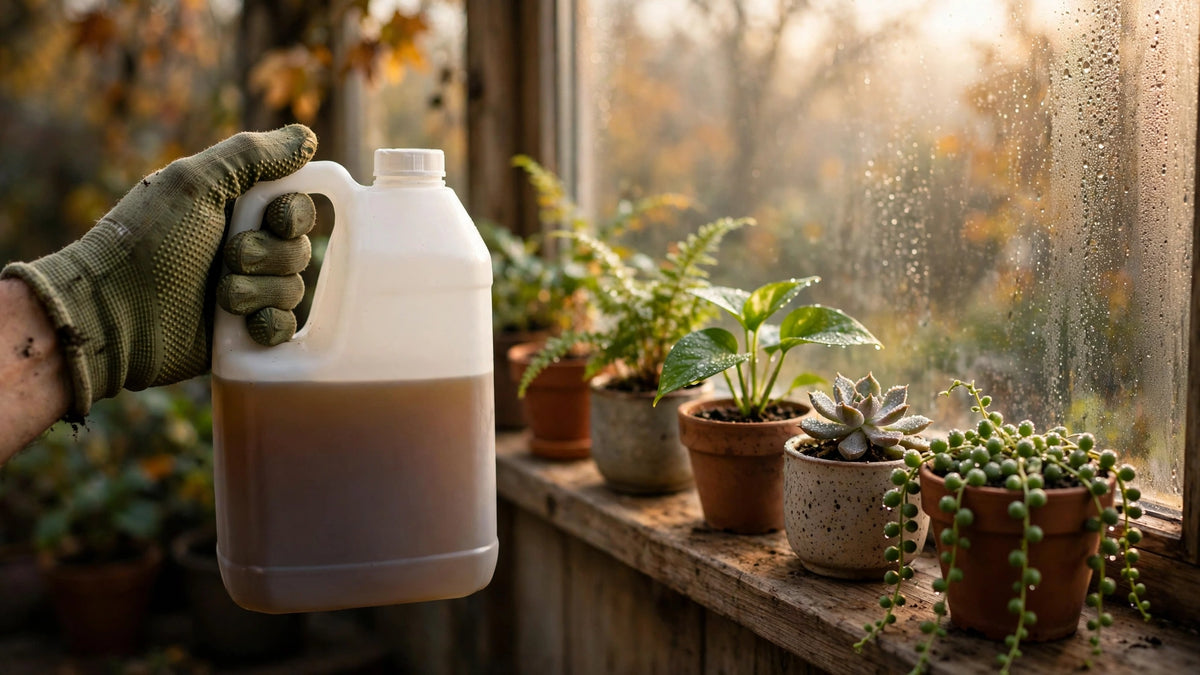
GS Plant Foods offers premium 20-20-20 formulations with organic kelp extract and micronutrients, designed to deliver optimal nutrients and support plant response across all growth stages. It contains no harmful synthetic additives and is safe for use around pets and children when applied as directed.
Understanding the NPK 20-20-20 Formula
The NPK rating on fertilizer packages tells you exactly what nutrients you're providing. These three letters represent the primary macronutrients essential for plant growth: Nitrogen (N), Phosphorus (P), and Potassium (K). The numbers indicate the percentage by weight of each nutrient in the formula.
In NPK 20-20-20 fertilizer, each nutrient makes up exactly 20% of the total weight. This equal distribution makes 20-20-20 exceptionally versatile, providing comprehensive nutrition without favoring vegetative growth over flowering or root development. The remaining 40% consists of inert ingredients and secondary nutrients that help with delivery and absorption.
Nitrogen (20%): The Growth Booster
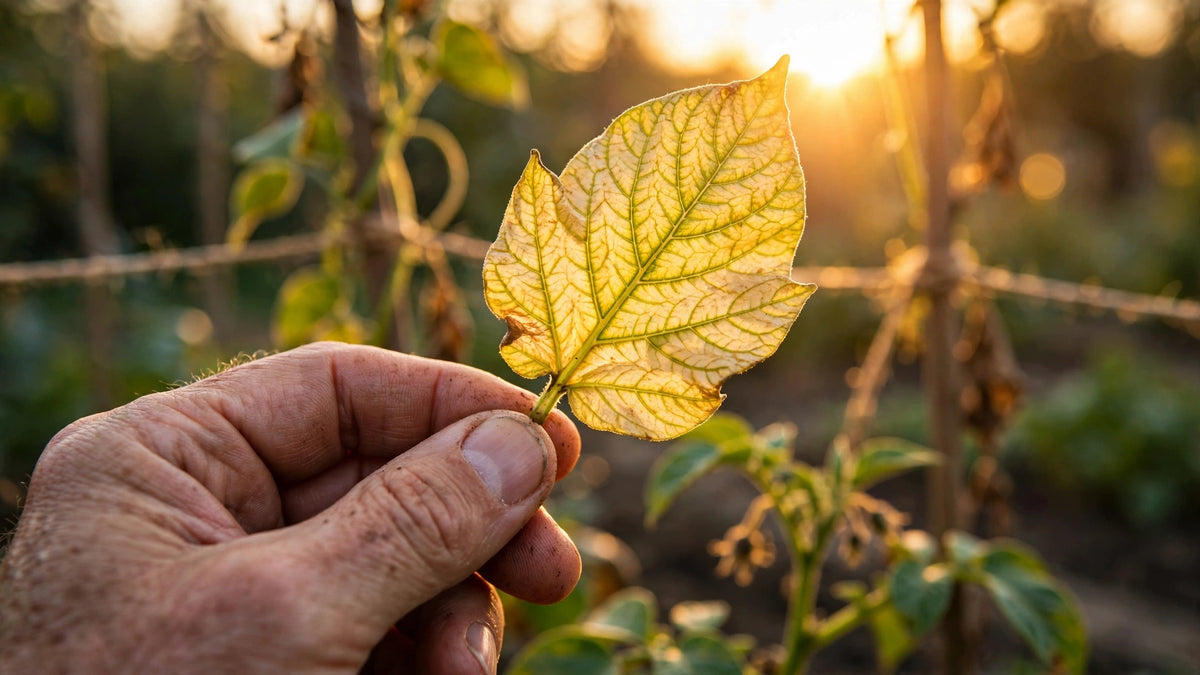
Nitrogen drives leaf and stem development, serving as the primary building block for plant proteins and chlorophyll. The 20% nitrogen content supports robust vegetative growth without promoting excessive leafy development at the expense of flowering. Plants deficient in nitrogen display yellowing leaves (chlorosis), typically starting with older leaves first.
Phosphorus (20%): Root & Flower Developer
Phosphorus promotes robust root development and drives energy transfer within plant cells. It also plays a central role in flower formation, pollination, and seed production. Plants lacking phosphorus often exhibit stunted growth, delayed flowering, and unusual purple or reddish leaf coloration.
Potassium (20%): The Plant's Defense System
Potassium regulates water movement, strengthens cell walls, and controls stomata (leaf pores), which improves drought tolerance, cold hardiness, and disease resistance. It also enhances fruit size, flavor, and color while promoting sturdier stems that better support heavy fruits and flowers.
|
GS Plant Foods: Organic Fertilizers That Actually Work 12+ Years Proven Results | Trusted by 1M+ Customers | Pet & Kid-Safe
Grow Naturally Without Compromise:From bestselling Liquid Fish to proprietary blends like Green Envy, GS Plant Foods delivers professional-grade nutrition using kelp, humic acid, and seaweed extracts. Whether you're nurturing orchids, reviving your lawn, or caring for houseplants, their organic formulas absorb faster and reduce runoff—giving you visible results without harsh chemicals. Why Gardeners Choose GS:
Your plants deserve nutrition that works as hard as you do. |

5 Major Benefits of NPK 20-20-20 Fertilizer
1. Promotes Vibrant Foliage & Strong Stems
The nitrogen component drives chlorophyll production, which is the green pigment responsible for photosynthesis. With optimal nitrogen levels, plants develop lush, vibrant foliage that efficiently converts sunlight into energy.
Beyond producing more leaves, properly nourished plants develop thicker stems and sturdier structural support. This is particularly important for tall vegetables like tomatoes and peppers, flowering perennials supporting heavy blooms, and ornamentals that need to maintain an upright habit.
2. Enhances Root Development & Nutrient Uptake
Phosphorus is the primary nutrient driving root development. The 20% phosphorus content stimulates root branching and extension, creating a more extensive network for water and nutrient absorption.
Plants with well-developed roots demonstrate improved drought tolerance, anchor more securely against wind, and build stronger relationships with beneficial soil microorganisms. This becomes especially valuable in container gardening, where root volume is limited.
3. Boosts Flowering & Fruit Production
Phosphorus and potassium work together to maximize reproductive growth. Phosphorus drives the transition from vegetative to flowering stages, while potassium enhances flower quality, fruit set, and seed development.
Together, they support increased flower bud initiation, extended flowering duration, improved pollination success, and enhanced fruit size and flavor. For edible crops, this translates into higher yields and better-quality harvests.
4. Strengthens Plant Immunity Against Diseases
Potassium plays a critical role in strengthening cell walls, regulating stomatal function, and activating defense enzyme systems. Well-nourished plants show improved resistance to fungal, bacterial, and viral infections.
Balanced nutrition also helps plants withstand environmental stressors like temperature fluctuations, drought, and high winds, reducing the need for pesticide applications and other interventions.
5. Versatile for Nearly All Plant Types
The most practical benefit of 20-20-20 is its versatility across plant species and growing conditions. From acid-loving azaleas to alkaline-tolerant vegetables, this balanced formula provides essential nutrients without causing imbalances.
For gardeners managing multiple plant types, having a single fertilizer that addresses most nutritional needs simplifies the process, reduces waste, and prevents the confusion of juggling multiple specialized products.
How to Use NPK 20-20-20 Correctly
Getting the most from your fertilizer depends on proper application. Here are the main methods and recommended rates for different growing situations.
Soil Application Methods & Rates
Direct soil application is the most common method, providing sustained nutrition as the fertilizer dissolves and releases nutrients into the root zone. For water-soluble versions like GS Plant Foods 20-20-20, mix 1 tablespoon per gallon for outdoor plants and gardens, or ¼ teaspoon per gallon for houseplants. Apply as a soil drench around the plant's drip line.
Adjust rates based on plant needs: use half-strength for light feeders like ferns and herbs, standard rates for perennials and shrubs, and full rates with increased frequency for heavy feeders like vegetables and roses. For container plants, reduce concentration by 25% to prevent salt buildup. Always water thoroughly after application and apply when soil temperatures reach at least 60°F (15°C) for best results.
Foliar Spray Technique for Quick Results

Foliar spraying delivers nutrients directly through leaves for rapid absorption.
When plants need a rapid nutrient boost or show deficiency symptoms, foliar application delivers nutrients directly through the leaf surface for almost immediate uptake. Dilute to approximately half the soil application concentration.
Apply early morning or late afternoon when temperatures are cooler, and stomata are open. Avoid spraying during midday heat when rapid evaporation might concentrate the solution and burn foliage. For maximum effectiveness, thoroughly coat both upper and lower leaf surfaces, where most stomata are located.
Foliar feeding provides quick but temporary results, typically requiring repetition every 10–14 days during active growth.
Hydroponics & Drip Irrigation Applications
The complete water solubility of 20-20-20 makes it ideal for hydroponic systems and drip irrigation. For hydroponics, start at ¼–½ strength (500–1000 ppm), depending on plant type and growth stage. Monitor electrical conductivity (EC), which is a measure of nutrient concentration and pH levels, regularly, as these systems can fluctuate rapidly.
Dosage Guidelines for Different Plants
Proper dosing varies by plant type, growth stage, and environment. Here's how to adjust for different situations.

From heavy-feeding vegetables to delicate houseplants, proper dosing prevents waste and keeps plants thriving.
Vegetable Gardens
Most vegetables are heavy feeders. Apply 1 tablespoon per gallon of water every 2–3 weeks during active growth. Leafy greens respond particularly well, developing rich color and crisp texture. Fruiting vegetables like tomatoes and peppers benefit from consistent applications from early growth through harvest. Herbs generally need half-strength solutions to prevent dilution of essential oils.
Flowering Plants & Ornamentals
For annuals like petunias and marigolds, apply 1 tablespoon per gallon every two weeks to support continuous bloom production. Perennials typically need monthly applications during the growing season. Roses and flowering shrubs do well with applications every 2–3 weeks, starting at bud break in spring. Container-grown flowers may need weekly half-strength feeding due to limited soil volume.
Lawn & Turf Applications
For lawns, mix 1 ounce per gallon of water to cover 100 square feet. Apply every 3–4 weeks during active growth. Cool-season grasses benefit most from spring and fall applications, while warm-season grasses respond best from late spring through early fall. Water thoroughly after application to prevent burn and activate nutrient release.
Houseplants
Indoor plants need much lower concentrations. Apply ¼ teaspoon per gallon of water with regular watering during spring and summer. Reduce or stop feeding during winter dormancy. For sensitive plants like orchids and African violets, this dilute "weakly, weekly" approach prevents over-fertilization. Always apply to damp soil and occasionally flush pots with plain water to prevent salt buildup.
Trees & Shrubs
Established woody plants need less frequent feeding. Apply 1 tablespoon per gallon in early spring before bud break and again in fall after leaf drop. Focus the application on the drip line where feeder roots are concentrated, not near the trunk. Newly planted trees benefit from more frequent, dilute applications during their first two years.
Grow Healthier Plants with GS Plant Foods 20-20-20 Fertilizer

Versatile for indoor/outdoor use, GS Plant Foods 20-20-20 kelp-enhanced fertilizer boosts yield and resilience across plants.
A balanced fertilizer takes the guesswork out of plant nutrition. With equal parts nitrogen, phosphorus, and potassium, NPK 20-20-20 supports every stage of plant growth, from strong roots and lush foliage to abundant flowers and fruit. It's the simplest "all-in" method for providing complete nutrition to vegetables, lawns, houseplants, shrubs, and everything in between.
GS Plant Foods 20-20-20 All Purpose Fertilizer bridges the gap between synthetic efficiency and organic benefits. The formula combines balanced NPK ratios with organic kelp extract and chelated micronutrients (iron, zinc, manganese), delivering faster absorption and significantly reduced environmental runoff compared to traditional synthetic fertilizers.
It's the ideal choice for conventional gardeners who want predictable NPK performance without compromising on sustainability. Application is straightforward: mix 1 tablespoon per gallon for outdoor plants, 1 ounce per gallon to cover 100 square feet of lawn, or just ¼ teaspoon per gallon for houseplants. A single 3-pound bag treats up to 4,800 square feet of turf.
Our 20-20-20 fertilizer is eco-friendly, contains no harmful synthetic additives, and is safe for edibles with a zero-harvest interval.
For even better results, pair 20-20-20 with other GS Plant Foods products. Our Organic Liquid Humic Acid boosts fertilizer efficiency by up to 30%, helping plants absorb more of what you apply. Root Ruckus combines humic acid, kelp, and mycorrhizae to strengthen roots and improve soil health.
For stressed or struggling plants, Superfection Emergency First Aid delivers quick recovery and sustained vitality. You can check out our full range of fertilizers and give your plants the nutrition they need to thrive.
For over 12 years, GS Plant Foods has helped gardeners achieve professional-grade results using organic inputs. What started with reviving orchids has grown into a trusted brand serving over 1 million customers.
Check out our collection today!
Frequently Asked Questions (FAQs)
Is NPK 20-20-20 safe around pets and children?
GS Plant Foods 20-20-20 is formulated without harmful synthetic additives and is safe for use in family gardens when applied according to label directions. As with any fertilizer, keep pets and children away from treated areas until the product has been watered in and the soil has dried. The organic kelp component makes it a gentler choice compared to harsh chemical fertilizers.
How often should I apply NPK 20-20-20 fertilizer?
For most garden plants during active growth, apply every 2 to 3 weeks. Container plants need more frequent feeding, generally every 7–10 days, due to nutrients leaching with regular watering. Houseplants require monthly applications during the growing season and little to no feeding during dormancy.
Can I mix NPK 20-20-20 with other fertilizers or pesticides?
NPK 20-20-20 is compatible with most fungicides, insecticidal soaps, and seaweed extracts, but may react with copper-based or calcium products. When in doubt, apply products separately with at least 24 hours between applications. Always check product labels for specific compatibility information.
How long does NPK 20-20-20 take to show results?
Foliar applications show the fastest response, often within 24–48 hours. Soil applications typically take 3–7 days to produce visible improvements, depending on soil temperature and moisture. For flowering plants, expect noticeable improvements in bud development approximately 10–14 days after application.
Is NPK 20-20-20 suitable for organic gardening?
Standard 20-20-20 formulations are synthetic fertilizers not approved for certified organic production. However, GS Plant Foods' 20-20-20 contains organic kelp extract and no harmful synthetic additives, making it a safe choice for eco-friendly gardening. The added kelp provides natural micronutrients and growth hormones that support plant health beyond what standard 20-20-20 formulas offer.
*Disclaimer: This information is for educational purposes only. Always follow product label instructions and consult with qualified professionals for advice specific to your region, climate, and growing conditions. Individual results may vary based on environmental factors, soil conditions, plant species, and care practices. For specific product recommendations and application rates, visit GS Plant Foods.
Share:
Pet-Safe Lawn Fertilizer: Top Organic Options & How to Use
Humic Acid for Plants: Benefits, Dosage & How to Apply