Key Takeaways
-
Kelp fertilizer contains 60+ trace minerals and natural growth hormones that support healthier vegetable growth, improved quality, and higher yields.
-
Foliar spray is the most effective application method, allowing vegetables to absorb nutrients directly through their leaves within hours.
-
Regular kelp application can significantly increase vegetable yields while supporting long-term soil health.
-
Kelp helps vegetables develop stronger root systems and natural resistance to environmental stress and common diseases.
-
GS Plant Foods offers organic kelp fertilizers that are listed by the Organic Materials Review Institute (OMRI) for certified organic vegetable production. All products are safe for use around pets and children.
What Is Kelp Fertilizer & Why Does It Work?
Kelp fertilizer is a natural plant supplement derived from seaweed, primarily Ascophyllum nodosum, harvested from cold northern waters. Unlike conventional fertilizers, which simply deliver nutrients, kelp acts as both a biostimulant and a nutrient source, enhancing growth, fruiting, and stress resilience.
The power of kelp lies in its biochemical composition: 60+ trace minerals, vitamins, amino acids, and natural plant hormones (cytokinins, auxins, gibberellins). These compounds influence cell division, root development, and overall plant vigor in ways that synthetics can't replicate.
Kelp also works with your soil biology. It contains alginic acid, which feeds beneficial microorganisms that form symbiotic relationships with vegetable roots, creating a more efficient nutrient delivery system all season long.
|
GS Plant Foods: Organic Fertilizers That Actually Work 12+ Years Proven Results | Trusted by 1M+ Customers | Pet & Kid-Safe
Grow Naturally Without Compromise:From bestselling Liquid Fish to proprietary blends like Green Envy, GS Plant Foods delivers professional-grade nutrition using kelp, humic acid, and seaweed extracts. Whether you're nurturing orchids, reviving your lawn, or caring for houseplants, their organic formulas absorb faster and reduce runoff—giving you visible results without harsh chemicals. Why Gardeners Choose GS:
Your plants deserve nutrition that works as hard as you do. |

5 Major Benefits of Kelp Fertilizer for Vegetables
Using kelp fertilizer in your vegetable garden offers benefits that go beyond basic plant nutrition. Here's why vegetable growers consistently turn to kelp for superior results:

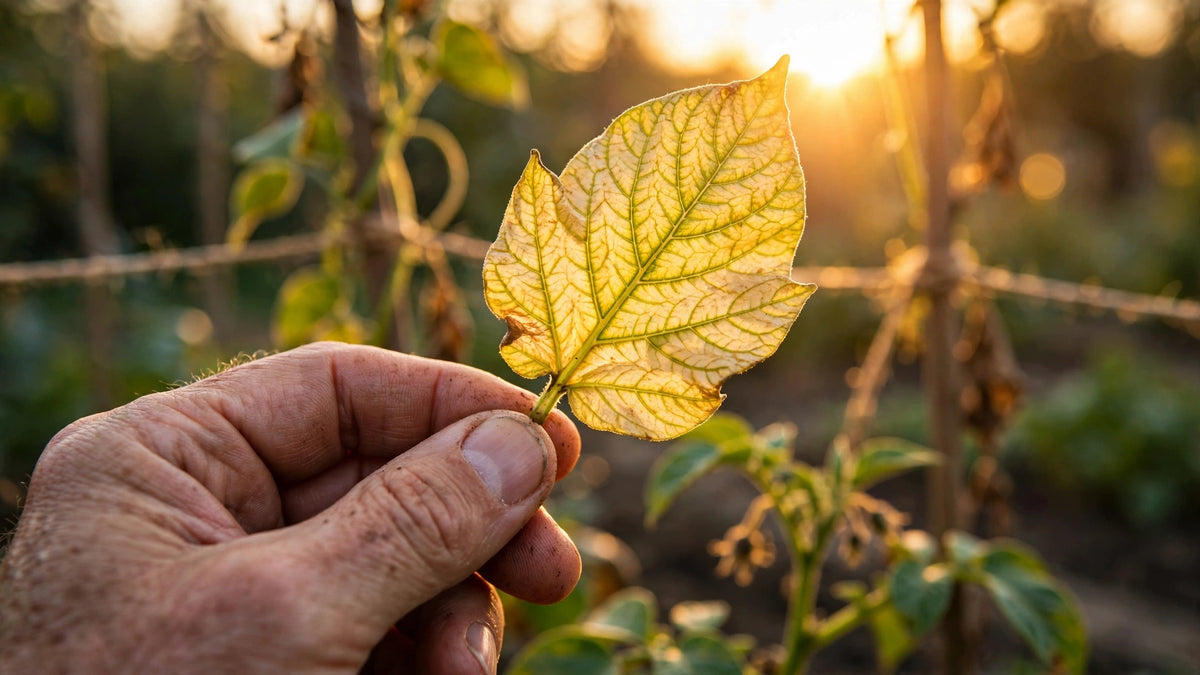
Kelp fertilizer boosts the natural disease resistance and stress tolerance of vegetables.
1. Growth Hormone Boost for Faster Development
The natural plant hormones in kelp fertilizer alter how vegetables grow. Cytokinins accelerate cell division, resulting in faster growth rates and more vigorous plants from germination onward.
Auxins stimulate root development, allowing vegetables to establish themselves more quickly and access nutrients more effectively throughout the growing season.
These growth regulators work in harmony with biological systems, triggering responses that synthetic fertilizers cannot. When applied during critical growth phases, kelp fertilizer can help shorten the time to harvest. This is beneficial in regions with shorter growing seasons.
2. Enhanced Root Systems & Nutrient Absorption
Kelp fertilizer transforms root development through multiple mechanisms. Naturally occurring auxins stimulate lateral root formation, creating more extensive root systems that can access nutrients from a wider soil area. This helps heavy feeders like tomatoes and peppers that need consistent nutrition throughout their long growing season.
Beyond encouraging larger root systems, kelp enhances nutrient uptake efficiency. The alginic acid in seaweed extracts acts as a natural chelating agent, making existing soil nutrients more bioavailable, even in challenging soil conditions.
3. Natural Disease & Pest Resistance
One of the most remarkable benefits of kelp fertilizer is its ability to strengthen vegetables' natural immune responses. The complex polysaccharides in kelp extracts activate systemic acquired resistance pathways within plants, essentially "turning on" defense mechanisms before pathogens even appear.
Research suggests that regular kelp applications can significantly reduce the incidence of common vegetable diseases, such as powdery mildew, early blight, and various bacterial infections. It achieves this by boosting the plant's innate resistance to infection.
4. Improved Stress Tolerance in Extreme Weather
Climate resilience is essential for successful vegetable growing, and kelp fertilizer provides exceptional protection against environmental stressors. The mannitol compounds in kelp extracts regulate osmotic pressure within plant cells, preventing moisture loss during drought conditions and protecting against heat stress.
This stress protection extends to cold tolerance as well. Vegetables treated with kelp fertilizer have demonstrated improved resistance to early frost damage, often extending the growing season in temperate climates.
5. Higher Yields & Better-Tasting Vegetables
The benefits of kelp fertilizer culminate in improved harvest quality and quantity. A 2024 meta-analysis of field studies found that seaweed fertilizer application increased vegetable yields by an average of 13–15%, with some crops showing even greater gains.
Beyond increasing production, kelp fertilizer enhances nutritional content and flavor. The increased mineral uptake results in more nutrient-dense produce with improved taste. One reason many commercial organic growers consider kelp essential for premium vegetables.
How to Apply Kelp Fertilizer to Vegetables

Soil drenching with kelp improves root zone conditions and supports straighter, more uniform root development.
Soil Drench for Deep Feeding
Soil drenching feeds both plants and beneficial soil microbes. This is useful for established vegetables or during fruiting stages.
Mix 2–4 oz of kelp concentrate per gallon of water, then apply to the root zone. For best absorption, apply when the soil is moist but not saturated. Use monthly as a supplement to your regular fertilization program.
Foliar Spray (Most Effective Method)
Foliar application delivers the fastest results. Plants absorb beneficial compounds through their stomata within hours. Apply early morning or late afternoon when stomata are open, and temperatures are moderate.
Standard foliar rate:
-
1.5–2 oz liquid kelp concentrate per gallon of water
-
Apply weekly throughout the growing season
-
Use a fine mist sprayer for even coverage
-
Spray both top and bottom leaf surfaces
Remember: Use non-chlorinated water when possible, and spray until leaves are thoroughly wet but not dripping.
Seed Soaking for Stronger Seedlings
Soaking seeds in diluted kelp solution before planting can accelerate germination and early development, especially for slower-germinating vegetables like peppers, parsley, and carrots.
Soak seeds for 8–24 hours (smaller seeds need less time), then plant immediately without rinsing.
Kelp Fertilizer Costs: Is It Worth It?
Kelp fertilizer serves multiple functions: growth stimulation, stress protection, and disease resistance that would otherwise require separate products. A single bottle of concentrated kelp extract can reduce the need for additional sprays and supplements.
Concentrated products deliver far greater value than ready-to-use formulas. For example, GS Plant Foods Organic Liquid Kelp ($39.95/gallon) makes up to 800 gallons of diluted solution, bringing the cost per application to just pennies.
For gardeners who want added NPK nutrition, the Fish & Kelp Blend ($38.95/gallon) combines cold-processed fish (NPK 2-3-1) with Norwegian kelp for a complete feeding and biostimulant in one.
For regular use throughout the growing season, concentrates are the most economical choice.
Vegetable-Specific Kelp Application Tips
Tomatoes & Peppers
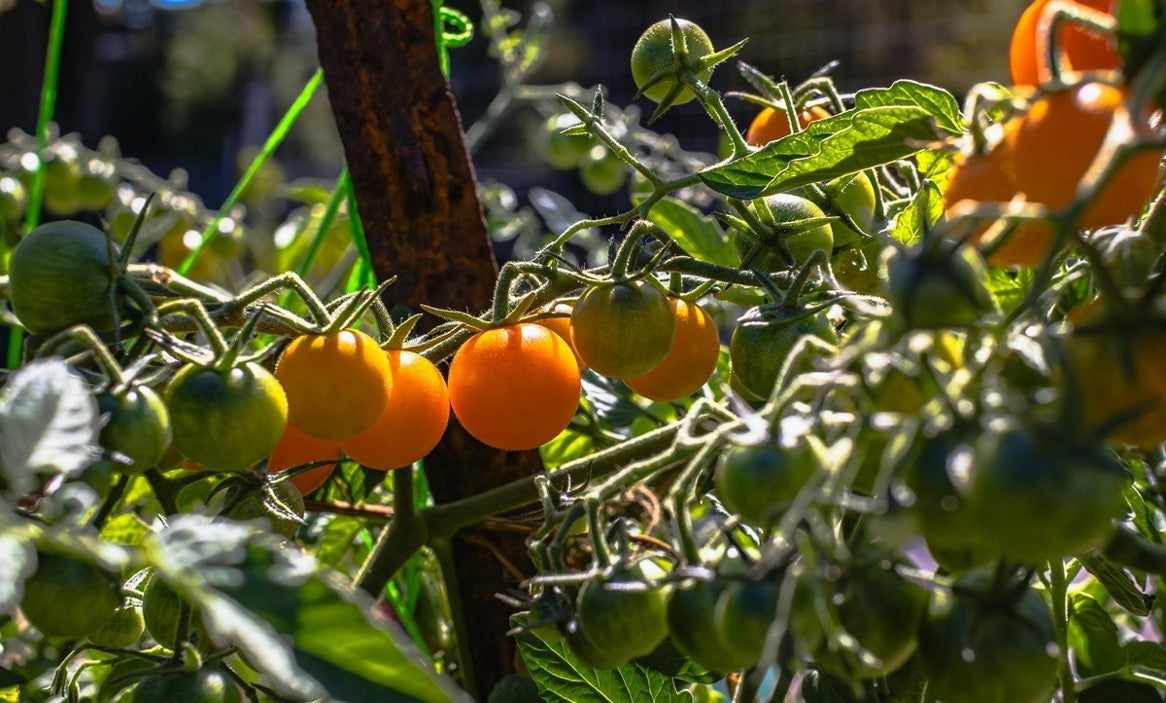
Nightshades, such as tomatoes and peppers, are prone to blossom end rot when calcium uptake is insufficient. Kelp contains natural chelating agents that improve calcium absorption and mobility, helping reduce this common issue. Apply a foliar spray weekly during fruit development, covering both foliage and developing fruit.
For determinate varieties, increase frequency to every 5–7 days during fruit set. Indeterminate varieties benefit from consistent weekly applications throughout their longer production season. The gibberellins in kelp also support more uniform ripening and improved flavor.
Leafy Greens
Leafy greens respond well to kelp, showing faster growth, deeper color, and improved nutritional quality. The cytokinins in kelp promote rapid cell division, while trace minerals boost chlorophyll production.
Begin foliar applications when plants have 3–4 true leaves, then continue weekly until harvest. For best results, apply a soil drench before planting each new bed to support beneficial soil biology.
Root Vegetables
Root crops benefit from kelp's ability to improve soil structure and nutrient availability in the root zone. Apply as a soil drench at planting, then follow with foliar sprays every 2–3 weeks. The alginates in kelp improve soil aggregation, promoting straighter, more uniform roots with fewer forks.
How GS Plant Foods Kelp Fertilizers Help Your Vegetables Thrive

GS Plant Foods Organic Liquid Kelp is OMRI Listed and made from cold-processed Norwegian Ascophyllum nodosum seaweed.
GS Plant Foods began over 12 years ago when founder Francis discovered the power of kelp-based organic formulas to revive struggling orchids. Today, that same commitment to effective, natural nutrition drives every product we make.
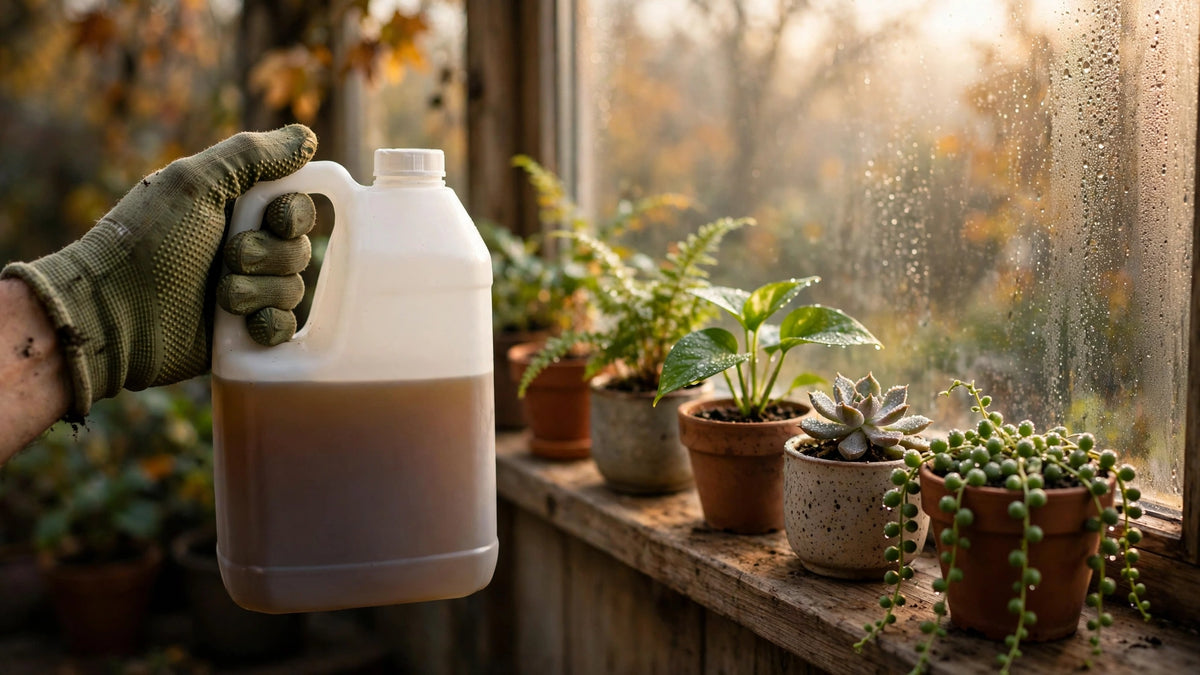
Our Organic Liquid Kelp is OMRI Listed and packed with 60+ trace minerals and natural plant hormones. One gallon of concentrate makes up to 800 gallons of diluted solution, making it one of the most economical options for season-long vegetable feeding. Use it as a weekly foliar spray or monthly soil drench to support stronger roots, healthier foliage, and improved stress resistance.
For gardeners who want kelp benefits plus complete NPK nutrition, the Fish & Kelp Blend combines cold-processed fish fertilizer (NPK 2-3-1) with Norwegian kelp in a single OMRI-certified formula. It feeds both plants and soil microbes, ideal for heavy-feeding vegetables like tomatoes, peppers, and squash.
If you prefer a water-soluble powder with balanced nutrition, the 20-20-20 All Purpose Fertilizer with Kelp delivers equal parts nitrogen, phosphorus, and potassium, along with organic kelp extract and chelated micronutrients, including iron, zinc, and manganese.
For hot climates or drought-prone gardens, Kelp + Yucca pairs kelp with yucca extract, a natural wetting agent that helps water penetrate soil more evenly. It reduces dry spots and improves moisture retention between waterings.
For vegetables showing signs of transplant shock or severe stress, Growth Impact provides concentrated plant hormones and enzymes that can help revive struggling plants quickly.
All GS Plant Foods kelp products are non-toxic and safe to use around pets and children.
Check out our collection today!
Frequently Asked Questions (FAQs)
How often should I apply kelp fertilizer to my vegetables?
For most vegetable gardens, applying kelp as a foliar spray every 10–14 days works well, while soil drenches can be done monthly. During periods of stress, such as heat or drought, or when fruits are developing, you can increase applications to weekly. Consistency matters more than a single, large dose.
Can kelp fertilizer burn my plants like chemical fertilizers?
Kelp fertilizer is very unlikely to burn your plants, even if slightly overapplied. It has a low salt index and contains gentle, natural compounds rather than harsh synthetic salts. This makes it especially safe for seedlings, stressed plants, and hot-weather applications.
What's the difference between kelp meal and liquid kelp fertilizer?
Kelp meal is a slow-release soil amendment that breaks down over time, while liquid kelp delivers immediately available nutrients through roots or foliage. Many growers use both: kelp meal before planting for long-term benefit, and liquid throughout the season for quicker results.
Can I use kelp fertilizer on all types of vegetables?
Absolutely! Kelp fertilizer benefits all vegetable types, from leafy greens to root crops to fruiting plants. Heavy feeders like tomatoes, peppers, and cucumbers often show the most noticeable improvements in growth, disease resistance, and yield.
Is kelp fertilizer safe for organic vegetable gardens?
Kelp fertilizer is one of the most widely recommended inputs for organic growing. GS Plant Foods Liquid Kelp is OMRI Listed, meaning it meets strict organic certification standards. It also supports long-term soil health and beneficial microbial activity.
*Disclaimer: This information is for educational purposes only. Always follow product label instructions and consult with qualified professionals for advice specific to your region, climate, and growing conditions. Individual results may vary based on environmental factors, soil conditions, plant species, and care practices. For specific product recommendations and application rates, visit GS Plant Foods.
Share:
Best Fertilizer to Use in Winter for Indoor Plants: NPK Ratio & Application Tips
Pet-Safe Lawn Fertilizer: Top Organic Options & How to Use