
Key Takeaways
-
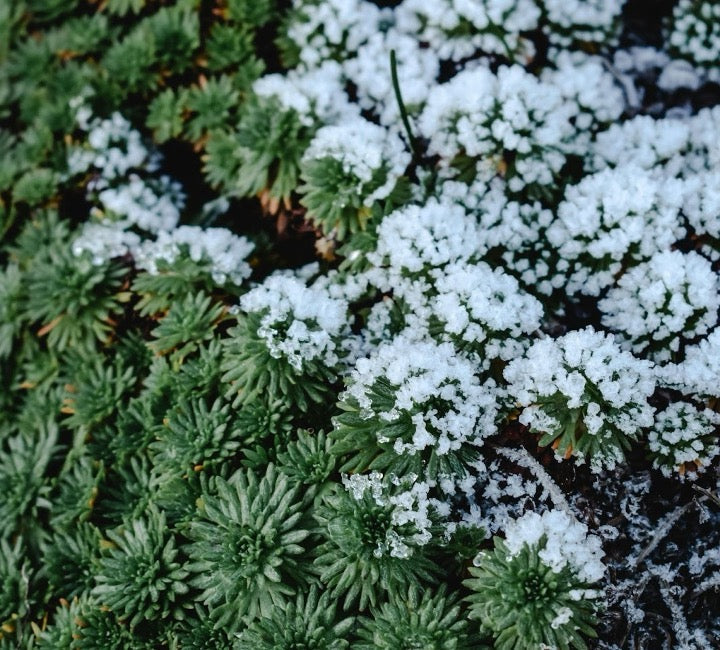
Winter planting takes advantage of cool temperatures that many vegetables, herbs, and ornamentals prefer, allowing you to harvest fresh produce and enjoy color even during the coldest months.
-
The three most reliable winter plants are kale (extremely cold-hardy and improves in flavor after frost), pansies (tolerate freezing temperatures while adding vibrant color), and garlic (requires winter cold to develop properly formed bulbs).
-
Successful winter gardening starts with proper soil preparation, including adding organic matter, ensuring good drainage, and incorporating amendments such as humic acid to improve nutrient availability in cold conditions.
-
GS Plant Foods' organic formulas, particularly kelp extract and fish hydrolysate, help winter plants establish strong root systems and maintain vigor despite cold stress and shorter daylight hours.
Why Winter Planting Makes Sense
Most gardeners put away their tools once fall arrives, assuming nothing grows until spring warmth returns. But winter offers unique advantages for specific plants that prefer cooler temperatures. Planting during winter means less competition from weeds, fewer pest problems, reduced watering needs, and often better flavor development in cold-season crops.
The secret is choosing plants naturally adapted to cold conditions. These varieties can handle frost, shorter days, and slower growth rates. When you match the correct plant to the winter season, you end up with healthier specimens that outperform their spring-planted counterparts.
The key is understanding which plants thrive in winter and how to support them with proper soil preparation and care.
|
GS Plant Foods: Organic Fertilizers That Actually Work 12+ Years Proven Results | Trusted by 1M+ Customers | Pet & Kid-Safe
Grow Naturally Without Compromise:From bestselling Liquid Fish to proprietary blends like Green Envy, GS Plant Foods delivers professional-grade nutrition using kelp, humic acid, and seaweed extracts. Whether you're nurturing orchids, reviving your lawn, or caring for houseplants, their organic formulas absorb faster and reduce runoff—giving you visible results without harsh chemicals. Why Gardeners Choose GS:
Your plants deserve nutrition that works as hard as you do. |

3 Best Plants for Winter Planting
1. Kale
Aside from surviving frost, this leafy green actually improves in flavor when temperatures drop below freezing. The cold triggers kale plants to convert starches into sugars, creating a sweeter, less bitter taste.
You can plant kale seeds directly in the garden 6–8 weeks before your first expected frost, or transplant nursery starts 4 weeks before frost. Kale tolerates temperatures down to 10°F once established, and light snow cover actually insulates plants rather than damaging them. For continuous harvest, pick outer leaves as they mature while allowing the center to keep producing new growth.

Kale becomes sweeter after frost as plants convert starches to sugars, making late fall and winter the best time to harvest this nutritious green.
Kale varieties particularly suited for winter include Winterbor and Lacinato (also called dinosaur kale). Red Russian kale adds purple-tinged color to winter gardens while remaining productive even through snow.
2. Pansies
These cool-season annuals tolerate temperatures down to 20°F and often continue to bloom through light snow. Their flowers pause during the coldest periods but quickly resume once temperatures moderate.

Pansies provide cheerful blooms throughout winter in most climates, tolerating light freezes and bouncing back quickly after cold snaps.
Plant pansies from nursery six-packs in fall, spacing them 6–8” apart in beds, containers, or window boxes. They prefer full sun during the winter months when light intensity is naturally lower. Pansies perform best when daytime temperatures stay below 65°F, making them ideal for winter rather than summer display.
Choose varieties bred explicitly for winter performance, such as Colossus or Matrix series. Deadhead spent flowers regularly to encourage continuous blooming and prevent plants from prematurely going to seed. In regions with harsh winters, plant pansies in containers you can move to protected locations during the worst weather.
3. Garlic

Garlic planted in fall develops strong root systems through winter, then rapidly forms bulbs as spring weather warms the soil.
Garlic requires winter cold to develop properly, making fall planting essential for quality bulbs. When you plant individual cloves in October or November, they establish roots through winter, then explode with growth once spring arrives. This cold period triggers bulb formation that simply won't occur without sufficient chilling hours.
Break apart garlic bulbs into individual cloves just before planting, keeping the papery skin intact on each clove. Plant cloves pointed end up, 2” deep and 6” apart in rows. Mulch heavily with straw or shredded leaves after planting to insulate the soil and suppress weeds. The cloves will send up green shoots before winter, which is completely normal and won't harm the developing bulbs below.
Hardneck garlic varieties like German Extra Hardy and Music produce the best flavor and store longest after harvest. They're also the most cold-tolerant options, surviving winters even in northern climates. Softneck varieties work better in mild-winter regions.
Preparing Soil for Winter Planting

Well-prepared winter soil with added organic matter provides the drainage and nutrient availability cold-season plants need to thrive.
Winter plants face unique soil challenges. Cold temperatures slow microbial activity, reducing the natural breakdown of organic matter and limiting nutrient availability. Compacted or poorly drained soil becomes waterlogged, leading to root rot and plant failure when excess moisture freezes and thaws repeatedly.
Start by working 2–4” of compost or aged manure into the top 6–8” of soil. This organic matter improves drainage in heavy clay soils while increasing water retention in sandy soils. The microbes in compost remain somewhat active even in cold conditions, continuing to release nutrients gradually throughout winter.
Test your soil pH before planting. Most winter vegetables prefer slightly acidic to neutral soil with a pH between 6.0 and 7.0. If needed, adjust pH in the fall, so amendments have time to take effect before planting. Add lime to raise pH or sulfur to lower it, following soil test recommendations for your specific situation.
Incorporate humic acid into winter beds to enhance nutrient uptake efficiency. Cold soil naturally limits a plant's ability to absorb nutrients, but humic acid improves root zone conditions and helps plants access available nutrients more effectively.
Essential Winter Care Tips
Water Wisely in Cold Weather
Winter plants need less water than summer crops, but they still require consistent moisture. Water deeply but infrequently, allowing soil to dry slightly between waterings. In freezing climates, water early in the day so moisture has time to soak in before temperatures drop overnight. Avoid watering frozen ground, as the water simply runs off without penetrating the soil.
Mulch to Protect Roots
Apply 2–3” of organic mulch around winter plants after the ground begins to freeze. This insulates roots from temperature swings and prevents frost heaving, which can push plants out of the ground during freeze-thaw cycles. Straw, shredded leaves, and pine needles all work well and break down gradually to improve soil structure.
Monitor for Cold Damage
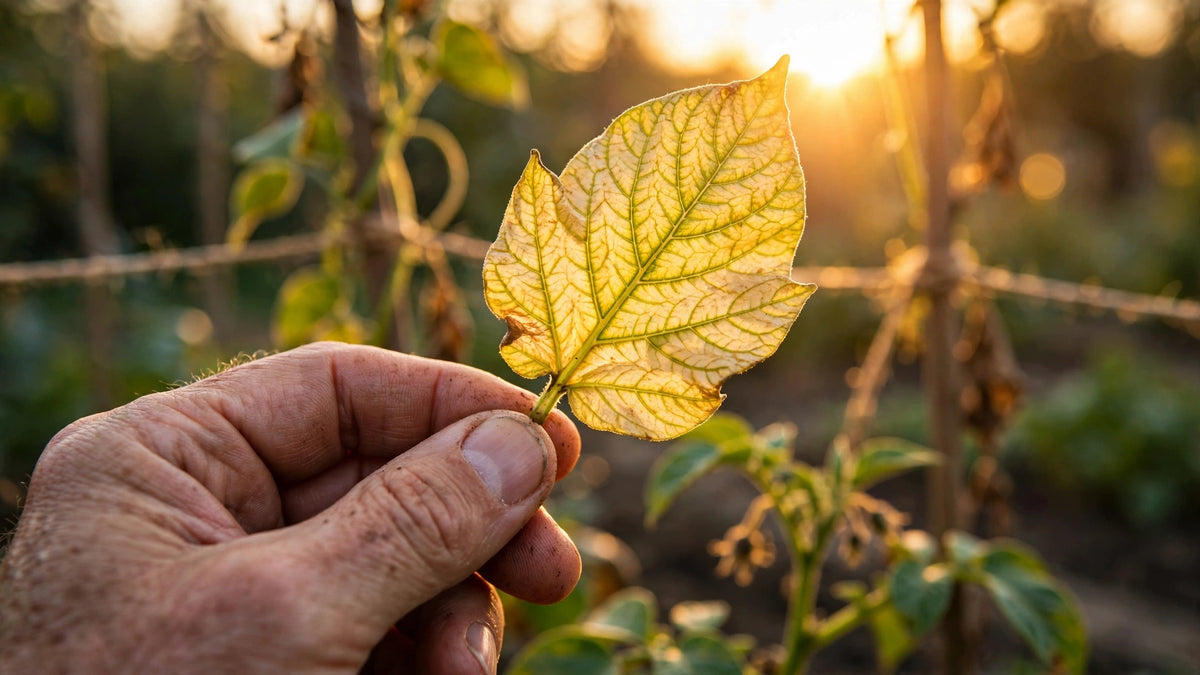
Check plants regularly for signs of stress, including wilting, yellowing leaves, or blackened tissue. Light frost damage often looks worse than it is. Wait a few days before pruning damaged growth, as seemingly dead tissue sometimes recovers.
Provide Adequate Light
Position containers near south-facing walls or in areas receiving maximum winter sunlight. Even cold-tolerant plants need light for photosynthesis. In particularly cold winter climates, move containers to unheated porches or cold frames, where they receive protection from harsh winds while still getting natural light.
How GS Plant Foods Supports Healthy Winter Growth

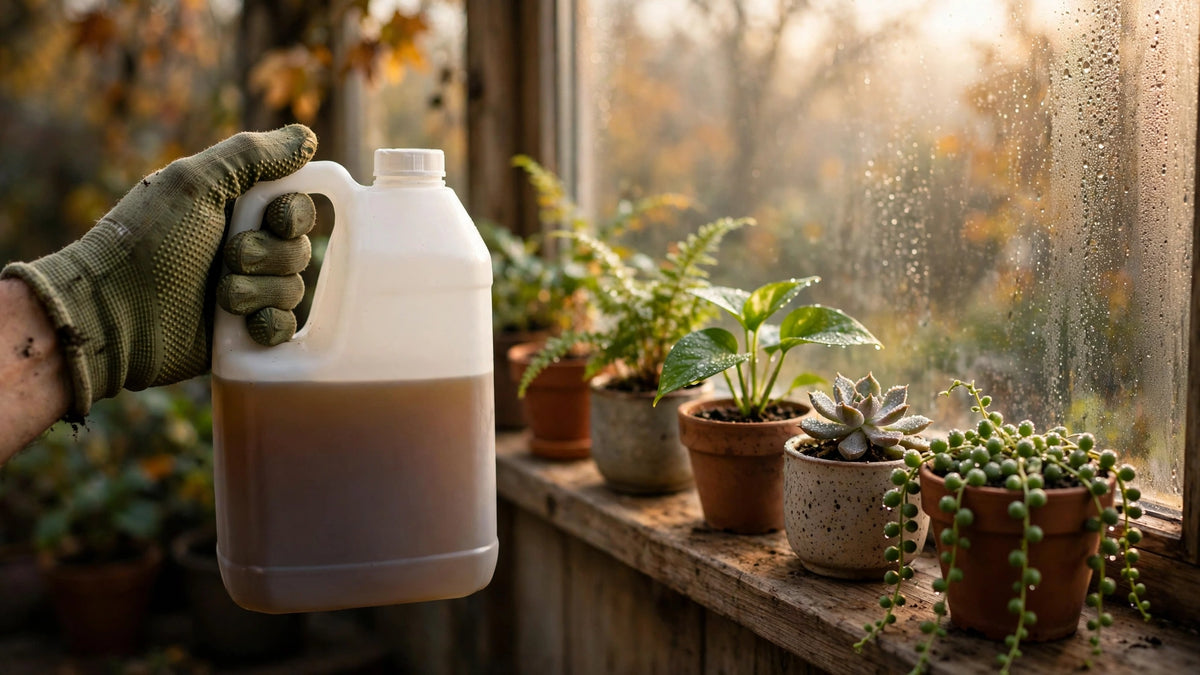
Organic kelp extract and fish hydrolysate provide essential nutrients and natural growth promoters that help winter plants maintain vigor despite cold stress.
Winter plants face environmental challenges that limit their natural growth potential. Cold soil temperatures reduce nutrient availability, shorter days mean less photosynthesis, and freeze-thaw cycles stress root systems. Supporting plants with the right organic fertilizers makes the difference between plants that merely survive winter and those that truly thrive.
GS Plant Foods' approach to winter plant nutrition centers on providing readily available nutrients in forms plants can absorb even under less-than-ideal conditions. Our Organic Liquid Fish fertilizer delivers nitrogen, phosphorus, and amino acids that support steady growth without forcing excessive tender foliage, which is vulnerable to frost damage. Amino acids serve as building blocks for protein synthesis, helping plants maintain cellular function during cold stress.
Organic Liquid Kelp Seaweed contains natural plant hormones called cytokinins and auxins that regulate growth even when temperatures limit normal metabolic activity. These hormones help plants maintain root development and stress tolerance throughout winter.
Our Fish & Kelp Blend combines both products in one OMRI-certified formula, delivering balanced nutrition specifically suited for winter conditions. The slow-release nature of organic fish fertilizer means nutrients become available gradually, matching the slower metabolism of cold-season plants.
Root Ruckus, our liquid compost blend, works exceptionally well as a pre-planting soil amendment for winter gardens. The combination of humic acid, kelp, and mycorrhizal fungi improves soil structure and nutrient availability, creating optimal root-zone conditions even as temperatures drop.
All our products are completely pet-safe and kid-friendly, giving you confidence to use them freely in areas where family and pets spend time.
Check out our collection today!
Frequently Asked Questions (FAQs)
What's the best time to plant winter vegetables?
Plant winter vegetables 6–8 weeks before your region's first expected frost date. This timing allows plants to establish before cold weather limits growth. In mild-winter climates, you can continue planting cool-season crops through late fall and even early winter.
Can I use the same fertilizer in winter that I use in summer?
Winter plants benefit from different fertilizer approaches than summer crops. Choose formulas with moderate nitrogen rather than high-nitrogen products that promote excessive leafy growth, which is vulnerable to frost. Organic options work particularly well because they release nutrients gradually, matching the slower metabolism of cold-season plants.
Do winter plants need protection from frost?
The three plants highlighted: kale, pansies, and garlic, tolerate frost naturally and typically don't require protection. However, in areas with extreme cold below 10°F, covering beds with frost cloth during the worst cold snaps helps protect foliage.
How often should I water winter plants?
Water winter plants only when the top inch or two of soil dries out. Winter's cooler temperatures and shorter days mean plants use far less water than during summer.
Overwatering causes more problems than underwatering during cold months. Water early in the day in freezing climates so excess moisture drains before nighttime temperatures drop.
Why should I add organic matter to winter garden beds?
Organic matter improves soil structure, drainage, and nutrient availability. Compost and aged manure provide slow-release nutrients that become available as soil microbes remain active even in cold conditions.
Organic matter also helps sandy soils retain moisture and improves drainage in heavy clay soils, preventing waterlogging that can lead to root rot during freeze-thaw cycles. GS Plant Foods' organic soil fertilizers, like humic acid and Root Ruckus, enhance these benefits by improving nutrient uptake and supporting beneficial soil biology.
*Disclaimer: This information is for educational purposes only. Always follow product label instructions and consult with qualified professionals for advice specific to your region, climate, and growing conditions. Individual results may vary based on environmental factors, soil conditions, plant species, and care practices. For specific product recommendations and application rates, visit GS Plant Foods.
Share:
Houseplant Winter Care: Watering, Light & Protection Tips
How to Save a Plant That Froze: Step-by-Step Guide