

Key Takeaways
-
Many frozen plants can recover because roots are often protected underground, even when leaves and stems look badly damaged.
-
The best first steps are to wait, assess damage carefully, and use the scratch test to check for living tissue before taking action.
-
Water plants after the soil thaws, but avoid overwatering, and delay pruning until all frost danger has passed and new growth appears.
-
Fertilize only once plants show signs of recovery, and take preventive steps like mulching and covering plants to reduce future frost damage.
-
GS Plant Foods' organic kelp and fish formulas provide natural growth hormones and amino acids that support cellular repair and stress recovery, helping frost-damaged plants rebuild strength without forcing vulnerable new growth.
Why Frozen Plants Can Often Be Saved
Walking outside after an unexpected freeze to find your plants wilted, blackened, or drooping can feel like a gut punch. But before you give up hope, know this: plants are remarkably resilient, and many can recover from frost damage with proper care and patience.
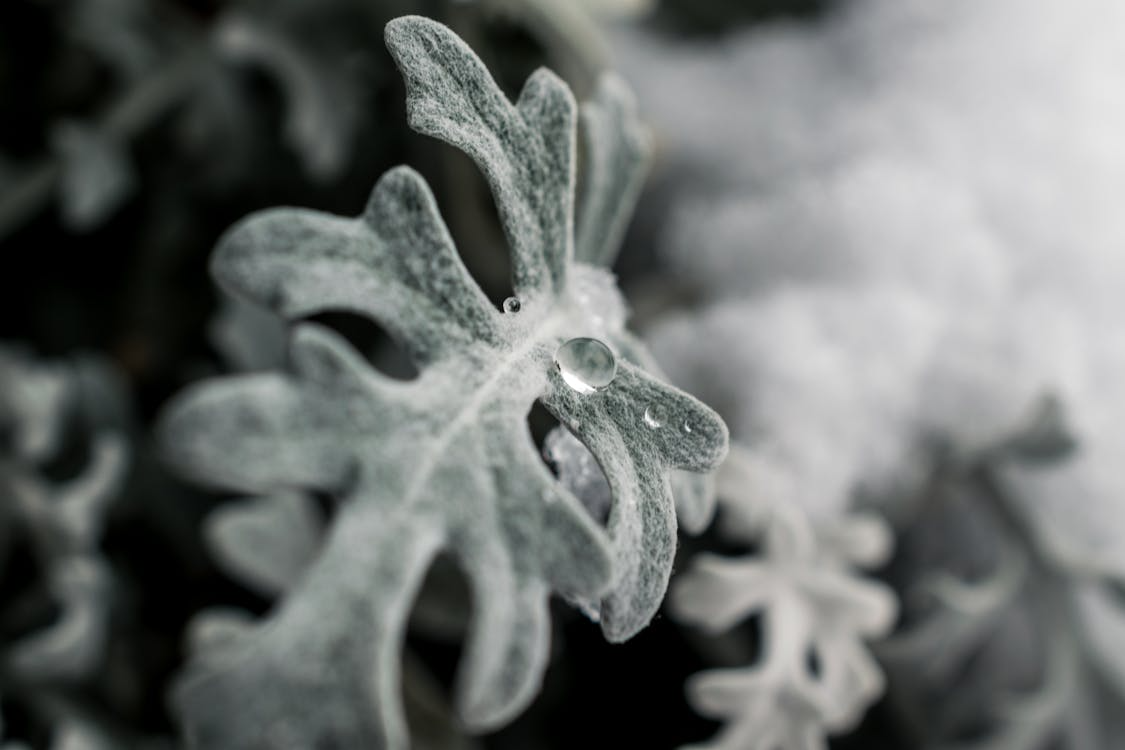
Understanding what happens during a freeze helps explain why recovery is possible. Frost damage occurs when ice crystals form on the surface of leaves and stems, usually causing only superficial harm. Freeze damage goes deeper: when temperatures drop low enough, the water inside plant cells actually freezes, expands, and ruptures cell walls. This causes the wilted, mushy, or blackened appearance that looks so alarming.
Here's the good news: even when the above-ground parts of a plant suffer severe damage, the root system often survives intact beneath the soil's insulating layer. If the roots are healthy, your plant has a fighting chance to push out new growth once warmer weather returns. The key is knowing what to do, and just as importantly, what not to do, in the days and weeks following a freeze.
|
GS Plant Foods: Organic Fertilizers That Actually Work 12+ Years Proven Results | Trusted by 1M+ Customers | Pet & Kid-Safe
Grow Naturally Without Compromise:From bestselling Liquid Fish to proprietary blends like Green Envy, GS Plant Foods delivers professional-grade nutrition using kelp, humic acid, and seaweed extracts. Whether you're nurturing orchids, reviving your lawn, or caring for houseplants, their organic formulas absorb faster and reduce runoff—giving you visible results without harsh chemicals. Why Gardeners Choose GS:
Your plants deserve nutrition that works as hard as you do. |

Step-by-Step Guide to Saving a Frozen Plant
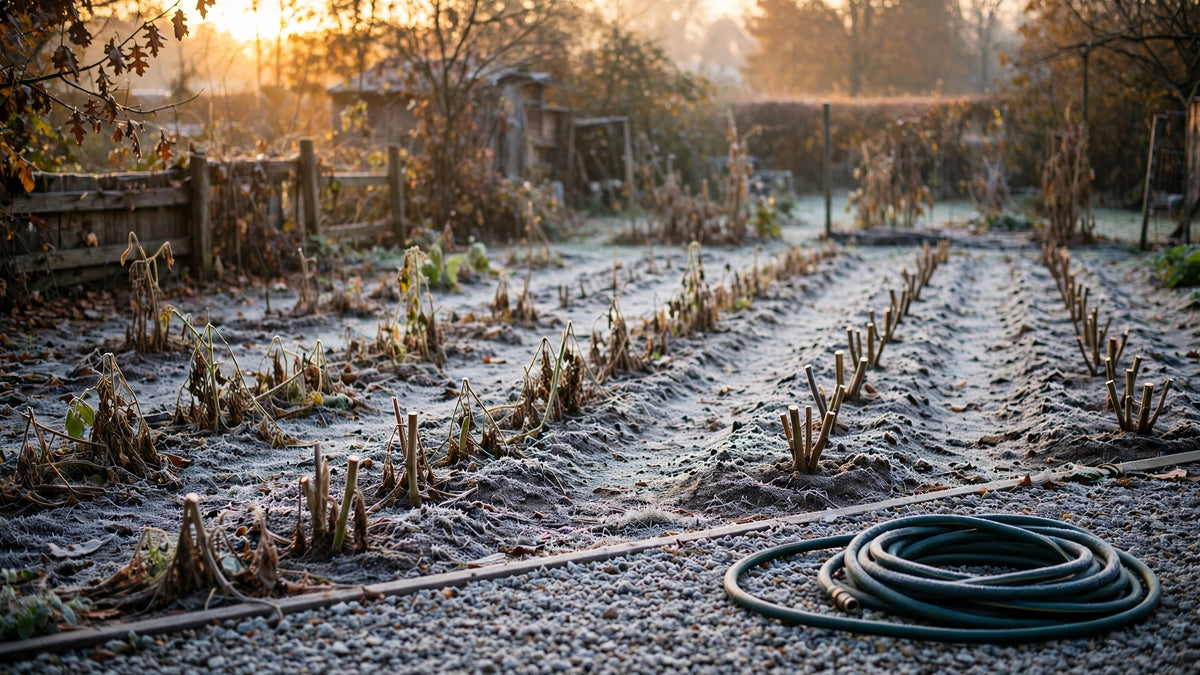
Freezing temperatures can shock and damage plants fast, but quick, careful action can help them recover and continue growing.
Step 1: Assess the Damage (Don't Panic)

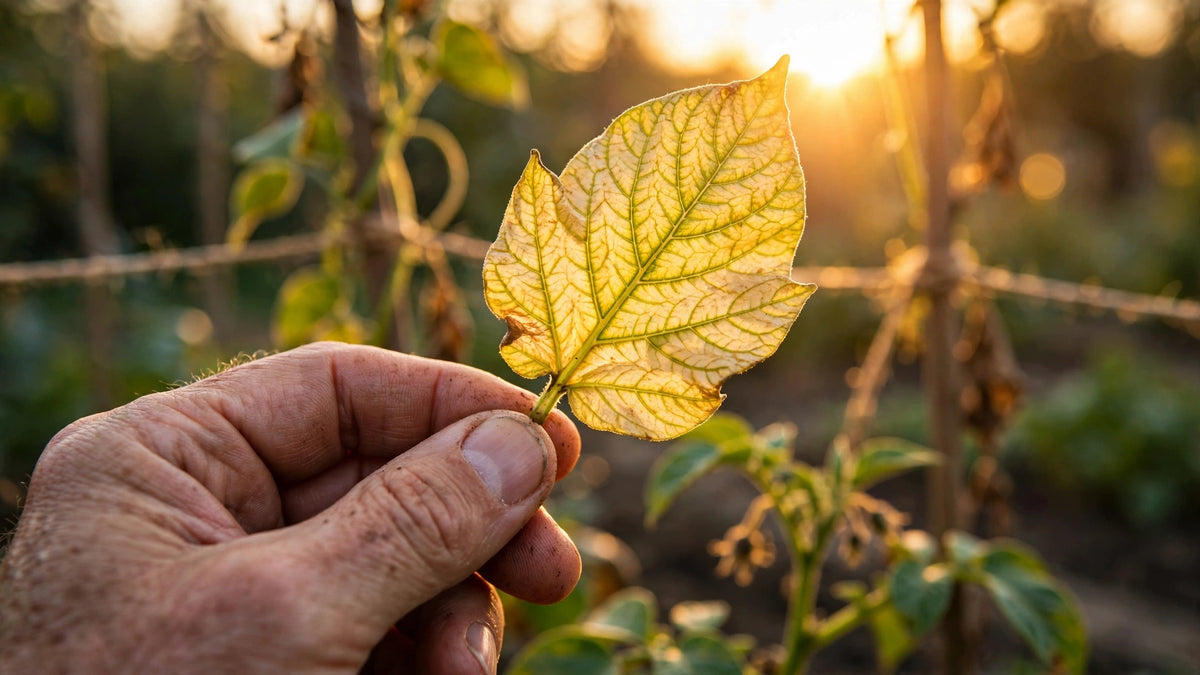
Frost-damaged leaves may appear wilted, discolored, or blackened, but this doesn't always mean the entire plant is lost.
Your first instinct might be to rush outside with pruning shears and start cutting away everything that looks dead. Resist that urge. The initial appearance of frost damage often looks far worse than the actual harm done to the plant.
Take a few days to observe your plants before taking action. Common signs of frost damage include wilting or drooping foliage, leaves that turn brown, black, or purplish, mushy or water-soaked stems, and leaf drop. These symptoms may not appear immediately—sometimes it takes several days for the full extent of damage to become visible.
Keep in mind that different plants have different levels of cold tolerance. A tropical houseplant left outside during a freeze will suffer far more than a cold-hardy shrub. Tender annuals and tropicals may not survive temperatures below 32°F, while established perennials and woody plants often bounce back from much colder conditions. Potted plants are also more vulnerable than those planted in the ground, since containers don't provide the same root insulation as soil.
Step 2: Perform the Scratch Test
Once a week or two has passed and you're ready to assess which parts of your plant are truly dead versus just damaged, the scratch test is your most reliable tool. This simple technique works on woody plants, shrubs, and trees to reveal whether living tissue remains beneath the bark.
Here's how to do it: using your fingernail, a small knife, or the edge of a coin, gently scrape away a small section of the outer bark on a stem or branch. You're looking for the cambium layer just beneath the surface. If you see bright green, moist tissue, that part of the plant is alive and capable of recovery. If the tissue appears brown, tan, or dry and feels brittle or corky, that section is dead.
Start by testing stems that appear most damaged, then work your way toward the base of the plant. Even if upper branches show no signs of life, don't give up; check the main trunk near the soil line. Finding green tissue anywhere indicates the roots are still alive, and the plant may flush new growth from the base when temperatures warm.
One important note: avoid performing the scratch test too early in the season or during ongoing cold snaps. Scratching the bark exposes inner tissue to cold, moisture, and potential disease. Wait until temperatures have stabilized and the worst of winter has passed.
Step 3: Water (But Don't Overwater)
It might seem counterintuitive to water plants after a freeze, but proper hydration is essential for recovery. Here's why: when soil freezes, the water in it becomes unavailable to plant roots. Even though the ground may look wet, your plants can actually be suffering from drought stress because they can't absorb frozen moisture.
Once the soil has thawed, give your plants a deep, thorough watering to rehydrate the root system. The best time to water after a freeze is in the afternoon, once temperatures have risen and the soil has had a chance to warm slightly. This allows moisture to soak in before nighttime temperatures drop again.
That said, be careful not to overwater. Stressed plants have reduced metabolic activity and can't process excess moisture as well as healthy plants can. Waterlogged soil around weakened roots can lead to rot and fungal problems. Water deeply but infrequently, allowing the top inch or two of soil to dry out between waterings.
Step 4: Wait to Prune
This is perhaps the most important—and most difficult—step: leave the damaged foliage alone for now. As unsightly as those brown, wilted leaves may be, they serve a critical protective function.

Dead foliage may look bad, but it insulates the plant and protects healthy tissue from additional frost damage.
Damaged leaves and stems act as a natural blanket, shielding the still-living parts of the plant from further cold exposure. If another freeze occurs, which is common in early spring, that dead material provides valuable insulation. Pruning too early also stimulates new growth, and tender young shoots are highly vulnerable to frost. A plant that puts energy into producing new leaves only to have them freeze again faces a double setback that can prove fatal.
Wait until the danger of frost has passed and new growth is emerging before you start pruning. This timing varies by region, but a good rule of thumb is to wait until consistent warm temperatures arrive in spring. Once new buds or leaves appear, you'll be able to clearly see which parts of the plant are recovering and which are truly dead.
When you do prune, use clean, sharp tools to make precise cuts. Remove dead stems back to healthy tissue; you'll recognize it by the green color revealed when you cut. For stems that are only partially damaged, cut just above a healthy bud or leaf node. If soft, mushy tissue remains on the plant, remove it promptly to prevent fungal growth and decay from spreading.
Step 5: Fertilize at the Right Time
After watching your plants struggle through frost damage, it's tempting to give them a boost with fertilizer right away. But timing matters enormously here, and fertilizing too soon can actually harm your recovering plants.
Fertilizer stimulates new growth; that's its job. But if you apply it while frost is still a threat, you'll encourage the plant to produce tender young foliage that's highly susceptible to cold damage. This forces the plant to expend precious energy reserves on growth that may not survive, further weakening it.
Wait until temperatures have stabilized and you see clear signs of new growth before fertilizing. In most regions, this means waiting until mid to late spring. When you do fertilize, choose a balanced, slow-release organic option rather than a high-nitrogen synthetic formula. Organic fertilizers release nutrients gradually, matching the plant's recovering metabolism and avoiding the flush of soft growth that quick-release products can trigger.
Preventing Future Frost Damage
Once your plants recover, take steps to protect them from future freezes. A little preparation goes a long way toward preventing the stress of frost damage altogether.
Cover vulnerable plants when frost is forecast. Use breathable materials like burlap, frost cloth, or even old bedsheets draped over plants and secured at the ground to trap warmth rising from the soil. Avoid using plastic directly on foliage, as it can transfer cold and cause more damage. Remove covers in the morning once temperatures rise to prevent overheating.
Apply a layer of organic mulch around the base of plants to insulate roots from temperature swings. Two to three inches of straw, shredded leaves, or wood chips help moderate soil temperature and prevent the freeze-thaw cycles that can heave plants out of the ground.
Move container plants to protected locations when cold weather threatens. An unheated garage, covered porch, or spot against a south-facing wall provides significant protection compared to open exposure. Containers lose heat much faster than ground soil, so potted plants need extra attention during freezes.
Finally, monitor weather forecasts throughout the cold season and be ready to act when freezing temperatures are predicted.
Helping Your Plant Recover with GS Plant Foods

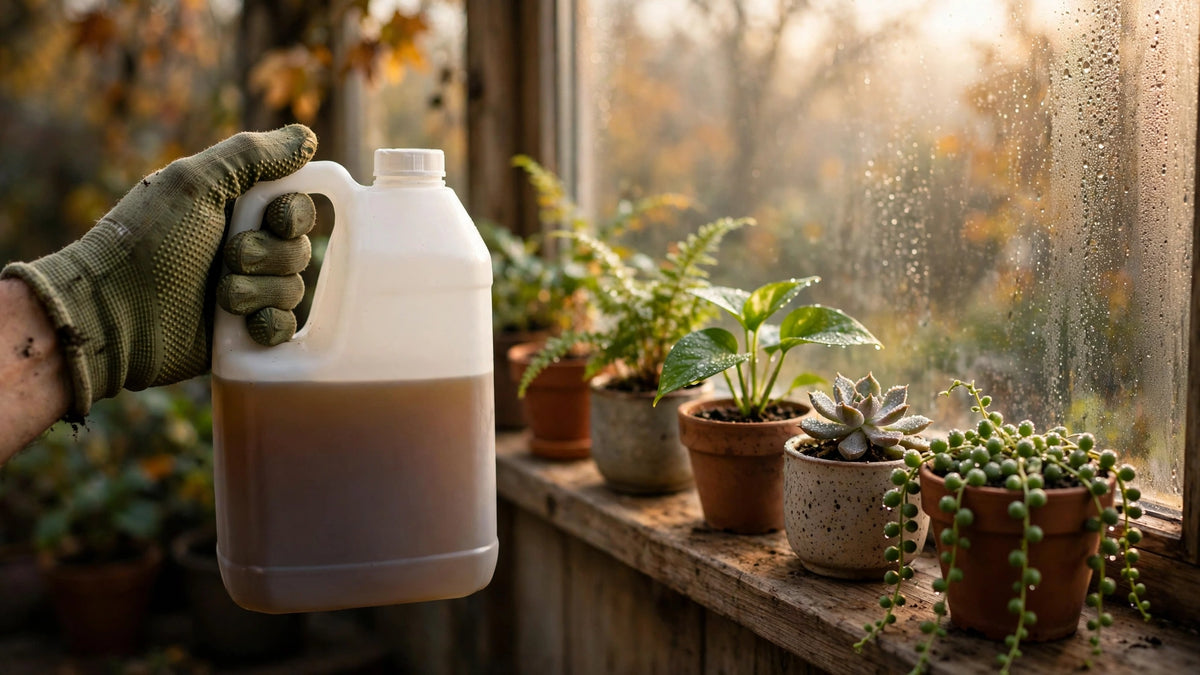
Organic kelp extract and fish hydrolysate provide natural growth hormones and amino acids that support plant recovery after cold stress.
Supporting your frost-damaged plants with the right organic nutrition can make a meaningful difference in their recovery. Cold stress depletes a plant's energy reserves and limits its ability to absorb nutrients from the soil, so gentle, bioavailable fertilizers help bridge the gap during this vulnerable period.
At GS Plant Foods, our Organic Liquid Kelp contains natural cytokinins and auxins—plant hormones that regulate growth and help plants recover from environmental stress. These compounds support root development and cellular repair even when conditions aren't ideal, giving frost-damaged plants the internal resources they need to bounce back. Kelp also delivers over 60 trace minerals that support overall plant health during recovery.
Our Organic Liquid Fish provides a gentle source of nitrogen, phosphorus, and amino acids. Amino acids serve as building blocks for protein synthesis, helping plants repair damaged tissue and maintain cellular function as they recover. The slow-release nature of fish hydrolysate delivers nutrients gradually, avoiding the surge of tender growth that synthetic fertilizers can cause.
For comprehensive recovery support, our Fish & Kelp Blend combines the two products into a single OMRI-certified formula. This balanced approach delivers stress-recovery hormones alongside essential nutrients in a form plants can readily absorb.
To improve root-zone conditions and enhance nutrient uptake during recovery, consider Root Ruckus, our liquid compost blend containing humic acid, kelp, and beneficial mycorrhizal fungi. Humic acid helps roots access available nutrients more efficiently, especially important when cold-stressed plants are working to rebuild their strength.
All GS Plant Foods products are completely pet-safe and kid-friendly, so you can use them confidently in any area of your yard or garden.
Check out our collection today!
Frequently Asked Questions (FAQs)
Can a plant recover from completely brown or black foliage?
Yes, it's possible. Even when leaves and stems appear completely dead, the root system may still be alive and capable of producing new growth. Perform the scratch test on the main stem near the soil line to check for green tissue. If the roots survived, the plant can often regenerate once warm weather returns, though recovery may take several weeks to a couple of months.
How long does it take for a frost-damaged plant to recover?
Recovery time varies depending on the plant species, the severity of the damage, and growing conditions. Most plants won't show significant recovery until after 1 to 2 months of consistently warm spring temperatures. Woody shrubs and trees may take an entire growing season to fully bounce back, while herbaceous perennials often recover more quickly once they break dormancy.
Should I bring potted plants inside after a freeze has already occurred?
Yes, but do so carefully. Avoid placing frost-damaged plants in a warm room immediately, as the sudden temperature change can shock them further. Instead, move them to a cool but protected location, such as an unheated garage or an enclosed porch. Keep them out of direct sunlight for 48 hours to allow gradual adjustment.
What's the difference between frost damage and freeze damage?
Frost damage occurs when ice crystals form on the surface of plant tissue, typically causing only superficial harm to leaves and tender stems. Freeze damage is more severe; it happens when temperatures drop low enough for water inside plant cells to freeze and expand, rupturing cell walls and causing lasting injury to stems, roots, and internal tissue.
Which GS Plant Foods products are best for helping frost-damaged plants recover?
GS Plant Foods’ Organic Liquid Kelp and Fish & Kelp Blend are ideal choices. The natural cytokinins in kelp support stress recovery and root development, while fish hydrolysate provides amino acids for cellular repair. Apply once temperatures stabilize and new growth appears. All GS Plant Foods products are pet-safe and kid-friendly.
*Disclaimer: This information is for educational purposes only. Always follow product label instructions and consult with qualified professionals for advice specific to your region, climate, and growing conditions. Individual results may vary based on environmental factors, soil conditions, plant species, and care practices. For specific product recommendations and application rates, visit GS Plant Foods.
Share:
3 Best Plants to Plant in Winter (Plus, Soil & Care Tips)
How to Tell If a Plant Is Cold: 5 Signs to Look For