
Key Takeaways
-
Wilting or drooping leaves, even when the soil is moist, often indicate cold stress, as low temperatures disrupt a plant's ability to absorb and transport water.
-
Leaf discoloration, including yellow, brown, red, or black patches, signals cellular damage from cold exposure and may appear several days after the temperature drop occurs.
-
Curling or folding leaves is a plant's protective response to cold, reducing surface area to conserve moisture and shield vulnerable tissue.
-
Mushy, water-soaked stems or leaves indicate severe freeze damage, in which ice crystals have ruptured cell walls, making the plant vulnerable to rot and infection.
-
GS Plant Foods' organic kelp and fish formulas provide natural growth hormones and amino acids that support cellular repair and stress recovery, helping cold-damaged plants regain their strength.
Why Cold Stress Happens to Plants
Plants cannot protect themselves when temperatures fall, and many common houseplants come from warm tropical regions that are not built for cold conditions. Once temperatures dip below what they tolerate, normal internal functions begin to slow and weaken.
Cold stress develops because low temperatures interfere with basic processes, such as water and nutrient uptake. Roots may sit in damp soil yet struggle to absorb moisture, leaving the plant dehydrated. Freezing conditions cause even greater harm, as water inside cells can freeze and expand, damaging cell walls and plant tissue.
This problem is not limited to outdoor gardens. Indoor plants often suffer cold shock near drafty windows, exterior doors, air vents, or cold glass at night. Spotting early warning signs makes it easier to step in before lasting damage sets in.
|
GS Plant Foods: Organic Fertilizers That Actually Work 12+ Years Proven Results | Trusted by 1M+ Customers | Pet & Kid-Safe
Grow Naturally Without Compromise:From bestselling Liquid Fish to proprietary blends like Green Envy, GS Plant Foods delivers professional-grade nutrition using kelp, humic acid, and seaweed extracts. Whether you're nurturing orchids, reviving your lawn, or caring for houseplants, their organic formulas absorb faster and reduce runoff—giving you visible results without harsh chemicals. Why Gardeners Choose GS:
Your plants deserve nutrition that works as hard as you do. |

5 Signs to Tell If a Plant Is Cold
Sign #1: Wilting or Drooping Leaves

Wilting leaves on a cold-stressed plant often look similar to underwatering, but the soil will still be moist; a key clue that temperature is the culprit.
One of the first and most noticeable signs of cold stress in a plant is wilting or drooping foliage. Leaves that typically stand perky and upright begin to sag, droop, or lose their firmness. They may feel softer to the touch than usual.
This happens because cold temperatures interfere with the plant's water uptake system. Even when moisture is available in the soil, the roots can't absorb it efficiently when they're too cold. The result is a plant that looks thirsty despite having access to water.
How can you tell if wilting is caused by cold rather than underwatering? Check the soil. If the top inch or two feels dry, your plant probably needs water. But if the soil is still moist and your plant is wilting, cold stress is likely the cause, especially if the plant sits near a window, door, or air vent. Also consider whether temperatures have recently dropped, either outdoors or in your home.
Sign #2: Leaf Discoloration
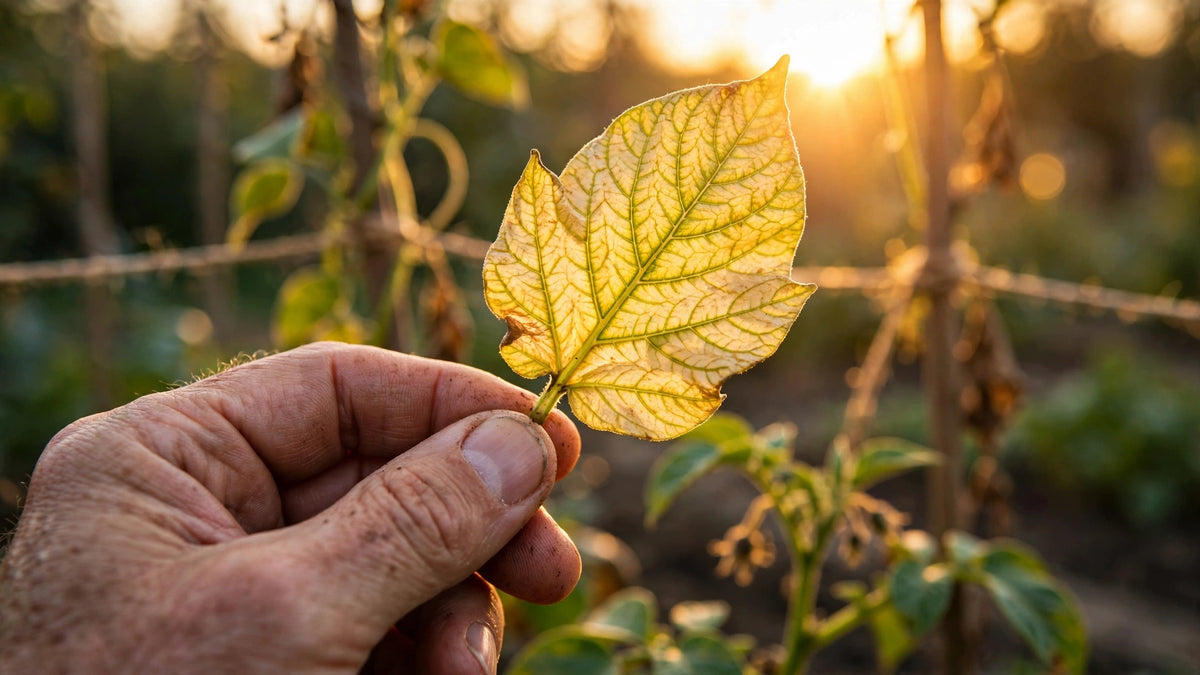
Cold-stressed plants often develop unusual leaf coloring. You might notice yellow or brown patches, reddish or purplish tints, or, in severe cases, blackened areas where tissue has died completely. This discoloration can appear as scattered spots, along leaf edges, or across entire leaves.
What makes cold-related discoloration tricky is that it doesn't always show up immediately. A plant might look fine the day after a cold snap, only to develop yellowing zones, brown spots, or blackened patches over the following days or even weeks. This delayed response happens because the cellular damage occurred during the cold event, but the visible symptoms take time to manifest as affected tissue dies.
Blackened, dark patches are particularly concerning because they indicate that frost or freezing conditions have actually killed plant cells. When you see this level of damage, the affected tissue won't recover, though the rest of the plant may still survive if you act quickly to improve conditions.
Sign #3: Curling or Folding Leaves
When a plant's leaves begin curling inward, folding, or rolling up on themselves, it's often a defensive response to environmental stress, and cold is a common trigger. By reducing the surface area of their leaves, plants minimize water loss and protect their most vulnerable tissue from further exposure.
Curling leaves can result from several different issues, including underwatering, pest infestations, and excessive light. To determine whether cold is the culprit, consider the context. Has the temperature in your home dropped recently? Is the plant positioned near a drafty window, exterior door, or air conditioning vent? Did the curling appear suddenly after a cold night?
If you've been watering consistently and don't see signs of pests such as webbing, sticky residue, or tiny insects on the undersides of leaves, cold stress is a more likely explanation. Plants with thinner, more delicate leaves tend to show curling symptoms more readily than those with thick, waxy foliage.

Leaf curling is a plant's way of protecting itself from cold by reducing exposed surface area, similar to how we might curl up under a blanket.
Sign #4: Mushy or Water-Soaked Stems & Leaves
This is one of the more alarming signs of cold damage, indicating that the plant has experienced actual freezing rather than just chilly temperatures. When you touch the stems or leaves, and they feel soft, mushy, or water-soaked, almost translucent in appearance, it means ice crystals formed inside the plant tissue and ruptured the cell walls.
Once cells rupture, that tissue cannot repair itself. The mushy areas will eventually turn brown or black and may begin to rot. This creates an additional risk: damaged tissue becomes an entry point for bacterial and fungal infections that can spread to healthy parts of the plant if left untreated.
If you notice mushy sections on your plant, remove them promptly to prevent rot from spreading. However, don't rush to prune everything that looks damaged; wait until you can clearly distinguish dead tissue from areas that might recover. A loose or wobbly root ball is another serious indicator that freeze damage has reached the roots, which significantly reduces the plant's chances of survival.
Sign #5: Stunted Growth or Sudden Leaf Drop
Cold temperatures naturally slow plant metabolism, so some reduction in growth during cooler months is normal. But if your plant has completely stopped producing new leaves, or if it suddenly drops foliage without any other apparent cause, cold stress may be to blame.
Leaf drop is actually a survival mechanism. When a plant senses that conditions are unfavorable, it may shed leaves to reduce the surface area through which it loses water. While this helps the plant conserve resources, sudden or excessive leaf drop following a cold event is a clear signal that your plant needs warmer conditions.
Stunted growth can also be a delayed symptom of prior cold exposure. A plant that seemed fine after a temperature drop might fail to grow at its normal rate for weeks or even months afterward as it recovers from the stress. If your plant isn't producing new growth and you've ruled out other factors such as insufficient light or a nutrient deficiency, consider whether it experienced cold stress earlier in the season.
What to Do If Your Plant Is Cold-Stressed
Once you notice signs of cold stress, act quickly to support recovery. Start by moving the plant to a warmer area with steady temperatures between 65°F and 75°F. Keep it away from drafts and direct heat sources, since sudden temperature changes can worsen the problem.
Water with care. Cold-stressed roots struggle to absorb moisture, so check the soil first and only water when the top layer feels dry. Too much water at this stage increases the risk of root rot.
Pause fertilizing for now. Fertilizer pushes new growth that is fragile and easily damaged by lingering cold. Resume feeding only after the plant shows clear improvement and temperatures remain stable.
Leave damaged leaves in place at first. Although they look unhealthy, they can help protect living tissue underneath. Prune once new growth appears and recovery is clear.
How GS Plant Foods Supports Cold-Stressed Plants

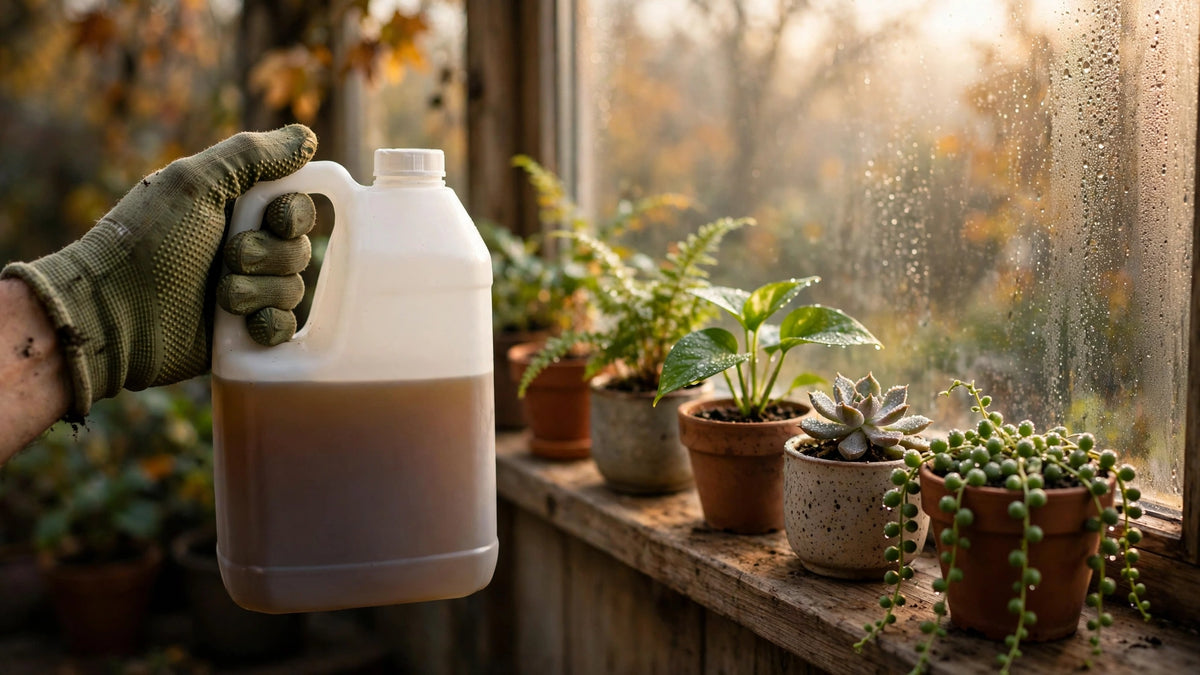
A little organic TLC from kelp and fish-based fertilizers gives cold-stressed plants the gentle support they need to recover.
So your plant took a hit from the cold, now what? Once you've moved it to a warmer spot and given it time to stabilize, a little nutritional support can go a long way toward helping it bounce back.
Think of it like recovering from being sick. When you're run down, you don't want a heavy meal; you want something gentle and nourishing that your body can actually use. The same goes for cold-stressed plants. Their roots aren't working at full capacity, so they need nutrients in forms they can absorb without being overwhelmed.
That's where GS Plant Food Organic Liquid Kelp really shines. Seaweed is packed with natural plant hormones: cytokinins and auxins, that tell your plant's cells to keep growing and repairing even when conditions have been rough. It's like a pep talk in a bottle, encouraging roots to develop and damaged tissue to heal. Plus, kelp brings along over 60 trace minerals that support overall health while your plant gets back on its feet.
If your plant looks particularly worn out, pairing kelp with Organic Liquid Fish adds amino acids to the mix. These are the building blocks your plant uses to repair cells and build new tissue. Fish hydrolysate releases its nutrients slowly and steadily, which is exactly what a recovering plant needs, no sudden growth spurts that could leave it vulnerable again.
Want the best of both? Our Fish & Kelp Blend puts everything in one bottle, making recovery feeding simple. And if you really want to give your plant's roots a helping hand, Root Ruckus adds humic acid and beneficial fungi to improve nutrient uptake right where it matters most.
One less thing to worry about: all of our formulas are pet-safe and kid-friendly, so you can nurse your plants back to health without any concerns about curious paws or little hands.
Check out our collection today!
Frequently Asked Questions (FAQs)
At what temperature do most houseplants experience cold stress?
Most common houseplants are tropical or subtropical species that prefer temperatures between 65°F and 75°F. Many begin to show signs of stress when temperatures drop below 50°F to 55°F, and some sensitive varieties can suffer damage even at 60°F. Temperatures below freezing (32°F) cause severe damage to nearly all houseplants.
Can a plant recover from cold shock?
Yes, many plants can recover from cold shock if the damage isn't too severe. The key factors are the extent of the cold, the duration of exposure, and whether the root system survived. If you find green tissue when you perform a scratch test on the stem, and the roots feel firm rather than mushy, your plant has a good chance of recovery with proper care.
How long does it take for cold damage symptoms to appear?
Some symptoms, like wilting, appear almost immediately, while others—particularly discoloration and leaf drop—may take several days or even a week or two to become visible. This delayed response occurs because cellular damage happens during the cold event, but the visible effects develop as damaged tissue dies over time.
Should I prune cold-damaged leaves right away?
No, it's best to wait before pruning. Damaged foliage helps insulate and protect the remaining healthy tissue from further cold exposure. Wait until temperatures have stabilized and new growth is emerging before pruning. The exception is mushy, rotting tissue, which should be removed promptly to prevent the spread of decay.
Which GS Plant Foods products help cold-stressed plants recover?
Our Organic Liquid Kelp and Fish & Kelp Blend are excellent choices for supporting recovery. The natural cytokinins in kelp promote stress recovery and root development, while fish hydrolysate provides amino acids for cellular repair. Root Ruckus also helps by improving nutrient uptake in the root zone. Wait until temperatures stabilize and new growth appears before applying.
*Disclaimer: This information is for educational purposes only. Always follow product label instructions and consult with qualified professionals for advice specific to your region, climate, and growing conditions. Individual results may vary based on environmental factors, soil conditions, plant species, and care practices. For specific product recommendations and application rates, visit GS Plant Foods.
Share:
How to Save a Plant That Froze: Step-by-Step Guide
3 Best Vegetables to Plant in March: Guide for Beginners