Key Takeaways
-
March is ideal for beginners because cool-season vegetables grow faster, taste better, and tolerate minor mistakes in early spring conditions.
-
Peas, lettuce, and spinach are the best vegetables to plant in March since they germinate in cool soil, handle light frost, and produce reliable harvests.
-
These crops mature quickly, with lettuce and spinach ready in weeks and peas producing steady yields through spring.
-
Success comes down to simple basics: loose, compost-rich soil, consistent watering, light frost protection, and regular harvesting to keep plants productive.
-
GS Plant Foods' Organic Liquid Fish delivers the nitrogen boost that leafy greens like lettuce and spinach crave, while Organic Liquid Kelp helps young seedlings establish strong roots in cool spring soil, giving your March garden the best possible start.
Why March Is the Perfect Time to Start Your Vegetable Garden
If you've been thinking about growing your own food, March is the moment to start. The days are getting longer, the soil is warming up, and some of the tastiest vegetables actually prefer the cool, mild weather that early spring provides.
Cool-season crops like peas, lettuce, and spinach thrive when temperatures stay between 55°F and 65°F. They germinate readily in cool soil, grow quickly in gentle spring sunshine, and develop sweeter, more tender leaves than they would in summer heat. In fact, hot weather causes these vegetables to bolt and turn bitter, so getting them in the ground now gives you the longest possible harvest window.
Best of all, the vegetables that grow well in March are some of the most forgiving crops you can plant. They don't demand perfect conditions, they bounce back from minor mistakes, and they reward you with harvests quickly enough to keep you motivated.
|
GS Plant Foods: Organic Fertilizers That Actually Work 12+ Years Proven Results | Trusted by 1M+ Customers | Pet & Kid-Safe
Grow Naturally Without Compromise:From bestselling Liquid Fish to proprietary blends like Green Envy, GS Plant Foods delivers professional-grade nutrition using kelp, humic acid, and seaweed extracts. Whether you're nurturing orchids, reviving your lawn, or caring for houseplants, their organic formulas absorb faster and reduce runoff—giving you visible results without harsh chemicals. Why Gardeners Choose GS:
Your plants deserve nutrition that works as hard as you do. |

3 Best Vegetables to Plant in March
1. Peas

Peas are among the first vegetables you can plant in spring, thriving in cool temperatures that would stunt warm-season crops.
There's a reason experienced gardeners get excited when pea-planting season arrives. These sweet, crunchy pods are one of spring's greatest pleasures, and they're remarkably easy to grow.
Peas are cold-hardy champions. You can sow them 4 to 6 weeks before your last spring frost when the soil is still cool. They'll germinate in soil temperatures as low as 40°F, though they establish faster when the soil reaches 60°F. Young plants can survive light frost and will grow at any temperature above 40°F.
You have three main types to choose from: snap peas with thick, edible pods; snow peas with flat, tender pods perfect for stir-fries; and garden peas grown for shelling. For beginners, snap peas are often most rewarding because you get a satisfying, crunchy harvest you can eat right off the vine.
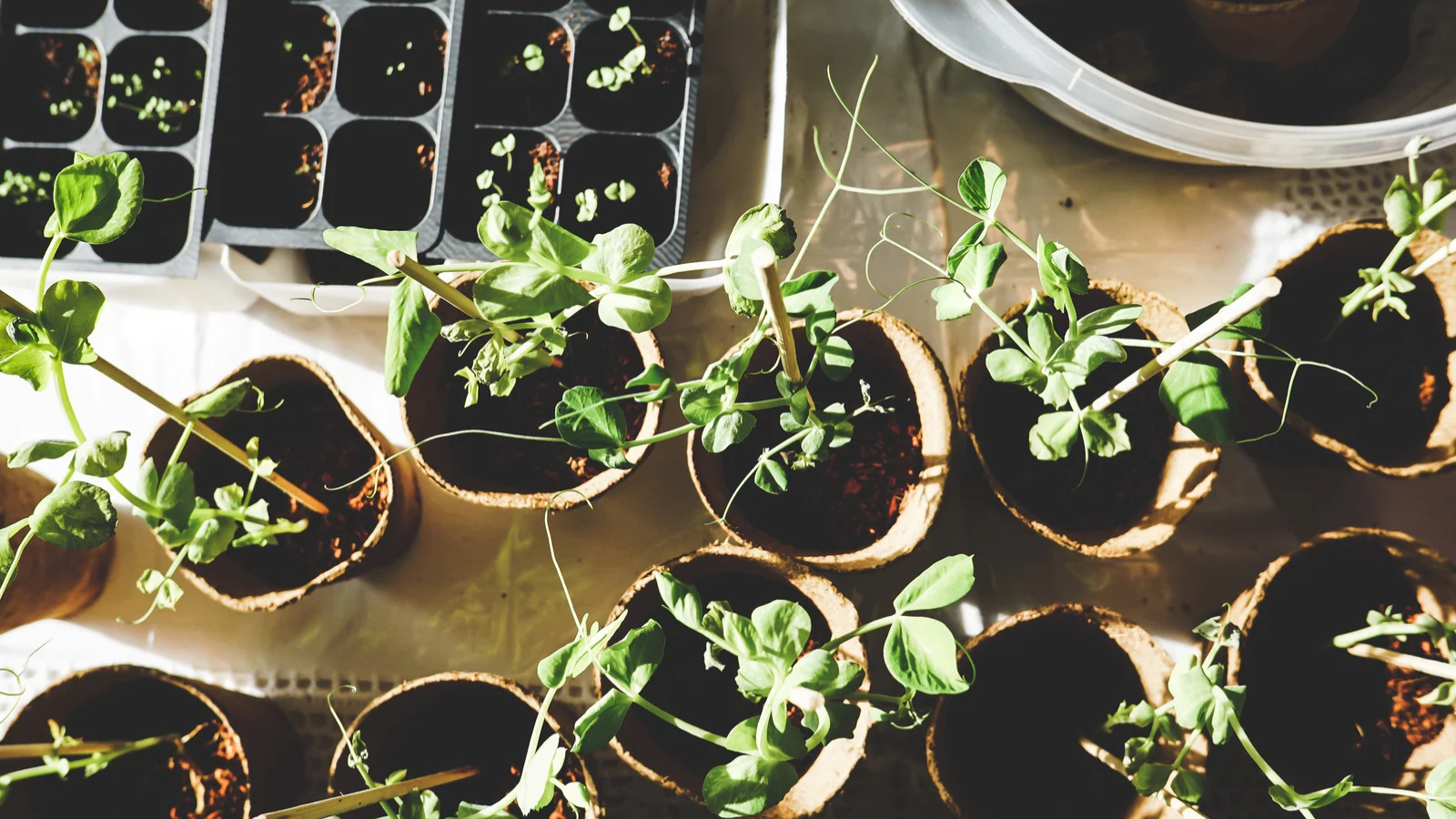
To plant, push seeds about 1 inch deep and 2 inches apart. Peas are climbers, so provide a simple trellis, stakes with twine, or even a section of wire fencing. The vines will grab on with their curly tendrils and climb upward.
Expect your first harvest in about 50 to 70 days. Pick pods regularly once they're plump and firm to encourage continued production.
Here's a bonus: peas are nitrogen fixers. Special bacteria on their roots pull nitrogen from the air and convert it into a form that enriches your soil. When your pea plants finish producing, cut them off at the soil level and leave the roots in place; the nitrogen they've stored will feed whatever you plant next.
2. Lettuce

Lettuce comes in an incredible variety of colors, textures, and flavors, growing your own lets you enjoy combinations you'll never find at the grocery store.
If you want quick results to build your confidence, lettuce is your best friend. This fast-growing green can give you harvestable baby leaves in as little as 25 days, with mature heads ready in 40 to 60 days.
March is prime time for lettuce because it thrives in cool conditions. The crop prefers temperatures of 55 to 65°F for optimum growth. Hot weather causes lettuce to bolt and become bitter, but mild spring temperatures produce tender, sweet leaves.
Lettuce seeds can germinate in soil temperatures as low as 35°F, though they emerge fastest between 55°F and 65°F. For beginners, try butterhead varieties like Buttercrunch for soft, tender heads; romaine types like Parris Island for crisp leaves; or loose-leaf varieties like Black Seeded Simpson for quick harvests.
Planting couldn't be simpler. Scatter seeds lightly over prepared soil and cover with just a thin layer, about ⅛ inch. Lettuce seeds need some light to germinate, so don't bury them too deep. Once seedlings emerge, thin them gradually until plants are 8 to 12 inches apart.
The beauty of lettuce is its cut-and-come-again nature. Instead of harvesting the whole plant, snip off the outer leaves when they're large enough to eat. The center will keep producing new leaves for weeks. Sow a new batch of seeds every 2 to 3 weeks for a continuous supply.
Lettuce also grows beautifully in containers, making it perfect for patios, balconies, or windowsills. A container just 6 inches deep can produce plenty of fresh salad greens.
3. Spinach

Spinach leaves harvested fresh from the garden are far more flavorful and nutritious than anything you'll find in a plastic container at the store.
Spinach might be the ultimate beginner vegetable. It's cold-tolerant, fast-growing, nutritious, and has a secret superpower: frost actually makes it taste better.
You can direct sow spinach seeds as soon as soil temperatures reach 40°F. Seeds germinate best between 55°F and 65°F and typically emerge in 7 to 10 days. Once established, young spinach plants can withstand temperatures as low as 15°F to 20°F, making this crop incredibly forgiving.
For reliable March planting, look for cold-hardy varieties like Bloomsdale Long Standing or Tyee. Plant seeds ½ inch deep and 2 inches apart in rows 12 to 18 inches apart. When seedlings reach about 2 inches tall, thin them to 3 to 4 inches apart.
Spinach requires about 6 weeks of cool weather from seeding to harvest. You can begin picking baby leaves in about 4 weeks, or wait 6 to 8 weeks for larger, mature leaves. Like lettuce, spinach responds well to cut-and-come-again harvesting—snip the outer leaves first, and the center will continue producing.
One thing to know: spinach is a heavy feeder that loves nitrogen-rich soil. Adding compost before planting and feeding with an organic fertilizer throughout the growing season keeps those leaves dark green and delicious.
Preparing Your Soil for March Planting
Good soil is the foundation of a successful vegetable garden. All three of these March vegetables appreciate loose, well-draining soil enriched with organic matter.
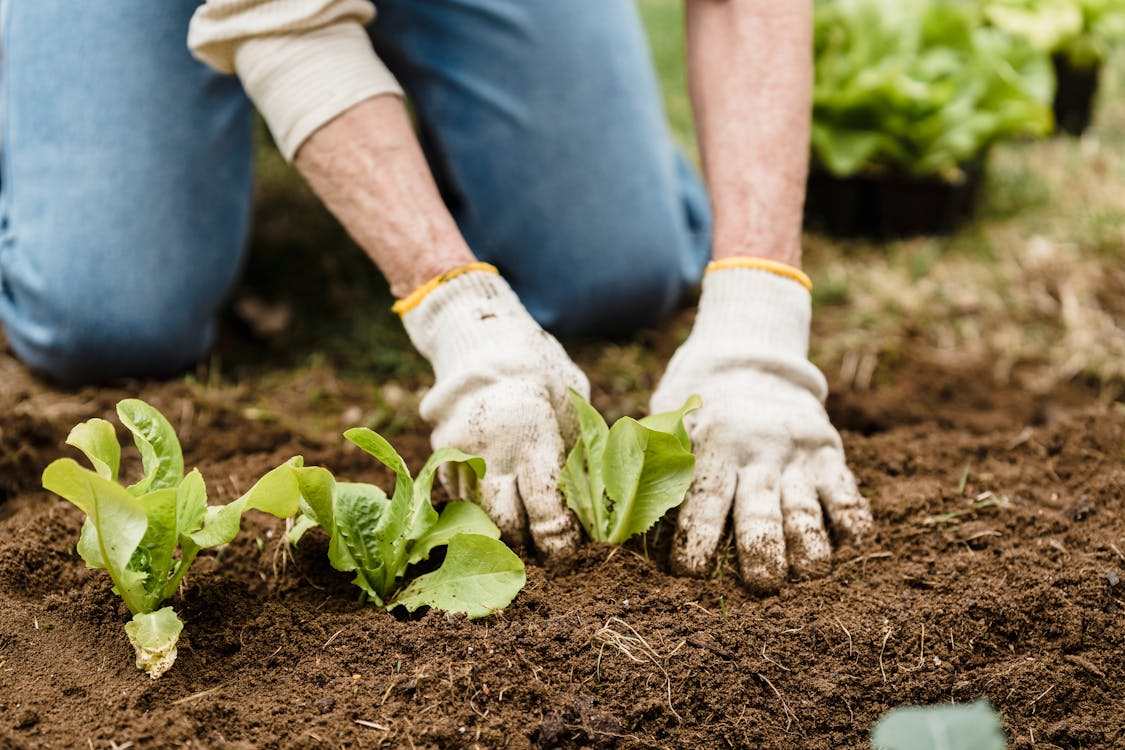
Start by loosening the top 6 to 8 inches of soil with a garden fork or spade. Work in 2 to 4 inches of compost or aged manure to improve both drainage and nutrient content. Leafy greens are especially hungry for nitrogen, so consider adding an organic nitrogen source, such as fish fertilizer, to give your vegetables an extra boost.
For containers or raised beds, use quality potting mix enriched with compost and ensure adequate drainage holes.
Easy Care Tips for Beginner Gardeners
Once your seeds are planted, a few simple practices keep your spring vegetables happy and productive.
Water consistently to maintain even soil moisture, not soggy, but never completely dry. Leafy greens have shallow roots and depend on regular watering. A layer of light-colored mulch around your plants helps retain moisture and keeps roots cool as temperatures warm.
If a late frost threatens, cover seedlings with row cover fabric, old bedsheets, or overturned containers overnight. All three of these vegetables tolerate light frost, but protecting young seedlings from hard freezes gives them the best chance.
Harvest regularly to encourage continued production. Plants allowed to fully mature will slow down or stop producing new growth.
How GS Plant Foods Helps Your Spring Garden Thrive

Feeding your spring vegetables with organic fish and kelp fertilizers provides the nitrogen and trace minerals they need for tender, flavorful growth.
Once your seedlings are up and growing, a little organic nutrition goes a long way toward turning those tiny sprouts into a bountiful harvest.
Leafy greens are hungry plants, putting all their energy into producing those delicious leaves you're going to eat. At GS Plant Foods, our Organic Liquid Fish delivers a gentle, steady supply of nitrogen, along with phosphorus and amino acids, to support healthy cell development. Unlike synthetic fertilizers that can burn tender roots, fish hydrolysate feeds your plants at a pace they can actually use.
Pairing fish with Organic Liquid Kelp takes your spring garden to the next level. Kelp contains natural cytokinins and auxins—plant hormones that encourage strong root development and help seedlings establish quickly. Those 60+ trace minerals in seaweed support overall plant health and help your greens handle early spring temperature swings.
Want simplicity? Our Fish & Kelp Blend combines everything in a single OMRI-certified formula, providing your vegetables with balanced nutrition from the seedling stage through harvest. And Root Ruckus brings humic acid and beneficial mycorrhizal fungi to improve nutrient uptake in cool spring soil.
All GS Plant Foods products are pet-safe and kid-friendly, so you can feel good about using them in your family garden.
Check out our collection today!
Frequently Asked Questions (FAQs)
Can I plant vegetables in March if it's still cold outside?
Absolutely! Peas, lettuce, and spinach are cool-season crops that actually prefer cold weather. They can be planted as soon as the soil is workable, even if nighttime temperatures still dip below freezing. In fact, these vegetables often taste better when grown in cool conditions because they develop more sugars and stay tender longer.
How do I know when to harvest my lettuce and spinach?
You can begin harvesting baby leaves as soon as they're large enough to eat—usually when leaves are about three to four inches long. For a continuous harvest, pick the outer leaves first while allowing the center of the plant to keep growing. Harvest in the morning when leaves are most crisp and hydrated.
Do I need a big garden to grow vegetables in March?
Not at all. Lettuce and spinach grow beautifully in containers as small as six to eight inches deep. Peas need a bit more space for their roots and a trellis to climb, but even a large pot with a small support structure can produce a nice harvest. A sunny balcony, patio, or even a bright windowsill can become a productive mini garden.
Which GS Plant Foods products are best for leafy greens?
Organic Liquid Fish is excellent for leafy greens because of its nitrogen content, which promotes lush leaf growth. Fish & Kelp Blend offers balanced nutrition with the added benefits of kelp's natural growth hormones and trace minerals. Apply every two to three weeks during the growing season for best results.
*Disclaimer: This information is for educational purposes only. Always follow product label instructions and consult with qualified professionals for advice specific to your region, climate, and growing conditions. Individual results may vary based on environmental factors, soil conditions, plant species, and care practices. For specific product recommendations and application rates, visit GS Plant Foods.
Share:
How to Tell If a Plant Is Cold: 5 Signs to Look For
How to Prepare Flower Beds for Winter: Soil, Mulch & Protection Tips