

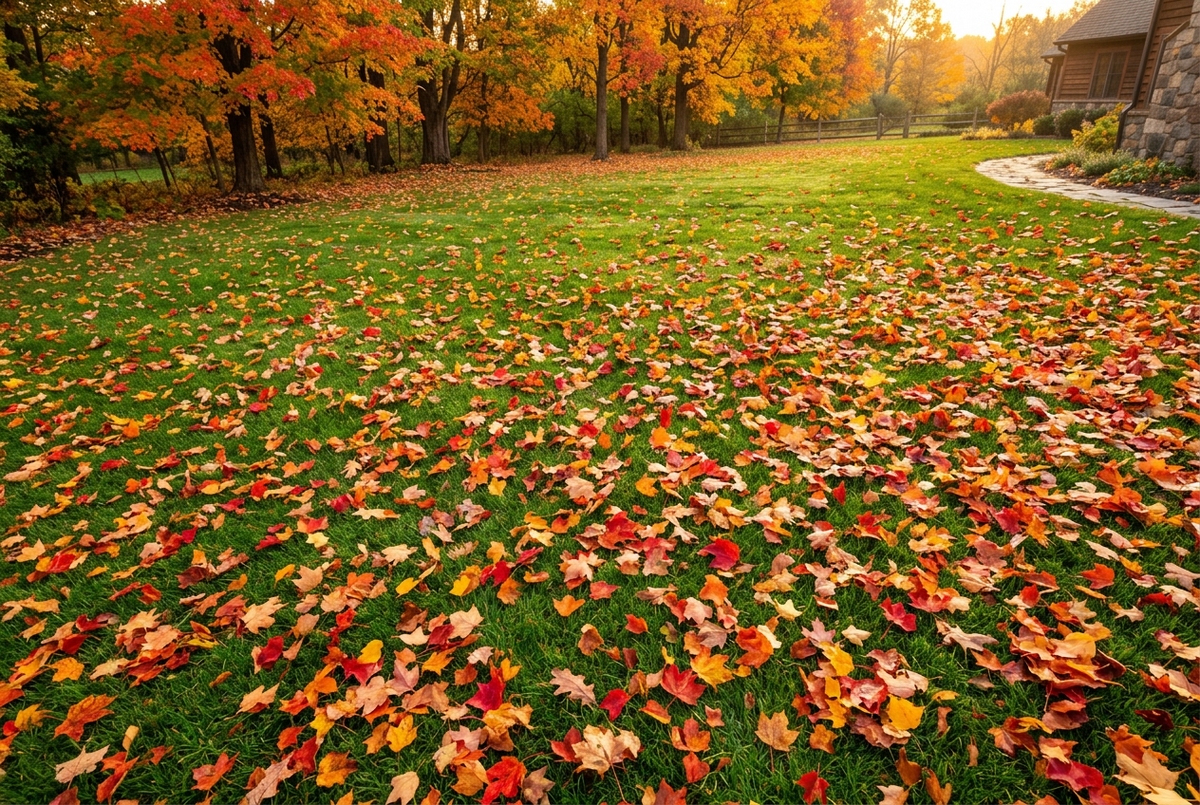
Wintering means actively preparing your lawn, garden, and soil for cold-weather dormancy so roots, turf, and beneficial organisms come back stronger in spring. The term also carries a broader meaning from Katherine May's book "Wintering: The Power of Rest and Retreat in Difficult Times," which frames rest as a necessary, cyclical season. For gardeners, wintering is not abandonment. It is deliberate fall preparation that protects plants through freeze-thaw cycles and sets up healthier growth when warmth returns.
Table of Contents
-
Why does wintering matter for the health of your lawn and garden?
-
What does Katherine May's "Wintering" teach gardeners about rest?
-
What mistakes should you avoid when wintering your lawn and garden?
-
When should you start wintering your lawn and garden in 2026?
What does "wintering" actually mean?
Wintering is the process of helping plants, lawns, and soil transition into and survive the cold season. In horticulture, it covers the tasks that prepare a landscape for dormancy, from final mowing and mulching to soil conditioning and root feeding.
The term also has a second life as a metaphor for rest and retreat, drawn from Katherine May's book "Wintering: The Power of Rest and Retreat in Difficult Times." May writes that "we tend to imagine that our lives are linear, but they are in fact cyclical," according to Focused Solutions. That same cycle plays out in a garden every year. Growth slows, energy moves downward, and the visible plant rests while the roots and soil keep working.
For gardeners, wintering is an active practice, not a passive wait. May writes "We may never choose to winter, but we can choose how," as noted by Sandra's Shelf. The same applies to a yard. You can choose how well your soil, turf, and perennials enter the cold months.
Why does wintering matter for the health of your lawn and garden?
Wintering matters because fall and winter are when roots keep growing even as top growth slows. What you do before the first freeze directly shapes how well turf, perennials, trees, and shrubs perform the following spring.

Cold, wet soil and repeated freeze-thaw cycles stress plants. Water expands as it freezes, which can heave shallow roots out of the ground and crack soil structure. A plant that enters winter with weak roots or compacted soil faces more damage than one that goes into dormancy healthy.
Soil life also stays active longer than many gardeners assume. Microbes and fungi keep processing organic matter well into the cool season, and fall feeding supports that underground work. The idea of rest applies here too. A plant that goes into winter healthy wakes up stronger, just as a well-rested system recovers with more energy, according to Focused Solutions.
How do you winterize your lawn before the first freeze?
Start by mowing lower on the final cuts of the season. Gradually reducing height helps prevent matted grass that traps moisture and invites snow mold. Clear leaves and debris so the turf can breathe and dry between cold spells.
Water deeply but less often before the ground freezes. Hydrated roots withstand cold better than dry ones. Late-season feeding should support root growth rather than top growth, so choose a fertilizer with lower nitrogen and more potassium or phosphorus.
Aerate compacted turf so water, air, and nutrients can reach the root zone before dormancy. Compacted soil holds less oxygen and makes it harder for roots to expand. A soil conditioner that improves structure and nutrient uptake going into winter also helps the lawn store what it needs for early spring recovery, according to Sandra's Shelf.
How should you winterize garden beds, trees, and shrubs?
Cut back spent annuals and remove diseased plant material from beds. Leave healthy perennials standing where possible. Their stems and seed heads provide insulation for the crown and food for birds and beneficial insects through the cold months.
Mulch beds to moderate soil temperature and prevent heaving during freeze-thaw cycles. A layer of shredded leaves, straw, or wood chips keeps soil from shifting and exposing roots. Protect trunks and tender shrubs from cold wind with burlap wraps or windbreaks where winters are harsh.
Water evergreens deeply before the ground freezes. Evergreens lose moisture through their needles all winter, and dry roots cannot replace it. Fall is also a good time to feed the soil, not just the plant, so roots establish before spring. Adding organic matter or a soil conditioner supports the underground system that will drive next season's growth, according to Focused Solutions.
What role does soil health play in wintering your plants?
Healthy soil buffers plants against cold and drought stress. Good structure, organic matter, and active microbial life hold moisture, insulate roots, and release nutrients slowly through the dormant season.
GS Plant Foods Root Ruckus is a liquid soil conditioner that combines humic acid, liquid kelp, and beneficial mycorrhizae fungi. It is designed to break down salt buildup, improve soil structure, and help roots absorb nutrients and moisture more efficiently. That matters in winter, when roots must work harder to reach what they need.
The mycorrhizae in Root Ruckus colonize roots and help plants withstand drought, transplant shock, and poor soil conditions. This underground support is especially useful before dormancy, when roots are storing energy for spring. Root Ruckus is all-natural and safe for gardens, lawns, hydroponics, and houseplants. Applying it in fall gives soil life a head start before the ground cools, according to Focused Solutions.
What does Katherine May's "Wintering" teach gardeners about rest?
Katherine May's book recounts a year-long journey through winter sparked by a sudden illness in her family, according to Katherine May's website. The book became a Sunday Times and New York Times bestseller and was nominated for the Wainwright Prize for UK nature writing.
May defines wintering as "the active acceptance of sadness" and "the practice of allowing ourselves to feel it as a need," as noted by Jacki Carr. She also writes "Everybody winters at one time or another; some winter over and over again," according to Sandra's Shelf.
The parallel to gardens is direct. Dormancy is not decline. It is a necessary season that makes spring growth possible. A garden that rests well in winter returns with stronger roots, fuller blooms, and better resilience. The Guardian review describes the book as "a winter's tale of hard-won celebration," according to The Guardian.
What mistakes should you avoid when wintering your lawn and garden?
Avoid overfeeding with high-nitrogen products late in the season. Nitrogen pushes tender top growth that cold weather kills, wasting the plant's energy and leaving it weaker for spring.
Do not skip watering just because temperatures drop. Dry winter roots are more vulnerable to freeze damage than hydrated ones. Water deeply before the ground freezes, especially for evergreens and newly planted trees.
Remove heavy leaf piles from turf. A thick mat of wet leaves smothers grass and traps moisture, creating conditions for rot and disease. Shredded leaves can stay in garden beds as mulch, but not on the lawn.
Prune at the right time. Cutting back shrubs and trees too late in fall can stimulate new growth before dormancy, and that tender growth will not survive the cold, according to Focused Solutions.
When should you start wintering your lawn and garden in 2026?
Start wintering based on your first frost date, not the calendar. Most US gardeners begin in early to mid-fall, but the exact window shifts by region. Northern zones may start in September, while southern zones can wait until November.
Soil temperatures, not air temperatures, drive root activity. Roots keep growing until soil drops below about 40 degrees Fahrenheit, so feeding and conditioning should happen while the ground is still warm enough for uptake.
Work backward from your region's expected first freeze to schedule feeding, mowing, and mulching. Give soil amendments time to integrate before the ground hardens. Wintering is a season-long process, not a single weekend task. Each fall task builds on the last to carry your landscape safely into dormancy, according to Sandra's Shelf.
Key Takeaways
-
Wintering means actively preparing your lawn, garden, and soil for cold-weather dormancy, not abandoning them until spring.
-
The term also comes from Katherine May's book "Wintering: The Power of Rest and Retreat in Difficult Times," which frames rest as a cyclical, necessary season.
-
Roots and soil life stay active in fall and winter, so fall care directly shapes how plants perform in spring.
-
Key lawn tasks include lower final mows, deep watering, aeration, and late-season feeding for root growth.
-
Garden beds benefit from mulching, selective pruning, and protecting trunks and evergreens before the ground freezes.
-
GS Plant Foods Root Ruckus combines humic acid, liquid kelp, and mycorrhizae to improve soil structure and nutrient uptake going into winter.
-
Timing wintering around your first frost date matters more than following the calendar.
References
-
A Book Review: 'Wintering' by Katherine May — Jacki Carr
-
Wintering — KATHERINE MAY — Katherine May
-
Wintering review – learning to love the cold — The Guardian, 2020-02-04
-
What is Wintering? — Focused Solutions
-
Book Review: Wintering by Katherine May — Sandra's Shelf
Share:
Amino Acids for Plants: What They Are and Why Your Garden Needs Them
What Does Wintering Mean for Your Lawn and Garden in 2026?